
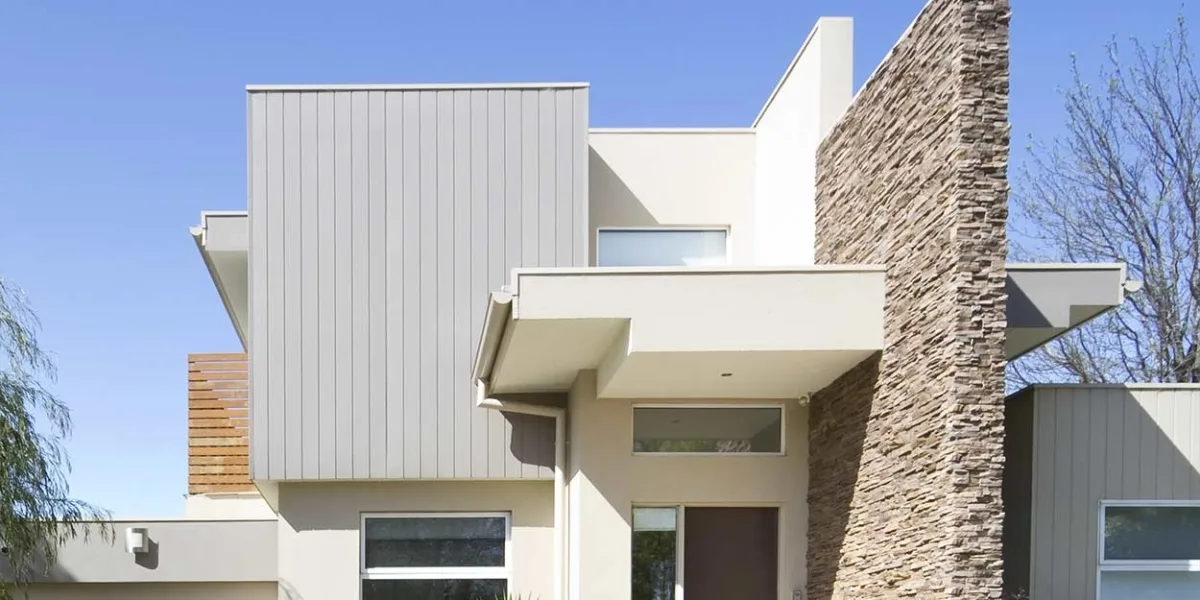
Stone cladding is an excellent way to enhance the appearance, durability, and value of your property. Whether you are building a new home or renovating an existing exterior, choosing the right stone cladding can transform ordinary walls into attractive architectural features. With different stone types, colours, textures, and finishes available, selecting the best option requires careful consideration.
Here are some important factors to consider when choosing stone cladding for exterior walls.
Choose the Right Type of Stone Cladding
The first step is selecting a stone material that suits your property's architectural style and environmental conditions. Some popular options include:
-
Natural Stone Cladding: Offers authentic textures, natural colours, and a timeless appearance. It is ideal for creating elegant exterior walls.
-
Stacked Stone Cladding: Features layers of stones arranged in a natural pattern, creating a beautiful three-dimensional appearance.
-
Stone Veneer: Provides the appearance of natural stone with a relatively lightweight profile, making it suitable for various exterior applications.
-
Limestone Cladding: Offers a sophisticated and elegant finish with soft, natural colours.
-
Sandstone Cladding: Provides warm tones and distinctive textures that complement contemporary and traditional properties.
Consider your design preferences, installation requirements, and budget before selecting a particular stone type.
Consider Your Property's Architectural Style
Your exterior wall cladding should complement the overall design of your property. Modern homes often look attractive with clean-lined stone finishes, neutral colours, and contemporary textures. Traditional homes may benefit from rustic stacked stone, natural sandstone, or textured stone veneer.
Think about how the selected stone will look alongside your roof, windows, doors, landscaping, and other exterior materials. Choosing complementary colours and textures helps create a balanced and visually appealing appearance.
Check Durability and Weather Resistance
Exterior stone cladding must withstand changing weather conditions, including rain, sunlight, temperature fluctuations, and moisture.
Before purchasing, check the stone's durability, water absorption, resistance to weathering, and suitability for outdoor installation. Quality stone cladding can provide long-lasting performance when installed correctly.
It is also important to select materials suitable for your local climate. Proper waterproofing, drainage, and installation techniques help protect exterior walls from moisture-related problems.
Select the Right Colour and Texture
Stone cladding is available in various colours, including grey, beige, cream, brown, charcoal, and natural earth tones.
The right colour can significantly influence the overall appearance of your property. Lighter shades can create a bright and spacious feeling, while darker tones provide a bold and contemporary look.
Texture is equally important. Smooth finishes offer a modern appearance, whereas rough and naturally layered textures create depth and character.
Request stone samples whenever possible to understand how the material looks under natural sunlight.
Consider Installation and Maintenance
Proper installation plays an essential role in the performance and appearance of exterior stone cladding. Always choose suitable installation systems and experienced professionals who understand exterior wall preparation, waterproofing, drainage, and fixing requirements.
Although many stone cladding options require relatively little maintenance, occasional cleaning and inspection can help maintain their appearance.
Follow the manufacturer's recommendations for cleaning, sealing, and long-term maintenance.
Compare Quality and Budget
Stone cladding prices vary depending on the material, thickness, finish, availability, and installation requirements.
Instead of selecting the cheapest option, compare the overall quality, expected lifespan, maintenance requirements, and installation costs. Investing in quality materials can provide better long-term value and reduce future repair expenses.
Conclusion
Choosing the right stone cladding for exterior walls involves balancing appearance, durability, quality, maintenance, and budget. From natural stone and stacked stone to modern stone veneer, the right material can enhance your property's exterior and create a lasting impression.


