
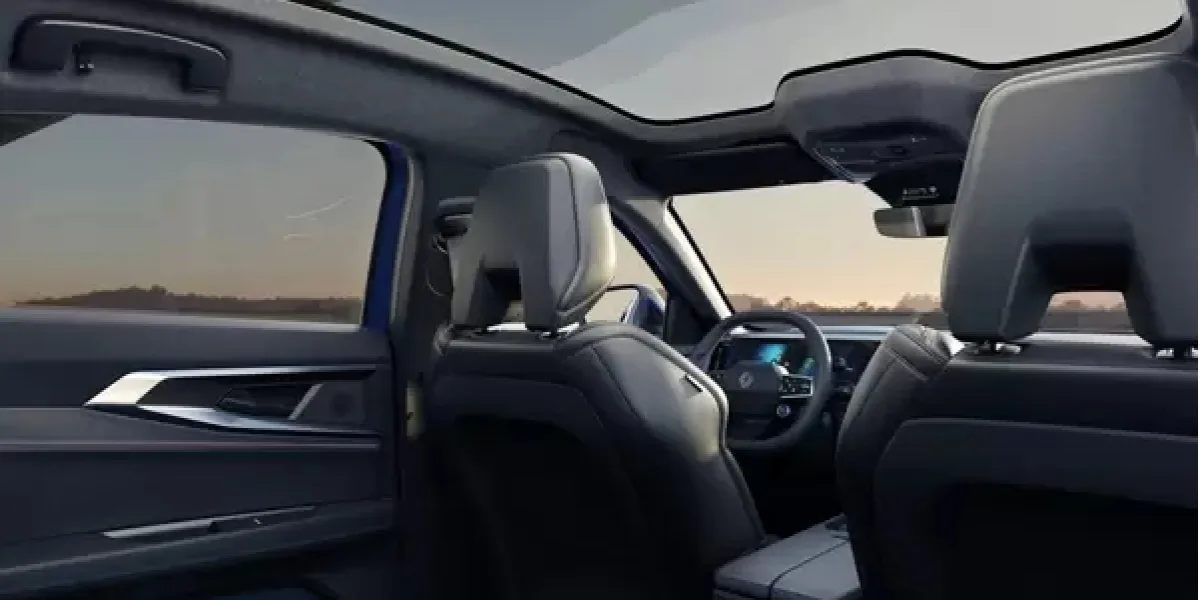
Automotive smart film is changing the way vehicle manufacturers and owners think about privacy, heat control, and glass design. Using switchable PDLC technology, smart film can change between transparent and opaque states, allowing occupants to adjust the appearance and privacy of selected windows without conventional curtains or fixed dark tint.
However, not every window on a vehicle is suitable for the same smart film solution. Windshields, side windows, rear glass, and panoramic roofs have different visibility requirements, temperature conditions, curvature, and installation limitations. Understanding these differences is essential when selecting automotive smart film for OEM projects, aftermarket upgrades, luxury vehicles, or commercial fleets.
How Does Automotive Smart Film Work?
PDLC smart film uses liquid crystal technology to control light transmission and scattering. When electrical power is applied, the liquid crystals align, allowing the film to become transparent. When power is removed, the film scatters light and creates a frosted appearance.
This technology provides on-demand privacy while maintaining the visual openness of glass when transparency is required. Nevertheless, its frosted state is not equivalent to complete blackout, and its transparent state may still have optical characteristics different from ordinary glass.
Window position, glazing construction, light transmission, and operating conditions all influence the final performance of automotive smart film.
Can Smart Film Be Installed on a Windshield?
The windshield is the most challenging application because it directly affects the driver's forward visibility. Although smart film can technically be integrated into windshield glass, its opaque state is unsuitable for normal driving, while residual haze in the transparent state may affect visual clarity.
Modern windshields also incorporate advanced driver assistance cameras, rain sensors, heating elements, and head-up display systems. Adding a switchable layer without considering these components can interfere with sensor performance, image projection, or optical calibration.
For most vehicles, conventional heat-control solutions remain more practical for windshields. Any switchable windshield concept should be evaluated with the glazing manufacturer, sensor suppliers, and relevant certification specialists before development.
Are Front Side Windows Suitable for Smart Film?
Front side windows offer a more practical application, provided the film meets local visibility and light-transmission regulations. Drivers need clear outward visibility, but passengers may also want additional privacy when parked or during certain situations.
High-transmission white or light-grey smart film can provide a balance between transparency and privacy. Self-adhesive film is suitable for retrofitting existing door glass, while laminated smart film is more appropriate for new vehicle glazing projects requiring integrated construction.
Nighttime visibility should also be evaluated. Buyers should test the film under different lighting conditions to ensure that reflections, haze, and light scattering do not compromise driving comfort or safety.
Where Does Automotive Smart Film Provide the Best Privacy?
Rear side windows are among the most suitable applications for automotive smart film. Since they are less restricted by direct driver sightline requirements in many markets, they provide more flexibility in selecting film colors and optical characteristics.
Dark-grey or black smart film is particularly useful for luxury vehicles, executive transportation, chauffeur services, and passenger vehicles requiring enhanced privacy. Unlike permanent dark tint, switchable film can return to a transparent state when passengers want more natural light or an open cabin feeling.
For fleet operators, taxis, and shuttle vehicles, consistent performance, cleaning requirements, reliability, and batch quality are often more important than decorative customization.
Can Smart Film Be Used on the Rear Windshield?
Rear windshields can also benefit from switchable privacy technology, especially on SUVs, vans, and estate vehicles with large rear glass areas. However, rear glazing often includes defroster lines, antennas, curved surfaces, and wiper systems.
The smart film installation must avoid interfering with heating circuits and other functional components. Curvature also affects film fitment, edge finishing, and optical uniformity.
Self-adhesive smart film can be suitable for retrofit projects, while laminated smart film offers a more integrated solution for new vehicle platforms. The finished assembly should be tested to confirm usable rear visibility and compatibility with existing equipment.
Why Panoramic Roofs Are a Major Smart Film Application
Panoramic roofs are one of the most promising applications for automotive smart film.
Large glass roofs provide an open, premium cabin experience but also expose occupants to direct sunlight, glare, and substantial solar heat. Smart film allows passengers to adjust the roof's transparency according to weather, lighting conditions, and personal preference.
Unlike mechanical sunshades, switchable film has no moving shade assembly, helping maintain a clean interior design. It can also be customized with etched patterns, gradients, or decorative zones.
Because panoramic roofs experience significant temperature fluctuations, automotive-grade wide-temperature smart film should be evaluated for switching stability, durability, and performance during both cold starts and high-temperature exposure.
Self-Adhesive vs. Laminated Smart Film
The construction method depends largely on whether the project involves an existing vehicle or new glass manufacturing.
-
Self-adhesive smart film: Applied to existing glass, making it suitable for aftermarket modifications, retrofits, and fleet upgrades.
-
Laminated smart film: Integrated into the glass interlayer during manufacturing, providing a protected construction suitable for OEM projects and new vehicle glazing.
Choosing the right construction requires considering glass curvature, installation conditions, expected service life, environmental exposure, and optical requirements.
What Buyers Should Check Before Ordering
Before selecting automotive smart film, buyers should evaluate several key specifications:
-
Visible light transmission and haze in both transparent and opaque states.
-
Temperature resistance and switching performance under automotive conditions.
-
Compatibility with curved glass, heating elements, cameras, and sensors.
-
Electrical requirements, controller compatibility, and power-off behavior.
-
Edge sealing, installation quality, and long-term durability.
-
Finished-assembly testing rather than relying exclusively on film-level data.
For automotive projects, validation on production-representative glass is especially important because the interlayer, curvature, adhesives, and additional components can influence final performance.
Conclusion
Automotive smart film is not equally suitable for every window. Rear side windows and panoramic roofs offer strong opportunities for privacy and comfort applications, while front side windows require careful attention to visibility regulations. Rear windshields need additional consideration for curvature, defrosters, and usable visibility, and conventional windshields remain the most challenging position.
By matching smart film construction, color, temperature rating, and control system to each window's function, manufacturers and vehicle owners can achieve more practical results. For projects involving OEM integration, aftermarket upgrades, or customized automotive glazing, exploring the automotive smart film solutions from Shuifa Singyes is a useful starting point for evaluating suitable products and technical requirements.


