A healthy bite depends on the correct relationship between the upper jaw, lower jaw, and teeth. When these structures do not develop in harmony, a person may experience difficulty chewing, uneven tooth contact, facial imbalance, or problems with jaw movement. In more complex cases, orthodontic treatment alone may not correct the underlying issue. This is when Jaw Surgery in Islamabad may become a treatment option after a detailed assessment by qualified specialists.
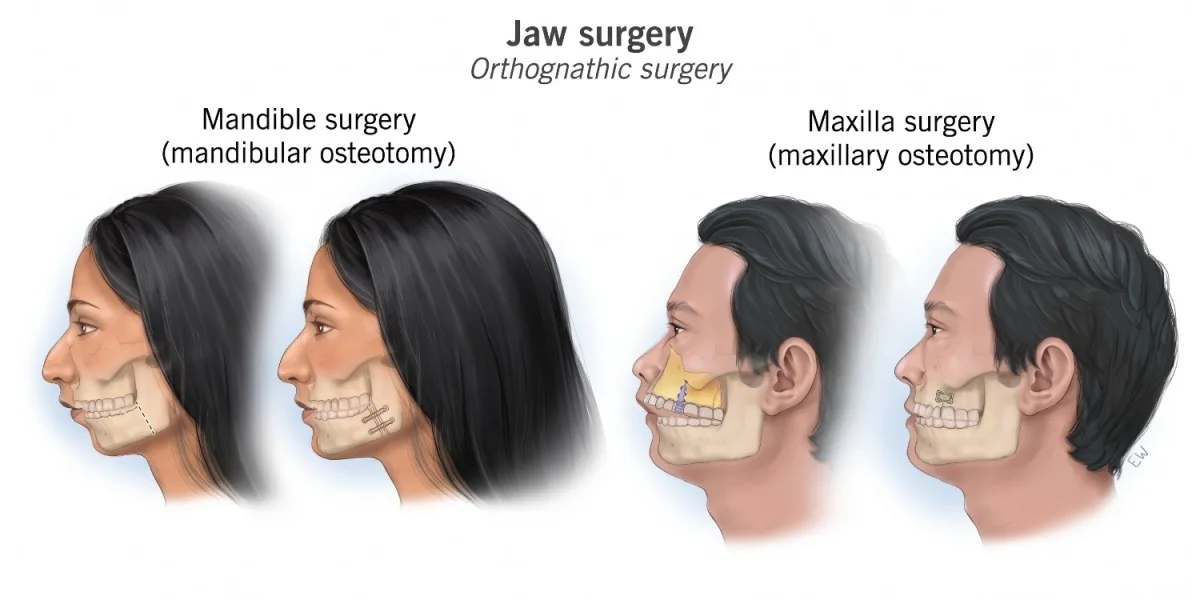
Jaw surgery, medically known as orthognathic surgery, involves changing the position of one or both jawbones. The purpose is to correct skeletal discrepancies that affect the bite and, in selected cases, facial function or appearance. Treatment is usually planned jointly by an oral and maxillofacial surgeon and an orthodontist.
The process involves several stages, from identifying the source of the problem to preparing the teeth, performing the operation, and monitoring recovery. Understanding these stages helps patients approach treatment with realistic expectations.
Why Does Jaw Misalignment Develop?
Jaw misalignment can have several causes. Some people are born with differences in jaw size or position, while others develop noticeable discrepancies as their facial bones grow.
Common contributing factors include:
Genetic and Developmental Factors
Jaw growth is influenced by inherited characteristics. A person may develop a lower jaw that grows more prominently than the upper jaw, or an upper jaw that remains relatively small. These differences can affect the way the teeth meet.
Childhood Growth Differences
The upper and lower jaws do not always grow at the same rate. When one jaw develops differently from the other, the resulting imbalance may become more noticeable during adolescence.
Facial Trauma
An injury involving the face or jaw can sometimes affect bone structure, especially if the fracture heals in an incorrect position. Severe trauma may also lead to changes in jaw movement or bite alignment.
Congenital Conditions
Certain conditions that affect facial development can influence the size, shape, or position of the jawbones. These cases may require specialised assessment and a coordinated treatment approach.
Previous Dental or Orthodontic Treatment
Some bite problems may become apparent during orthodontic assessment. Although braces can move teeth, they cannot always correct a significant difference between the underlying jawbones.
Identifying the cause is important because treatment should address the actual source of the problem rather than only its visible symptoms.
Dental Problems Associated With Incorrect Jaw Position
Jaw discrepancies can influence several aspects of oral health and daily function. The symptoms vary according to the severity and direction of the misalignment.
Uneven Tooth Contact
When the jaws do not fit together properly, certain teeth may receive more pressure than others. This uneven contact can affect chewing comfort and may contribute to excessive wear on particular teeth.
Open Bite
An open bite occurs when the upper and lower teeth do not meet in a particular area when the mouth closes. Some patients cannot bring their front teeth together, making it difficult to bite foods such as sandwiches or fruit.
Crossbite
A crossbite develops when some upper teeth sit inside the lower teeth instead of outside them. It may involve the front teeth, back teeth, or both. A skeletal crossbite can sometimes indicate a difference in jaw width or position.
Overbite and Underbite
An excessive overbite involves too much vertical overlap of the upper front teeth, while an underbite occurs when the lower front teeth sit ahead of the upper front teeth. Severe skeletal forms may require surgical correction.
Difficulty Chewing
A poor relationship between the jaws can make it difficult to break down food efficiently. Patients may notice that their teeth do not meet evenly or that chewing requires extra effort.
These symptoms do not automatically mean surgery is necessary. A dental and orthodontic examination helps establish whether the problem is dental, skeletal, or a combination of both.
Who May Be a Suitable Candidate?
Jaw surgery is generally considered when a significant skeletal discrepancy affects the bite or another important function and cannot be adequately corrected with orthodontics alone.
Potential candidates may include people with:
-
Severe underbite or overbite caused by jaw position.
-
A pronounced open bite associated with skeletal differences.
-
Significant facial asymmetry involving the jawbones.
-
A recessed or prominent upper or lower jaw.
-
Difficulty chewing because of an abnormal jaw relationship.
-
Selected cases of obstructive sleep apnoea involving jaw position.
-
Jaw abnormalities related to congenital conditions or previous injuries.
Age, general health, bone development, dental condition, and treatment expectations all influence suitability. In many cases, surgeons prefer to wait until facial growth is complete before performing elective corrective jaw surgery. However, the appropriate timing depends on the diagnosis.
How Jaw Surgery Is Planned
Careful planning is essential because even a small change in jaw position can affect the bite, facial proportions, and movement of surrounding structures.
Initial Consultation
The first appointment usually involves discussing the patient's concerns and reviewing their dental and medical history. The specialist may ask about chewing difficulties, previous orthodontic treatment, jaw discomfort, breathing problems, and any facial injury.
The surgeon also examines the facial profile, jaw movement, bite, and dental condition.
Imaging and Digital Assessment
Different imaging methods help specialists understand the position of the jawbones.
-
Panoramic X-rays provide an overview of the teeth and jaw structures.
-
Lateral cephalometric X-rays help assess the relationship between the jaws and facial profile.
-
CBCT scans may provide detailed three-dimensional information when clinically necessary.
-
Digital dental scans or impressions help evaluate the position of individual teeth.
The specialist uses the available information to determine the extent of the skeletal discrepancy and identify important anatomical structures.
Orthodontic Coordination
Orthodontic treatment is often required before surgery. Braces move the teeth into positions that allow the jaws to fit together properly after repositioning.
This preparation may take several months or longer. The orthodontist and surgeon monitor progress and adjust the treatment plan when necessary.
Surgical Simulation
For suitable cases, digital planning can help the surgical team assess the intended jaw movements. The team considers the bite, facial proportions, and stability of the proposed correction before finalising the procedure.
Common Jaw Surgery Techniques
The operation depends on the location of the skeletal problem. Some patients require correction of one jaw, while others need treatment involving both.
Le Fort I Osteotomy
Le Fort I osteotomy is a commonly used procedure for repositioning the upper jaw. It may be recommended when the upper jaw sits too far forward, too far backward, or at an unsuitable vertical level.
The surgeon makes controlled cuts in the upper jaw to move it into the planned position. Plates and screws generally secure the bone during healing.
The procedure may help address selected cases of:
-
Upper jaw deficiency.
-
Excessive upper jaw projection.
-
Skeletal open bite.
-
Vertical jaw discrepancies.
-
Certain forms of facial asymmetry.
Bilateral Sagittal Split Osteotomy
Bilateral sagittal split osteotomy, commonly called BSSO, is used to reposition the lower jaw. It allows the surgeon to move the lower jaw forward or backward according to the treatment plan.
The technique may be suitable for patients with a recessed lower jaw, a prominent lower jaw, or a significant skeletal underbite.
Temporary numbness around the lower lip and chin can occur because sensory nerves travel through the lower jaw. The surgical team explains this risk during the consent process.
Combined Upper and Lower Jaw Surgery
When both jaws contribute to the problem, a combined procedure may provide a more appropriate correction. This approach is often referred to as double jaw surgery.
The surgeon plans the movements of both jaws together to establish a suitable bite and facial relationship. Because it involves more extensive correction, it requires detailed preparation and postoperative monitoring.
Chin Repositioning
Genioplasty changes the position or shape of the chin bone. It may be considered when chin position remains disproportionate after the main jaw correction or when the chin itself is the source of a specific concern.
It is important to distinguish genioplasty from corrective jaw surgery. Genioplasty alone does not correct an underlying bite discrepancy.
What Happens on the Day of Surgery?
Jaw surgery is generally performed under general anaesthesia in a hospital with appropriate surgical facilities.
Before the operation, the healthcare team confirms the treatment plan, reviews relevant medical information, and follows the required anaesthesia and fasting instructions.
The surgeon usually accesses the jawbones through incisions inside the mouth. After making the planned bone cuts, the surgeon repositions the jaw and checks its alignment.
Small plates and screws are commonly used to hold the bones in their new positions. The incisions are then closed, and the patient is transferred to recovery for observation.
The length of the operation varies. A single-jaw procedure may be less extensive than a combined operation involving both jaws.
Recovery and Postoperative Care
Recovery requires patience because the body needs time to heal the repositioned bone and surrounding tissues. Patients should follow their surgeon's instructions rather than comparing their progress with someone who underwent a different procedure.
Managing Swelling and Discomfort
Swelling and bruising are common after surgery. Facial tightness and temporary changes in sensation may also occur.
The surgeon may recommend prescribed pain relief and other medication. Cold compresses may be advised during the early recovery period, depending on the surgical team's instructions.
Patients should contact their healthcare team if swelling becomes rapidly worse, pain is not controlled by prescribed medication, or other concerning symptoms develop.
Maintaining Oral Hygiene
Keeping the mouth clean helps support healing. The surgical team may recommend a specific mouth rinse, gentle brushing techniques, or other cleaning instructions.
Patients should avoid disturbing the surgical wounds. They should also attend scheduled appointments so the surgeon can check the healing process.
Following Dietary Instructions
Chewing may be restricted for a period after surgery. Many patients begin with liquids and progress to smooth or soft foods as healing allows.
Appropriate options may include blended soups, yoghurt, porridge, mashed vegetables, and protein-rich drinks. Food should be prepared according to the texture recommended by the surgeon.
Hard foods, nuts, crusty bread, sticky sweets, and chewy meat should be avoided until the surgical team approves their return.
Returning to Daily Activities
Rest is important during the early recovery period. Patients should avoid strenuous exercise, heavy lifting, and activities that could cause facial injury until they receive medical clearance.
The time needed away from work or education depends on the operation and the patient's recovery. Follow-up appointments help determine when normal activities can resume.
Can Jaw Surgery Change Facial Appearance?
Jaw position contributes to facial proportions, so moving the upper or lower jaw can change the appearance of the profile and lower face.
For example, repositioning a recessed lower jaw may make the chin appear more prominent. Correcting an upper jaw discrepancy may influence the relationship between the nose, upper lip, and lower facial structure.
However, the degree of visible change varies. Surgical planning should prioritise a functional bite and appropriate anatomical relationships rather than promising a particular cosmetic result.
Patients should discuss their expectations with the surgeon before treatment. Digital simulations may help explain the proposed movements, but they cannot guarantee the exact final appearance.
Understanding Jaw Surgery Cost in Islamabad
The total treatment expense depends on the patient's diagnosis, procedure, hospital arrangements, and orthodontic requirements. A patient who needs a single-jaw correction may have different expenses from someone undergoing double jaw surgery.
People researching Jaw Surgery cost should ask for a complete breakdown before scheduling treatment.
Important cost factors include:
Surgical complexity: The number of jaws involved and the extent of bone movement affect the resources required.
Surgeon's professional fee: Specialist qualifications and experience may influence the surgical fee.
Hospital facilities: Operating theatre charges, admission, nursing services, and postoperative observation contribute to the overall amount.
Anaesthesia services: General anaesthesia requires professional monitoring and appropriate equipment.
Diagnostic investigations: Imaging, dental scans, laboratory tests, and other assessments may be charged separately.
Orthodontic treatment: Braces and post-surgical adjustments can represent a substantial part of the complete treatment plan.
Postoperative care: Medicines, follow-up visits, and additional treatment may affect the final budget.
A written estimate should clarify which services are included and whether orthodontic care, hospital admission, and follow-up appointments are covered.
Questions to Ask Before Choosing a Surgeon
A consultation is an opportunity to understand the procedure and assess whether the proposed treatment is suitable.
Patients may find it helpful to ask:
-
What is the exact cause of my jaw misalignment?
-
Can orthodontic treatment alone correct the problem?
-
Which jaw surgery technique do you recommend and why?
-
What changes should I realistically expect?
-
What are the possible complications in my case?
-
How long will orthodontic preparation take?
-
What hospital and anaesthesia arrangements are required?
-
How long will I need to follow a modified diet?
-
What is included in the total treatment estimate?
-
How often will follow-up appointments be required?
A qualified specialist should explain the diagnosis, alternatives, benefits, and risks in understandable language.
Patients seeking general dental information or an initial dental assessment can visit Dental Clinic Islamabad. However, orthognathic surgery should be planned and performed by an appropriately qualified oral and maxillofacial surgeon in a suitable hospital setting, with orthodontic support where required.
Frequently Asked Questions
Is jaw surgery a major operation?
Yes. Corrective jaw surgery involves repositioning the jawbone and is generally performed under general anaesthesia. It requires detailed planning, hospital facilities, and a period of postoperative recovery.
Do all patients need braces before surgery?
No, but presurgical orthodontic treatment is common. The orthodontist determines whether braces or another method is necessary to prepare the teeth for the new jaw position.
Will I have visible scars?
Many orthognathic procedures use incisions inside the mouth, so visible facial scars are generally avoided. The exact approach depends on the operation.
Can I eat normally after jaw surgery?
Patients usually need liquids or soft foods initially. A gradual return to normal eating depends on bone healing and approval from the surgeon.
Is numbness normal after jaw surgery?
Temporary numbness or altered sensation can occur, particularly around the lower lip and chin after lower jaw procedures. Recovery varies, and some sensory changes may persist.
How long will I need orthodontic treatment?
The duration depends on the severity of the bite problem and the amount of tooth movement required. Treatment may continue both before and after surgery.
Is jaw surgery suitable for teenagers?
It may be considered in selected circumstances, but elective corrective surgery is often planned after facial growth is complete. A specialist evaluates the patient's development and individual needs.
Final Thoughts
Jaw surgery is a specialised treatment for significant problems involving the position and relationship of the jawbones. It can help improve bite function and address certain skeletal differences when orthodontic treatment alone is insufficient.
The decision requires a complete clinical assessment, appropriate imaging, and coordination between an oral and maxillofacial surgeon and an orthodontist. Patients should also understand the recovery process, potential complications, and full treatment expenses before proceeding.
Choosing a qualified surgical team and following postoperative instructions are essential parts of achieving a stable and functional result. Every treatment plan should be based on the patient's anatomy, dental condition, general health, and individual needs.