Furnishing an office is one of the bigger one-off costs a growing business faces. Spend too little and you replace chairs within a year. Spend too much and you tie up cash that could fund hiring or marketing. The goal is a budget that matches how your team works and grows.
This guide shows how to plan an office furniture budget, where to spend and where to save, and how to phase purchases.
Key Takeaways
- Build your budget room by room, starting with a list of every item you need.
- Spend more on items used all day, such as chairs and desks, and save on lightly used pieces.
- Plan for growth with modular furniture you can extend later.
- Include delivery, installation and contingency in your budget, not just product prices.
Step 1: List Every Item, Room by Room
Start with an inventory. For each area, list what you need:
- Workstations: desks, chairs, screens, pedestals, cable management
- Meeting rooms: tables, chairs, whiteboards, display stands
- Reception: counter, waiting seating, coffee table
- Pantry: tables, chairs or stools, storage
- Storage: filing cabinets, lockers, shelving
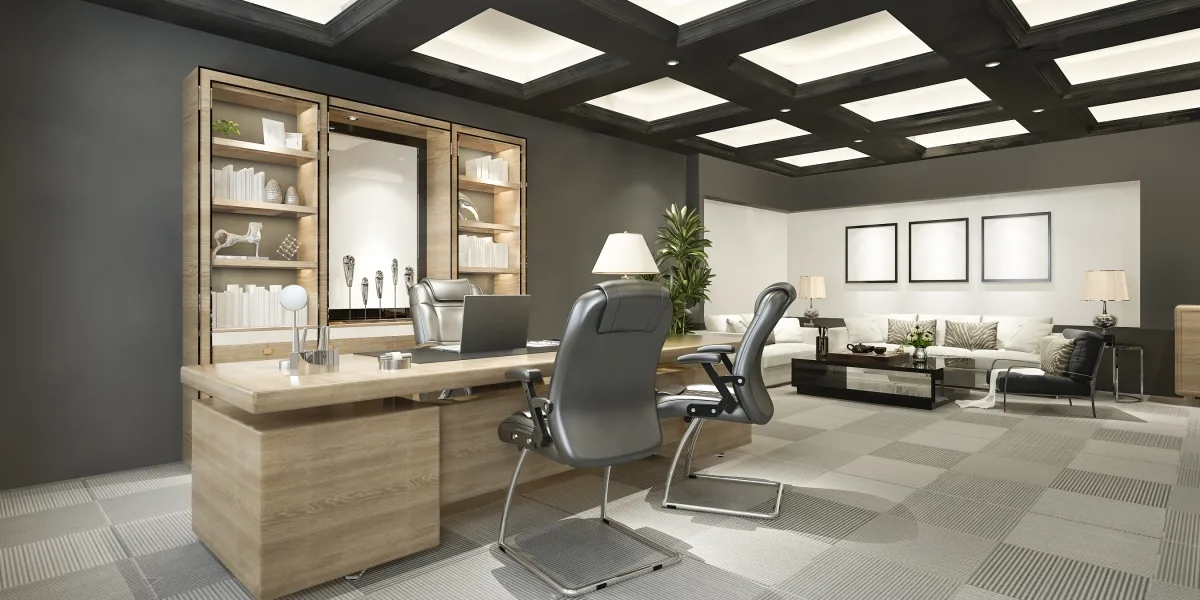
- Management offices: executive desk, chair, visitor chairs, storage
This list becomes the backbone of your budget and makes supplier quotes easy to compare.
Step 2: Prioritise Where Your Money Goes
Not every item deserves the same budget. Rank items by how much they're used and how much they affect comfort and productivity.
Spend more on:
- Task chairs. Staff sit in them all day. Good adjustability and durability pay off.
- Desks. Stable frames and suitable sizes matter, and height-adjustable options add flexibility.
Spend moderately on:
- Meeting tables and chairs. Used regularly but not continuously.
- Storage. Durability matters, but basic designs work fine.
Save on:
- Occasional and pantry furniture. Lightly used, easy to upgrade later.
- Decorative items. Add them once essentials are in place.
Step 3: Plan for Growth
Startups and SMEs often grow faster than expected. Modular workstations and benching systems let you add seats without replacing the whole setup. Ask your supplier whether the range will stay available so you can buy matching pieces later.
Step 4: Decide Between New, Refurbished and Phased Purchases
New Furniture
New furniture gives you full warranties, consistent finishes and the latest ergonomic designs. It's usually the best option for core items like chairs and workstations.
Refurbished or Pre-Owned
Refurbished pieces can lower costs for items like storage cabinets or meeting tables. Check condition carefully and confirm whether any warranty applies.
Phased Purchasing
If cash flow is tight, furnish essential areas first, then add meeting room upgrades, breakout furniture and décor over the following months.
Step 5: Account for the Hidden Costs
Product prices are only part of the total. Include:
- Delivery charges
- Installation and assembly
- Disposal of old furniture
- After-hours or weekend work required by building management
- A contingency of around 10 percent for changes and extras
Ask suppliers for itemised quotes so you can compare like with like.
Step 6: Get Comparable Quotes
Send the same item list to two or three suppliers. Compare not only price but also warranty terms, lead times, installation inclusions and after-sales support. The lowest quote isn't the best value if it excludes installation or carries a short warranty.
When you're ready to buy office furniture Singapore businesses trust, choose a supplier that provides clear itemised pricing, a full range across workstations, seating and storage, and dependable installation.
Check for Government Support
Singapore offers various grants and support schemes for businesses, and eligibility and coverage change over time. Check current schemes on official government portals such as GoBusiness before you buy, rather than assuming furniture costs are covered.
Frequently Asked Questions
How much should a small business budget per workstation?
It depends on the quality tier, desk type and chair. Collect itemised quotes for your specific list rather than relying on general estimates.
Is it better to buy or lease office furniture?
Buying usually costs less over the long term and gives you ownership. Leasing can suit short leases or uncertain growth. Compare the total cost over your expected stay.
What should I buy first if my budget is limited?
Prioritise ergonomic chairs and suitable desks for every staff member, then add meeting, pantry and décor items in later phases.