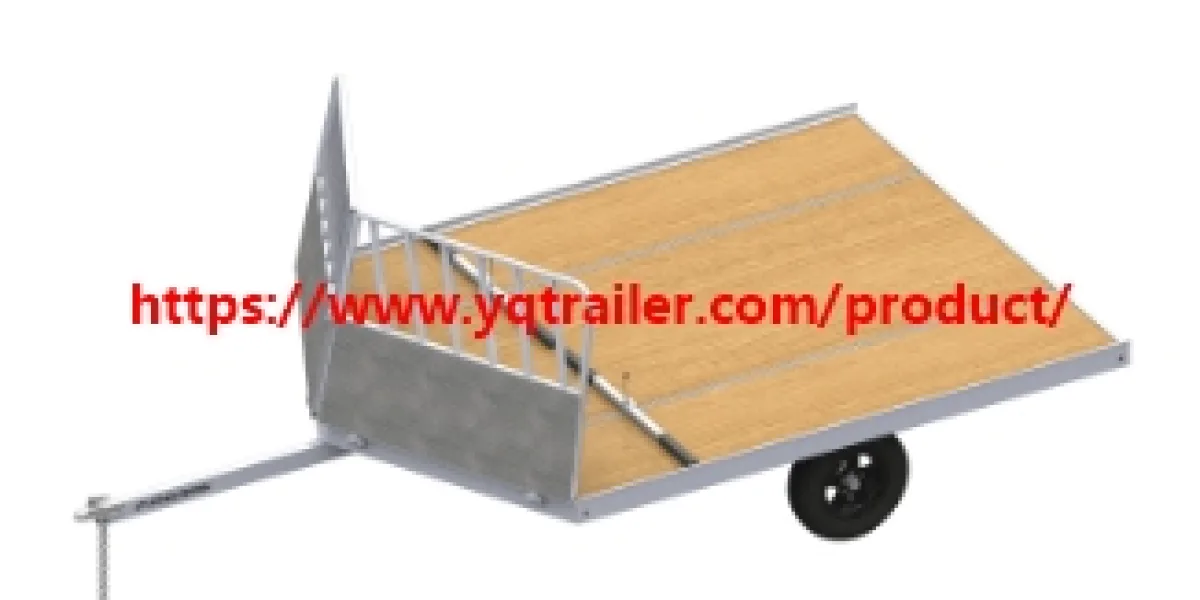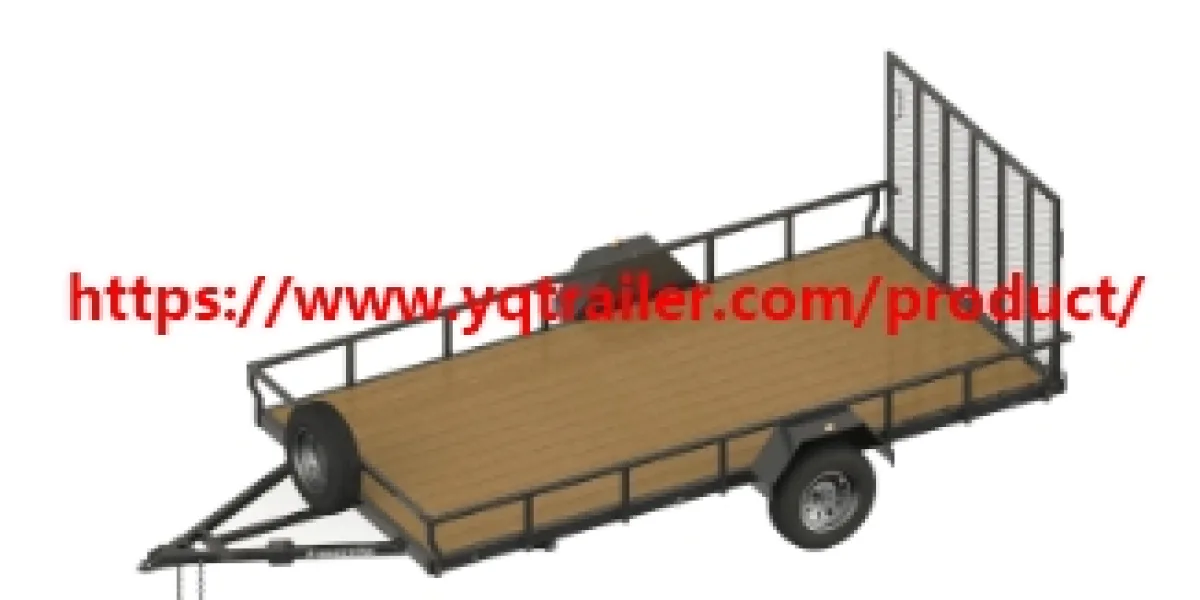
Custom Trailer purchasing begins with a clear understanding of the work the product needs to perform. For importers, distributors, wholesalers, and commercial buyers, selecting a suitable model involves more than comparing product photographs or quoted prices. Cargo dimensions, expected weight, loading methods, road conditions, and destination-market requirements all influence the final configuration. Preparing these details before contacting a manufacturer can make discussions more productive and help prevent unnecessary changes after production has started.
Define the Intended Application
The first step is to identify how the product will be used. A unit designed for household transportation may have different requirements from one intended for construction equipment, agricultural materials, vehicles, or commercial deliveries.
Buyers should prepare a practical description of their daily transportation tasks. Consider the following questions:
What type of cargo will be carried?
How frequently will the product be used?
Will the cargo be loose, packaged, oversized, or unusually shaped?
Where will loading and unloading take place?
Will it travel mainly on public roads or within private working areas?
These details help the factory understand the actual application instead of relying on general descriptions. They also provide a useful starting point for discussing dimensions, body arrangements, and optional components.
Review Dimensions, Payload, and Weight Ratings
Size and capacity should be evaluated together. A larger deck may provide additional loading space, but it does not automatically make a product suitable for every transportation task.
Buyers should check the deck length, width, side height, overall dimensions, gross vehicle weight rating, and payload capacity. It is also important to consider the towing vehicle and its permitted towing limits. The complete towing combination must comply with applicable requirements in the destination market.
For wholesale orders, specifications should be recorded in a clear document. This allows purchasing teams to compare different configurations and gives production staff a consistent reference during manufacturing.
Examine the Frame and Structural Arrangement
The frame supports the main structure and plays an important role in how loads are distributed. Buyers should ask about the material specification, frame dimensions, cross-member arrangement, welding process, and reinforcement locations.
The body design also deserves attention. Open decks may suit certain equipment or general cargo applications, while mesh sides, solid panels, or enclosed structures may be more appropriate for other transportation tasks.
Rather than requesting additional steel or reinforcement without a clear reason, buyers should explain the expected working conditions. The manufacturer can then discuss which structural adjustments are relevant to the intended application.
Check Axles, Brakes, Tires, and Connection Components
Running gear affects towing compatibility and operating safety. Before confirming an order, buyers should review the axle arrangement, suspension type, tire specifications, wheel configuration, coupling, and braking system.
Brake requirements can vary according to the product rating and local regulations. Buyers should therefore confirm the applicable rules instead of assuming that one configuration will suit every market.
Other details deserve attention as well. Safety chains, lighting, fenders, support jacks, and reflectors should be included in the technical discussion where relevant. Each component needs to match the intended configuration.
Consider Loading Access and Optional Features
A product can have suitable dimensions but still be inconvenient if its loading arrangement does not match the cargo. Buyers should consider whether ramps, tailgates, side access, tie-down points, or additional storage are needed.
For example, machinery transportation may require a practical loading angle and suitable restraint positions. General cargo applications may benefit from side panels or a cover arrangement. Businesses carrying different products may also need a flexible configuration.
Optional features should be selected according to actual operating tasks. Discussing each requested addition with the manufacturer helps clarify its function, compatibility, and effect on the overall design.
Ask About Production and Quality Inspection
A clear manufacturing process helps buyers understand how approved specifications are translated into finished products. Before placing a bulk order, ask how drawings are reviewed, how material requirements are confirmed, and how production changes are communicated.
Inspection arrangements should also be discussed. Relevant checkpoints may include material verification, frame alignment, welding appearance, component installation, lighting connections, braking functions, and final dimensional checks.
Buyers can request available inspection records, product photographs, or sample information where appropriate. The purpose is to establish clear acceptance requirements before manufacturing begins, rather than trying to resolve specification differences after shipment.
Confirm Packaging, Delivery, and After-Sales Communication
International purchasing involves several steps beyond production. Buyers should confirm packaging methods, loading arrangements, shipping terms, estimated lead times, documentation, and responsibilities for transportation coordination.
It is also useful to establish a contact process for questions about installation, maintenance, replacement components, or future orders. For distributors, consistent communication can make it easier to manage customer inquiries and plan inventory.At yqtrailer, buyers can discuss product configurations and manufacturing requirements according to their intended applications. Providing cargo details, target dimensions, preferred accessories, and destination-market information gives the production team a clearer basis for evaluating a project. Before confirming an order, review the approved specifications and delivery arrangements together. Businesses planning their next sourcing project can visit https://www.yqtrailer.com/product/ to review available product categories and discuss suitable configurations with the manufacturer.