
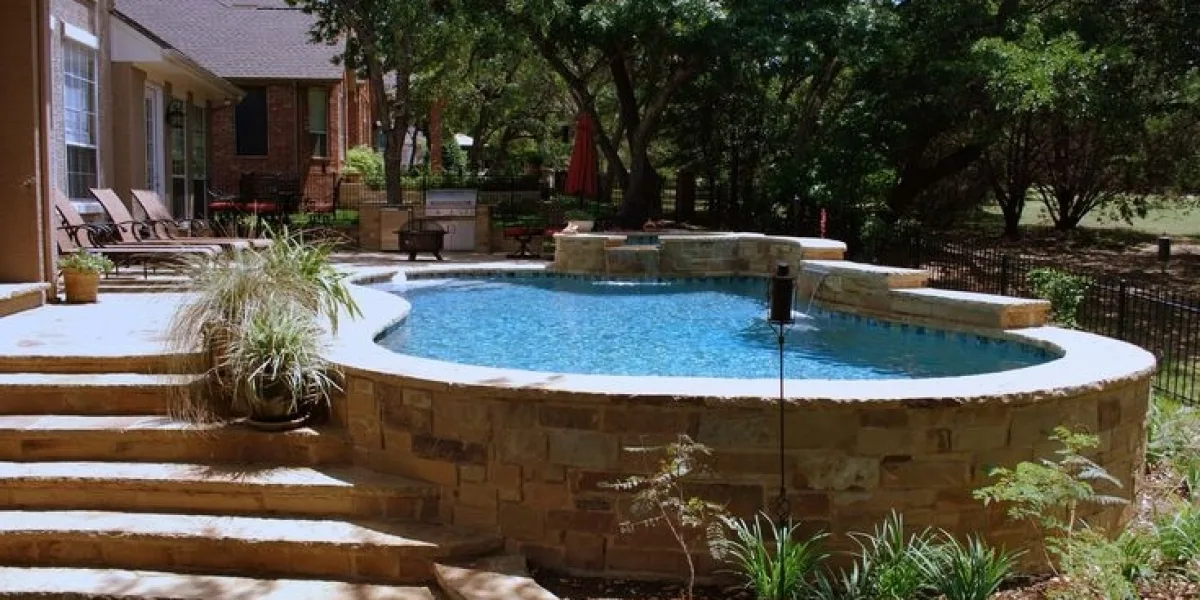
A swimming pool is a long-term property feature that requires regular care to maintain its appearance, water quality, and structural condition. Maintenance requirements depend on the pool's dimensions, construction materials, equipment, surrounding landscape, and frequency of use. These factors should be considered during Custom Pool Construction because maintenance access and equipment placement can influence how easily the pool can be managed after installation.
A properly maintained swimming pool can provide years of use while reducing the likelihood of avoidable equipment failures and surface deterioration. Understanding the main maintenance requirements helps property owners establish a practical care routine.
Understanding the Maintenance Needs of Custom Pools
Custom swimming pools may include different shapes, depths, finishes, and additional features. Each design can create specific maintenance requirements.
For example, pools with decorative water features may require additional cleaning, while larger swimming areas may need more filtration capacity.
Creating a Maintenance Schedule
A maintenance schedule helps organize routine cleaning, water testing, and equipment inspections.
Tasks can be divided into daily, weekly, monthly, and seasonal activities according to the pool's operating requirements.
Regular maintenance is generally easier than waiting until visible problems develop.
Maintaining Proper Water Chemistry
Water chemistry is essential for maintaining suitable swimming conditions and protecting pool surfaces and equipment.
Important measurements include pH, sanitizer concentration, and total alkalinity. Other parameters may also need monitoring depending on the treatment system.
Monitoring pH Levels
pH affects water comfort and the performance of many sanitizing products.
Water that is too acidic may contribute to corrosion, while excessively high pH can encourage scale formation and reduce sanitizer effectiveness.
Testing should follow suitable procedures and product recommendations.
Managing Sanitizer Levels
Chlorine and other approved disinfection methods help control harmful microorganisms.
The appropriate treatment method depends on the pool system and applicable health guidance.
Sanitizer levels should be monitored regularly, especially during periods of heavy swimming activity or high temperatures.
Cleaning Pool Surfaces and Interior Finishes
Pool walls, floors, and waterlines can accumulate dirt, mineral deposits, and organic material.
Regular brushing and vacuuming help remove debris before it becomes difficult to clean.
The cleaning equipment should be compatible with the pool's interior finish to avoid scratching or damaging the surface.
Caring for Different Finishing Materials
Porcelain and glass mosaic tiles require attention to grout lines and surface deposits.
Specialized pool plaster may need different cleaning procedures depending on its composition and condition.
Harsh chemicals or unsuitable cleaning tools should be avoided because they can damage protective finishes.
Maintaining Pumps and Filtration Equipment
Pumps and filters are essential components of the circulation system. They move water through treatment equipment and return it to the swimming area.
Pump baskets should be checked regularly for leaves and other debris.
Filters require cleaning according to their type and operating pressure. Sand filters may need backwashing, while cartridge filters require periodic removal and cleaning.
Identifying Equipment Problems
Unusual noises, reduced water flow, unexpected pressure changes, and visible leaks may indicate equipment problems.
These symptoms should be investigated rather than ignored.
Regular inspection of valves, fittings, and electrical connections can also help identify developing issues.
Inspecting Waterproofing and Structural Components
The structural shell and waterproofing system should be inspected periodically.
Visible cracks, loose tiles, deteriorating grout, and unusual water loss may indicate problems that require further assessment.
Not every crack indicates structural failure, but changes should be evaluated by an appropriate professional.
Construction joints and pipe penetrations deserve particular attention because they are potential leakage locations.
Managing Pool Decks and Surrounding Areas
The area surrounding a swimming pool also requires maintenance. Deck surfaces should remain clean and provide suitable traction.
Drainage channels should be kept clear so rainfall and cleaning water can move away from the pool.
Plants should be maintained to prevent excessive leaves and other debris from entering the swimming area.
Seasonal Pool Maintenance
Maintenance requirements may change according to weather and swimming frequency.
During hot weather, evaporation and chemical consumption may increase. Cooler periods may require adjustments to heating and circulation schedules.
In areas experiencing freezing temperatures, plumbing and equipment may require winter protection according to manufacturer instructions.
Planning Maintenance During Initial Construction
Maintenance should influence the original pool design. Pumps, filters, valves, and electrical components need accessible locations.
Sufficient working space around equipment makes cleaning and repairs easier.
A properly organized Custom Pool Builder project should also include documentation about installed materials, equipment specifications, and recommended servicing procedures.
Conclusion
Long-term performance depends on more than the initial installation. Successful hillside Pool builder Construction combines appropriate materials, reliable circulation equipment, waterproofing, and accessible maintenance arrangements. Regular water testing, surface cleaning, and equipment inspections help preserve the pool's condition. Planning these requirements from the beginning allows Custom-Built Swimming Pools to remain practical and functional throughout their service life.


