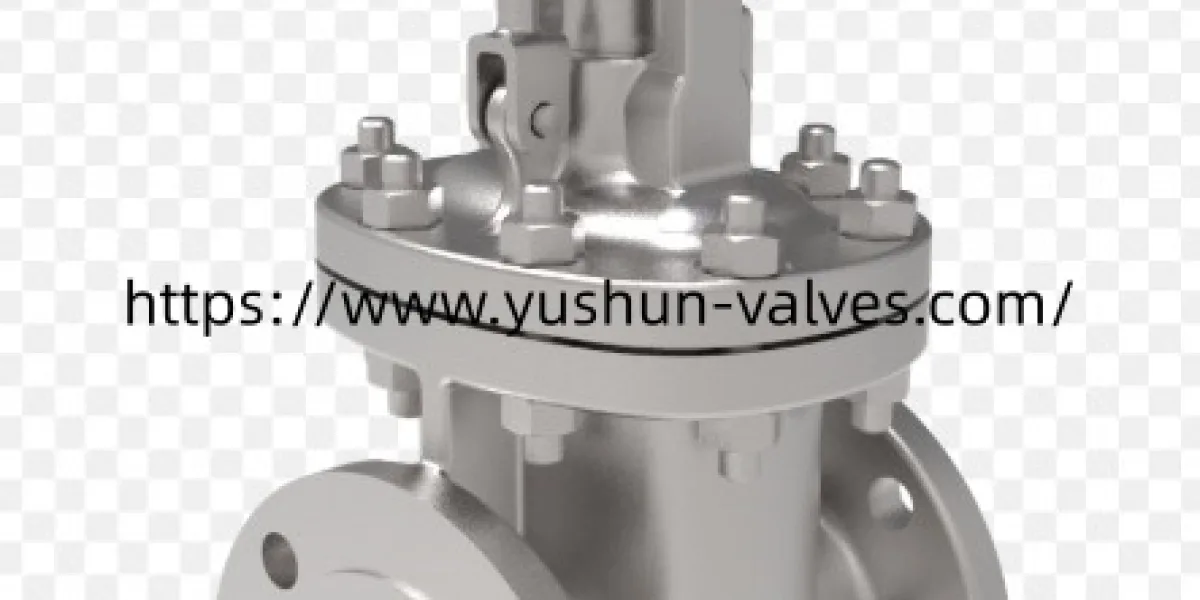
Floating ball valves are widely used in industrial pipeline systems because their relatively simple construction supports effective fluid isolation and practical installation. When evaluating a Floating Ball Valve Factory, buyers should understand how the ball, seats, stem, and valve body work together rather than focusing only on the external product design. The floating structure creates a particular sealing mechanism that influences material selection, operating behavior, and application suitability. These characteristics make the valve relevant to various industrial processes where dependable shutoff and straightforward operation are important.
The valve body provides the main enclosure for the internal components and must be compatible with the fluid and surrounding environment. Stainless steel is frequently selected for applications where corrosion resistance and material stability are important. Carbon steel can be suitable for industrial systems that prioritize structural strength and compatibility with the process medium. Other materials may be considered for specialized applications involving particular chemical or environmental conditions. The selection should account for the complete assembly rather than the body alone, because internal seats, seals, and stem materials also influence the valve's service behavior.
One distinctive feature of a floating ball valve is the way its ball is supported. Unlike a trunnion-mounted design, the ball is not fixed by additional mechanical supports at its upper and lower positions. Instead, it is held between the valve seats and can move slightly under fluid pressure. As pressure acts on the ball, it is pushed toward the downstream seat, helping create a tight sealing contact. This arrangement gives the floating design a relatively straightforward structure and makes it suitable for many general-purpose isolation applications.
The interaction between the ball and the seats is central to sealing performance. The ball surface needs to maintain suitable contact with the seating components while allowing smooth rotation during operation. Seat materials must therefore be selected according to the transported medium, operating environment, and expected service conditions. Polymer-based seats are used in many general applications, while other seating solutions may be considered when process conditions require different material characteristics. Buyers should discuss compatibility with the manufacturer instead of assuming that one seat material is appropriate for every fluid.
Selecting a suitable valve begins with understanding the pipeline's actual purpose. Some systems require routine isolation during equipment inspection, while others use valves to separate process sections or control the movement of fluids between connected units. The nature of the medium is equally important. Clean water, industrial gases, oils, and chemical fluids may create different demands for body materials and sealing components. Installation conditions, operating frequency, connection arrangements, and available maintenance access should also be reviewed before a purchasing decision is made.
The operating mechanism contributes to how the valve fits into a wider control system. A manual handle offers a direct way for personnel to operate an accessible valve. Gear arrangements can support operation where additional mechanical assistance is useful, while electric or pneumatic actuators allow integration with automated equipment. The choice should reflect the control requirements of the facility, the available power or air supply, and the way operators interact with the pipeline. Compatibility between the actuator and valve assembly should be confirmed during the technical discussion.
Floating ball valves are used in applications such as water treatment, chemical processing, HVAC systems, oil and gas distribution, and general industrial fluid handling. However, their suitability depends on the specific service conditions. The floating mechanism relies on pressure-assisted contact between the ball and downstream seat, so engineers should assess whether the design matches the intended operating environment. For applications involving demanding loads or specialized process requirements, other ball valve structures may be more appropriate. Comparing alternative designs helps prevent selecting a product simply because it belongs to a familiar valve category.
Manufacturing quality is reflected in the relationship between the ball surface, seat geometry, stem assembly, and body machining. Accurate component processing supports consistent assembly and helps the ball rotate as intended. Surface condition is also relevant because scratches, contamination, or irregular contact areas may affect sealing behavior. Inspection should therefore consider both individual components and the assembled valve. Testing procedures can provide further evidence that the product meets the requirements established for its intended application.
The external design also influences installation and practical use. A compact body can be beneficial in pipeline layouts where available space is limited, while clearly arranged operating components make the valve easier to access. Surface finishing and protective treatments should be appropriate for the environment in which the product will be installed. Connection design must also correspond with the surrounding pipeline arrangement to support proper integration. For equipment manufacturers, a consistent valve design can make it easier to incorporate the product into packaged systems and industrial assemblies.
Zhejiang Yushun Valve Co., Ltd. provides industrial ball valve solutions, including floating ball valve products made with different material options for various fluid control applications. Its product range includes stainless steel and cast steel floating ball valve designs, serving industries such as petrochemical processing, energy, environmental protection, and water treatment. Buyers can discuss the intended medium, sealing requirements, connection arrangement, and operating method with the company when evaluating a suitable solution. Further product information is available at https://www.yushun-valves.com/product