
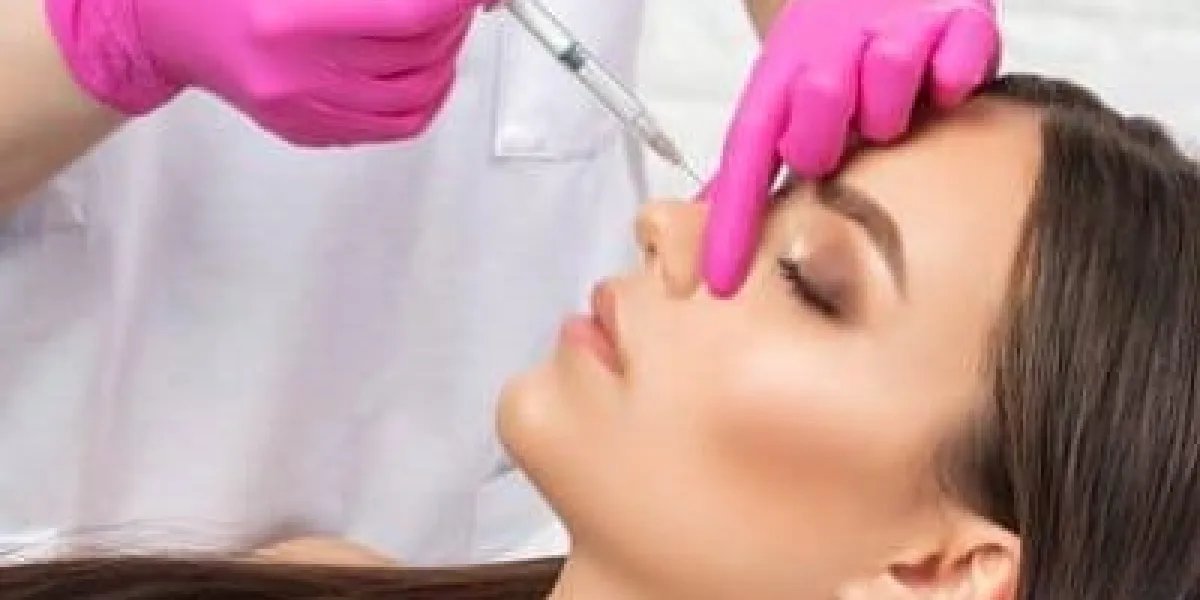
Rhinoplasty is a surgical procedure that reshapes the nose to improve its appearance, correct structural concerns, or address breathing difficulties. Although much attention is often given to the surgery itself, the recovery period is equally important. Proper preparation, following postoperative instructions, and maintaining healthy habits can make the healing process more comfortable and help support satisfactory results.
Individuals considering Rhinoplasty Surgery in Oman should understand that successful recovery begins well before the procedure. Preparing the home environment, arranging assistance, understanding temporary restrictions, and following medical advice can help reduce unnecessary stress during healing. Every patient's experience is different, and recovery depends on the surgical technique, individual health, and the body's natural healing response.
Knowing what to expect before and after surgery allows patients to approach the experience with realistic expectations. With proper planning and consistent aftercare, the recovery process can become more manageable while supporting long-term surgical outcomes.
1. Understand the Rhinoplasty Recovery Process Before Surgery
Before undergoing rhinoplasty, patients should become familiar with the different stages of recovery. Although the procedure may take only a few hours, the healing process continues over several months.
Immediately after surgery, patients may experience swelling, bruising, nasal congestion, and mild discomfort. These symptoms are generally part of the body's normal healing response.
During the first week, swelling and bruising may be more noticeable. A protective splint is often placed over the nose to support the healing structures. Some patients may also have internal nasal splints or dressings, depending on the surgical technique.
As the initial swelling gradually decreases, the nose begins to reveal its new shape. However, internal tissues continue healing even after visible bruising has improved.
Understanding these stages helps patients avoid unnecessary concerns when the nose does not immediately look like the expected final result.
Important recovery expectations include:
-
Initial swelling and bruising generally improve during the first few weeks.
-
Nasal congestion may temporarily affect breathing.
-
Most patients gradually return to regular daily activities as healing progresses.
-
Strenuous exercise and activities that risk nasal injury should be avoided until medically cleared.
-
Subtle swelling can remain for several months.
-
Final results may take approximately 12 months or longer to become fully visible.
Having realistic expectations is essential because rhinoplasty recovery is a gradual process rather than an immediate transformation.
2. Prepare the Body Before Rhinoplasty Surgery
Preparing the body before surgery can help create better conditions for healing. Patients should discuss their health history, existing medical conditions, allergies, and current medications during the preoperative consultation.
A thorough medical assessment allows the surgical team to identify potential risks and provide suitable instructions before the procedure.
Follow Medication Instructions
Certain medications and supplements can increase bleeding risks or interfere with anaesthesia. Patients should provide a complete list of prescription medications, over-the-counter products, vitamins, and herbal supplements.
Blood-thinning medications, anti-inflammatory drugs, and certain supplements may require adjustment before surgery. However, patients should never stop prescribed medication without approval from the healthcare professional responsible for their care.
Avoid Smoking and Nicotine
Smoking and nicotine products can reduce blood circulation and interfere with tissue healing. They may also increase the risk of complications following surgery.
Patients are generally advised to stop smoking and avoid nicotine products well before surgery and throughout the recovery period. The appropriate timeline should be discussed with the surgical team.
Maintain a Balanced Diet
Good nutrition supports the body's natural healing processes. A balanced diet containing protein, vitamins, minerals, fruits, and vegetables can help provide essential nutrients during recovery.
Protein is particularly important because it supports tissue repair. Adequate hydration is also beneficial for maintaining normal bodily functions.
Get Enough Rest
A consistent sleep routine can help patients feel physically prepared for surgery. Getting sufficient rest before the procedure also makes it easier to manage the initial recovery period.
Patients should avoid unnecessary physical exhaustion and follow any specific fasting instructions provided before anaesthesia.
3. Organise the Home Environment for a Comfortable Recovery
Preparing the home before rhinoplasty can make the first few days after surgery much easier. Since patients may experience temporary discomfort, congestion, and limited physical activity, a clean and organised recovery space is helpful.
A comfortable resting area should be prepared in advance. Ideally, it should include supportive pillows, easy access to water, prescribed medications, tissues, and other essential items.
Keep the Head Elevated
Sleeping with the head elevated is commonly recommended after rhinoplasty because it may help reduce swelling and discomfort.
Patients can prepare additional pillows or a supportive reclining arrangement to maintain a comfortable elevated position. Sleeping on the back is generally preferred during the early recovery period because pressure on the nose should be avoided.
Prepare Essential Supplies
Having necessary items within reach reduces the need for frequent movement.
Useful recovery supplies may include:
-
Clean tissues or soft gauze, as recommended.
-
Prescribed medications and a written medication schedule.
-
Comfortable clothing that opens at the front.
-
Extra pillows for head elevation.
-
Drinking water and nutritious snacks.
-
Saline nasal spray, if recommended.
-
A cool compress for the surrounding facial area, used only according to medical instructions.
Patients should avoid placing ice directly on the nose unless specifically instructed by their surgical team.
Arrange Help During the First Few Days
After surgery, patients may feel tired because of anaesthesia and the body's initial healing response. Having a family member or trusted person available can make everyday activities easier.
Assistance may be particularly useful for transportation, preparing meals, collecting medications, and attending follow-up appointments.
Patients should also arrange transportation home because driving immediately after anaesthesia is unsafe.
4. Follow Essential Postoperative Care Instructions
Following postoperative instructions is one of the most important parts of rhinoplasty recovery. Even when the procedure is completed successfully, improper aftercare can interfere with healing or increase the risk of complications.
Patients should follow their individual recovery plan rather than relying entirely on general advice.
Protect the Nose from Accidental Pressure
The nose remains delicate during the early healing period. Patients should avoid touching, rubbing, pressing, or manipulating the surgical area.
Wearing clothing that requires pulling over the head may accidentally disturb the nose. Front-opening shirts and comfortable outfits are generally more convenient.
Glasses may also place pressure on the healing nasal structures. Patients should ask when it is safe to wear regular glasses and whether alternative support arrangements are needed.
Avoid Blowing the Nose
Blowing the nose can create pressure that interferes with healing. Patients should avoid doing so until they receive medical clearance.
Sneezing with the mouth open may help reduce pressure on the nasal structures. Any nasal cleaning should be performed only according to the recommended instructions.
Keep the Surgical Area Clean
Proper hygiene helps reduce the risk of infection. Patients should follow instructions about cleaning the skin, managing dressings, and caring for any external incisions.
They should avoid applying makeup, creams, or cosmetic products near the surgical area until it is safe to do so.
Attend Follow-Up Appointments
Scheduled follow-up visits allow the surgical team to monitor swelling, examine healing tissues, and identify potential concerns.
Patients should not remove splints, internal supports, or dressings themselves unless specifically instructed.
Regular monitoring helps ensure that recovery is progressing appropriately.
5. Manage Swelling, Bruising, and Daily Activities During Recovery
Swelling and bruising are common after rhinoplasty. Their severity depends on the extent of surgery, individual healing characteristics, and whether the nasal bones were adjusted.
Although these effects can temporarily change the appearance of the face, they generally improve gradually.
Managing Swelling
Keeping the head elevated, getting adequate rest, and following postoperative instructions can help manage swelling.
Patients should avoid excessive physical activity during the initial recovery period because increased blood pressure may contribute to swelling or bleeding.
Cold compresses may be recommended around the eyes and cheeks, but they should never place pressure on the nose.
Returning to Normal Activities
A gradual return to everyday activities is generally recommended.
Light walking may help maintain circulation once the patient feels comfortable and receives appropriate clearance. However, strenuous exercise, heavy lifting, bending, and activities that could cause facial injury should be avoided during the recommended recovery period.
Contact sports and other activities with a risk of accidental impact may require a longer break.
Maintain Healthy Eating and Hydration
Nutritious meals and sufficient water can support general recovery. Patients should choose balanced foods that are easy to prepare and consume, particularly during the first few days.
Limiting excessive salt intake may also help reduce fluid retention in some individuals.
Be Patient with Cosmetic Changes
One of the most important aspects of rhinoplasty recovery is understanding that the nose changes gradually.
Initial swelling can make the nose appear wider, uneven, or different from the expected result. This does not necessarily indicate a surgical problem.
The nasal tip may take longer to settle than other areas because of its tissue structure and the nature of postoperative swelling.
Patients should allow sufficient healing time before judging the final appearance.
6. Recognise Warning Signs and Support Long-Term Results
Although most patients experience a gradual recovery, it is important to recognise symptoms that may require medical attention.
Mild swelling, temporary congestion, and some bruising are generally expected. However, certain symptoms should not be ignored.
Patients should promptly contact their surgical team if they experience:
-
Heavy or persistent bleeding.
-
Fever or increasing redness around the surgical area.
-
Severe or worsening pain that does not improve with prescribed medication.
-
Unusual discharge or signs of infection.
-
Sudden or significant changes in nasal appearance.
-
Difficulty breathing that is severe or worsening.
-
Vision changes or significant eye-related symptoms.
Severe breathing difficulty, uncontrolled bleeding, or sudden vision changes require urgent medical assessment.
Supporting Long-Term Results
Once the initial healing period has passed, patients can continue supporting their results through healthy habits and appropriate nasal protection.
Sun protection is particularly important because healing skin may be more sensitive to sunlight. Patients should follow advice about sunscreen and avoid unnecessary direct sun exposure during the early recovery period.
They should also avoid smoking, protect the nose from accidental injuries, and attend recommended follow-up appointments.
Maintaining realistic expectations is equally important. Rhinoplasty can produce long-lasting changes, but natural ageing and individual tissue characteristics continue to influence facial appearance over time.
Frequently Asked Questions (FAQs)
1. How long does recovery take after rhinoplasty surgery?
The initial recovery period generally takes one to two weeks, although individual experiences vary. Most visible bruising and swelling improve during this time. However, subtle swelling may continue for several months, and final results can take approximately 12 months or longer to develop.
2. What should patients avoid after rhinoplasty?
Patients should avoid blowing their noses, touching or pressing the surgical area, strenuous exercise, heavy lifting, smoking, and activities that could cause nasal injuries. They should also avoid wearing glasses that place pressure on the nose until cleared by their surgical team.
3. How should patients sleep after rhinoplasty?
Sleeping on the back with the head elevated is generally recommended during the initial recovery period. This position may help reduce swelling and prevents unnecessary pressure on the healing nose. Patients should follow their individual postoperative instructions.
4. Is swelling normal after rhinoplasty surgery?
Yes. Swelling is a normal part of the healing process. It may be more noticeable during the first few days and gradually decrease over time. However, sudden or worsening swelling accompanied by severe pain, fever, or other concerning symptoms should be medically assessed.
5. When can patients return to work after rhinoplasty?
Many patients can return to non-strenuous work within one to two weeks, depending on their recovery and the nature of their job. Individuals with physically demanding occupations may need additional time away from work. Clearance should always come from the surgical team.
6. How can patients achieve the best rhinoplasty recovery results?
Following postoperative instructions, maintaining good nutrition, avoiding smoking, protecting the nose from pressure, getting adequate rest, and attending follow-up appointments can support recovery. Patience is also important because complete healing and final cosmetic results take time.
Final Thoughts
Preparing properly for rhinoplasty recovery can make a meaningful difference in the overall surgical experience. Although the procedure itself is an important step, the healing period requires equal attention, patience, and commitment to postoperative care.
From arranging a comfortable recovery space and maintaining healthy habits to protecting the nose and attending follow-up appointments, every preparation step contributes to a more organised healing experience.
Individuals considering rhinoplasty should discuss their expectations, medical history, and recovery requirements during their consultation. With realistic expectations, appropriate surgical planning, and consistent aftercare, patients can support their healing process and work towards long-lasting functional and aesthetic results.
Read More About Rhinoplasty Surgery : https://differ.blog/p/does-age-matter-when-considering-rhinoplasty-surgery-1adb36


