
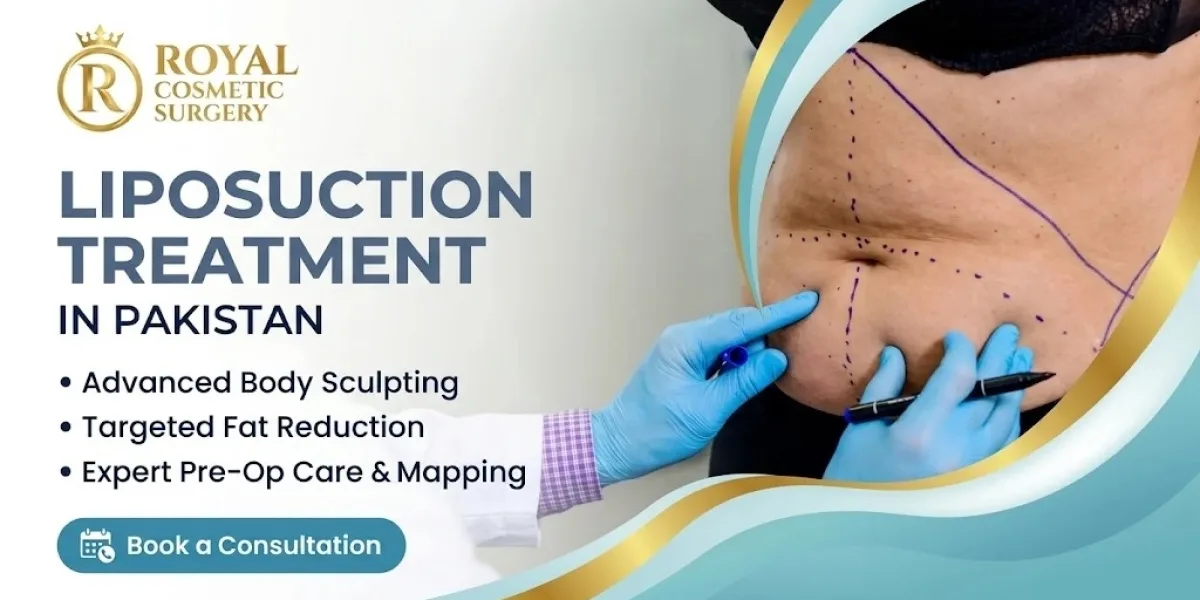
Men can develop stubborn fat deposits even when they maintain an active lifestyle and a relatively stable body weight. These deposits commonly appear around the abdomen, waist, chest and lower back. They may affect body proportions and make it difficult to achieve a more defined appearance through exercise alone.
Male body contouring focuses on these specific concerns. Liposuction can help reduce selected fat deposits beneath the skin, allowing the treated areas to develop a more defined contour. However, the treatment plan needs to account for male anatomy, natural fat distribution and the patient's expectations.
For men researching liposuction surgery in Islamabad, understanding which areas may benefit from treatment and which concerns require a different procedure is an important first step.
Why Do Men Develop Stubborn Fat Deposits?
Fat distribution varies between individuals. Genetics, age, hormones, lifestyle and changes in body composition can influence where men accumulate excess fat.
Many men notice fullness around the abdomen and flanks. Others experience fat accumulation around the chest, upper arms or lower back. These deposits may remain noticeable even after improvements in diet and exercise.
Several factors can contribute to these changes:
-
Age-related changes: Body composition can change with age, including changes in muscle mass and fat distribution.
-
Genetics: Family history and inherited body structure can influence where fat accumulates.
-
Lifestyle habits: Physical inactivity, excess calorie intake and poor sleep can contribute to increased body fat.
-
Hormonal changes: Hormones influence fat distribution and may contribute to certain changes in male body composition.
-
Weight fluctuations: Repeated weight gain and loss can affect the amount and distribution of body fat.
Liposuction does not address the underlying causes of weight gain. It focuses on selected deposits beneath the skin.
Common Areas Men Consider for Liposuction
Male body contouring usually targets areas where localised fat affects the overall appearance of the torso or limbs.
1. Abdominal Liposuction
The abdomen is one of the most common areas of concern for men. Fat may accumulate around the upper stomach, lower abdomen or both.
Abdominal liposuction removes selected subcutaneous fat deposits to improve the contour of the stomach. It may suit men who have a stable weight but retain a noticeable layer of pinchable fat.
However, a protruding abdomen can also result from visceral fat located around internal organs. Liposuction cannot remove this deeper fat. A physical assessment helps identify whether the abdominal fullness is likely to respond to surgery.
2. Waist and Love Handles
Fat around the sides of the waist can create a wider appearance from the front and back. These deposits are commonly called love handles or flanks.
Liposuction may reduce excess fat in this region and create a smoother transition between the waist and lower back.
The surgeon must consider the surrounding abdomen and back when planning treatment. Focusing only on one small area may not produce the balanced contour a patient expects.
3. Chest Liposuction
Some men develop fullness around the chest that makes the area appear enlarged. In certain cases, excess fatty tissue contributes to this appearance.
Liposuction may help when the fullness mainly comes from subcutaneous fat. However, not all male chest enlargement has the same cause.
This distinction is particularly important when evaluating gynecomastia.
4. Back and Upper Body Fat
Fat deposits around the upper back, lower back and sides can affect how shirts fit and how the torso looks from different angles.
Selected deposits may respond to liposuction when the patient has suitable skin quality and realistic expectations. The surgeon considers the distribution of fat across the entire upper body to avoid creating uneven transitions.
5. Chin and Neck
Some men develop fullness beneath the chin or along the upper neck. When excess subcutaneous fat contributes to this appearance, liposuction may be considered.
Skin elasticity, facial anatomy and the amount of fat present influence whether the procedure is appropriate. A patient with significant loose skin may need a different treatment approach.
Male Chest Fat vs Gynecomastia: Why the Difference Matters
One of the most important considerations in male body contouring is distinguishing between fatty chest enlargement and true gynecomastia.
Pseudogynecomastia refers to chest fullness mainly caused by excess fatty tissue. It may occur with general weight gain or localised fat accumulation. Liposuction can sometimes improve this condition by removing selected fat deposits.
Gynecomastia involves the development of glandular breast tissue in males. Hormonal changes, certain medications and underlying health conditions may contribute to it.
Some men have both glandular tissue and excess fat. In these cases, liposuction alone may not adequately address the concern. The surgeon may consider glandular tissue removal alongside fat removal, depending on the examination.
A medical assessment is important because new, painful, one-sided or otherwise unusual breast enlargement may require investigation before cosmetic treatment.
Who May Be a Suitable Candidate?
Liposuction for men generally suits individuals who want to address specific fat deposits rather than achieve major weight loss.
A potential candidate may have:
-
A relatively stable body weight.
-
Localised subcutaneous fat that remains despite healthy habits.
-
Good general health.
-
Sufficient skin elasticity for the planned treatment.
-
Realistic expectations about the outcome.
-
A willingness to follow postoperative instructions.
Men with significant obesity, uncontrolled medical conditions or substantial loose skin may need another approach. The surgeon should review medical history, medications, smoking habits and previous procedures before recommending surgery.
What Happens During Male Liposuction?
The process starts with a consultation. The surgeon examines the areas of concern, discusses the patient's goals and determines whether the fullness comes from fat or another anatomical factor.
If surgery is appropriate, the surgeon develops a treatment plan based on the selected areas.
During the procedure, small incisions allow the surgeon to insert a cannula beneath the skin. The cannula loosens and removes targeted fat through suction. Anaesthesia depends on the treatment extent and the patient's medical needs.
After surgery, the patient may need compression garments to support the treated areas during recovery. The surgeon provides instructions about wound care, movement, medication and follow-up appointments.
Recovery and Maintaining Results
Bruising, swelling, tenderness and temporary numbness can occur after liposuction. These effects usually improve gradually, although recovery varies according to the number of areas treated and individual healing.
Patients should follow their surgeon's instructions about compression garments and physical activity. Heavy lifting and strenuous exercise should wait until the surgical team confirms that the patient can safely resume them.
Liposuction removes fat cells from the treated areas, but it does not prevent future weight gain. Remaining fat cells can enlarge when a person gains weight. Maintaining a stable weight through balanced nutrition and regular activity helps preserve the contour achieved through surgery.
Choosing Liposuction Surgery in Islamabad
Men considering body contouring should choose a qualified plastic surgeon who understands male anatomy and can distinguish between different causes of excess tissue.
During a consultation at Royal Cosmetic Surgery, patients can discuss their concerns, ask about suitable treatment areas and understand the limitations of fat removal.
Before proceeding, it is useful to ask:
-
Which areas are suitable for liposuction?
-
Is the chest enlargement caused by fat, glandular tissue or both?
-
Will skin quality affect the expected result?
-
Could multiple areas be treated safely in one session?
-
What risks and recovery requirements should be expected?
Men researching liposuction surgery in islamabad should seek an individual assessment rather than assume that one technique works equally well for every body type.
Final Thoughts
Male liposuction can improve selected body contours by reducing localised fat deposits around the abdomen, waist, chest, back and other areas. However, the most appropriate treatment depends on the underlying cause of fullness.
A fatty chest, glandular gynecomastia and a prominent abdomen caused by visceral fat are different concerns. Identifying the correct cause helps patients avoid unsuitable treatment and develop realistic expectations.
A consultation with a qualified surgeon provides an opportunity to review these differences and decide whether liposuction or another approach better matches the patient's needs.


