
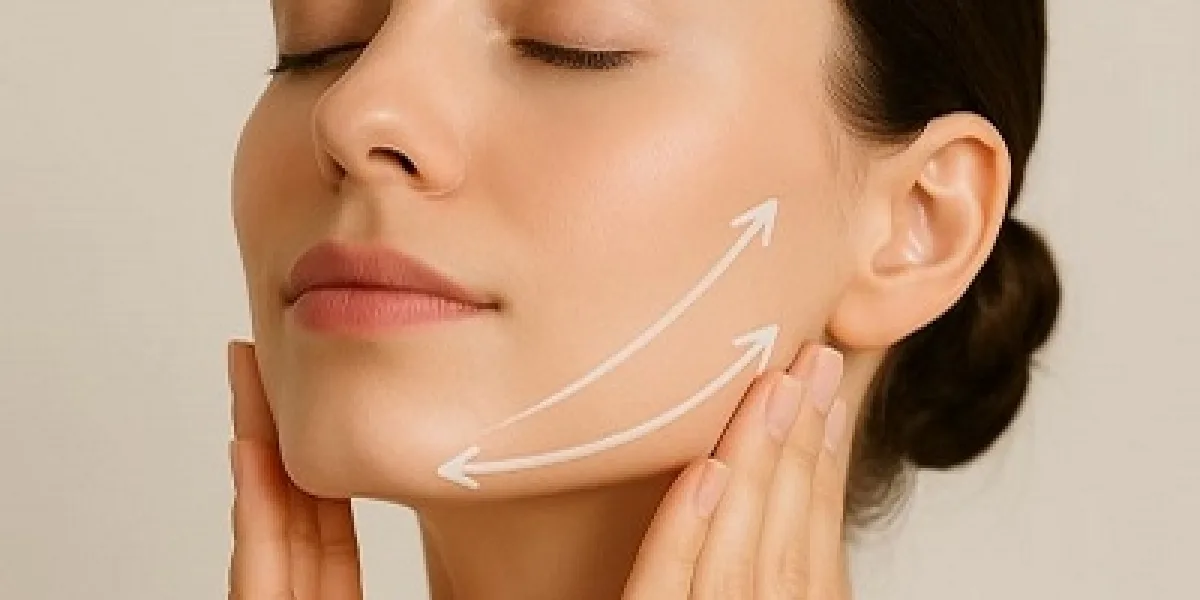
Glowing skin is often associated with a healthy complexion, an even skin tone, and a naturally refreshed appearance. As interest in aesthetic treatments continues to grow, glutathione injections have become a popular topic among people looking for ways to improve their skin's appearance. These injections are frequently promoted for skin brightening, reduced pigmentation, and antioxidant support. However, separating scientific facts from marketing claims is essential before considering this treatment.
Glutathione Injections is a naturally occurring antioxidant that helps protect cells from oxidative stress and supports several important processes in the body. Although it plays a significant role in maintaining cellular health, its use as an injectable cosmetic treatment raises important questions about effectiveness, safety, and long-term results.
Can glutathione injections really make the skin glow? Are the results scientifically proven, or are some benefits exaggerated? Understanding how glutathione works, what research suggests, and which claims remain uncertain can help people make informed decisions.
This guide explores the facts and fiction surrounding glutathione injections for skin glow, including their potential benefits, possible risks, realistic expectations, and alternative approaches to healthier-looking skin.
1. What Are Glutathione Injections and Why Are They Popular?
Glutathione is an antioxidant produced naturally by the body. It consists of three amino acids: glutamate, cysteine, and glycine. It is present in many tissues and helps protect cells against oxidative damage caused by unstable molecules known as free radicals.
The body uses glutathione in several essential processes, including antioxidant defense, cellular maintenance, and the activity of enzymes involved in processing certain substances. Its levels may be influenced by age, nutrition, lifestyle habits, and underlying health conditions.
Glutathione injections deliver the substance through an injection, commonly by intravenous or intramuscular administration, depending on the formulation and treatment protocol. These treatments have attracted attention in aesthetic settings because they are promoted as a way to achieve brighter-looking skin and a more even complexion.
The popularity of glutathione injections is partly driven by beauty trends, online testimonials, and the desire for visible cosmetic improvements. Some people hope to reduce the appearance of dark spots, dullness, or uneven pigmentation, while others are interested in the antioxidant properties associated with glutathione.
However, its natural presence in the body does not automatically mean that injectable supplementation will produce noticeable cosmetic improvements. The body's normal biological processes are complex, and the effects of introducing additional glutathione through injections are not fully understood for every proposed use.
Understanding this distinction is the first step toward separating realistic expectations from exaggerated claims.
2. Glutathione Injections for Skin Glow: Separating Fact From Fiction
Many claims about glutathione injections focus on skin brightness, pigmentation, and overall radiance. Some have a biological explanation, while others go beyond what current scientific evidence can confidently establish.
Fact: Glutathione Has Important Antioxidant Functions
Glutathione helps protect cells against oxidative stress, which occurs when the production of reactive molecules exceeds the body's ability to neutralize them.
Oxidative stress is studied in relation to aging, inflammation, and several health conditions. Because glutathione participates in antioxidant defense, researchers continue to investigate its role in different areas of health.
However, the fact that glutathione supports normal cellular functions does not prove that injections will make the skin visibly glow or reverse signs of aging. Antioxidant activity and cosmetic improvement are different outcomes, and they require separate scientific evidence.
Fiction: Glutathione Injections Guarantee a Fairer Complexion
One of the most common misconceptions is that glutathione injections guarantee a lighter skin tone. Some research suggests that glutathione may influence melanin production, but the evidence supporting injectable glutathione for skin lightening remains limited.
Melanin is the pigment responsible for natural skin color. Its production is influenced by genetics, hormonal factors, ultraviolet radiation, and other biological processes.
Although glutathione has been investigated for its possible effects on pigmentation pathways, there is insufficient high-quality evidence to establish a predictable degree of skin lightening from injections. Not everyone will experience visible changes, and the extent and duration of any reported effects remain uncertain.
A naturally healthy complexion should not be confused with a particular skin shade. Skin glow is more closely associated with factors such as skin hydration, barrier health, texture, and the management of existing skin concerns.
Fiction: Glutathione Injections Detoxify the Body Completely
Another widespread claim is that glutathione injections remove toxins and cleanse the body. While glutathione participates in processes that help the body handle certain compounds, it does not function as a universal detoxification treatment.
The liver and kidneys already perform essential roles in processing and eliminating waste products. There is insufficient evidence that cosmetic glutathione injections provide a general detoxification benefit in otherwise healthy individuals.
Claims about complete cleansing, dramatic rejuvenation, or guaranteed improvements in energy should therefore be viewed cautiously.
3. Potential Benefits of Glutathione Injections for Skin Appearance
Despite the limitations in available evidence, glutathione injections continue to attract interest because of several proposed cosmetic benefits. Understanding what is possible and what remains unproven can help set realistic expectations.
A Brighter-Looking Complexion
Some people consider glutathione injections because they want their skin to look brighter or less dull. The proposed connection with pigmentation is one reason the treatment is frequently discussed in aesthetic settings.
However, research has not established a consistent or reliable level of skin brightening from injectable glutathione. A brighter appearance may also depend on hydration, sun exposure, skincare habits, and the underlying cause of uneven skin tone.
People seeking a more radiant complexion should understand that injections are not a guaranteed solution and that visible changes cannot be predicted with confidence.
Possible Effects on Uneven Pigmentation
Uneven pigmentation can develop for several reasons, including sun exposure, hormonal changes, acne-related inflammation, and certain skin conditions.
Glutathione has been investigated for its potential influence on melanin synthesis. Nevertheless, the evidence is insufficient to recommend injections as a dependable treatment for conditions such as melasma, sunspots, or post-inflammatory hyperpigmentation.
Identifying the cause of discoloration is important because different pigmentation conditions require different approaches. Treatments selected for the specific condition may offer more predictable results than relying on an injectable antioxidant with uncertain cosmetic benefits.
Antioxidant Support and Skin Health
Glutathione's antioxidant role is well established at the cellular level. It helps protect cells against oxidative stress and contributes to normal cellular function.
However, whether injectable glutathione meaningfully improves visible skin health in people without a medical indication remains uncertain. There is also insufficient evidence to conclude that injections reliably improve skin elasticity, reduce wrinkles, or prevent premature aging.
A balanced diet, adequate sleep, sun protection, and a consistent skincare routine remain important foundations for maintaining healthy-looking skin.
4. Are Glutathione Injections Safe? Understanding Possible Risks
Safety is an essential part of any decision involving injectable cosmetic treatments. Although glutathione occurs naturally in the body, receiving it through an injection introduces considerations that differ from normal biological production.
Evidence about the long-term safety of repeated glutathione injections for cosmetic skin lightening is limited. Risks may depend on the formulation, dose, route of administration, product quality, and the individual's medical history.
Possible Side Effects
Potential side effects associated with injectable treatments may include:
-
Pain, redness, swelling, or irritation at the injection site.
-
Nausea or abdominal discomfort.
-
Headaches or dizziness.
-
Allergic reactions, which may occasionally be severe.
-
Infection or inflammation associated with injection procedures.
The frequency of these effects is not well established for every cosmetic glutathione regimen. Some complications may also result from unsuitable ingredients, contaminated products, or improper administration.
A severe allergic reaction may cause difficulty breathing, swelling of the face or throat, or faintness. These symptoms require immediate emergency medical attention.
Product Quality Matters
Injectable products must meet appropriate quality and sterility standards. Products obtained from unverified sources may contain incorrect concentrations, unsuitable ingredients, or contaminants.
The US Food and Drug Administration has raised concerns about adverse events associated with certain compounded injectable glutathione products, including products prepared using ingredients that are not appropriate for sterile compounding.
For this reason, glutathione injections should not be self-administered or obtained from unverified sellers. A qualified healthcare professional should assess whether treatment is appropriate and explain the potential benefits, limitations, and risks.
People who are pregnant or breastfeeding, have underlying medical conditions, or take prescription medications should obtain individualized medical advice before considering treatment.
5. What Results Can People Realistically Expect?
One of the most important facts about glutathione injections is that cosmetic results are unpredictable. Although some individuals report improvements in brightness or pigmentation, personal experiences do not establish that the treatment will produce the same outcome for everyone.
How Quickly Can Skin Glow Improve?
There is no scientifically established timeline for achieving visible skin glow from glutathione injections. Claims promising noticeable improvements after a fixed number of sessions should be treated cautiously.
Research has not established a universally effective dose, treatment schedule, or timeframe for cosmetic skin lightening. Some people may report changes, while others may notice little or no difference.
The appearance of the skin can also change naturally with hydration, skincare routines, seasonal sun exposure, and other factors. These influences make it difficult to attribute every perceived improvement to a single treatment.
Are the Results Permanent?
Permanent skin lightening has not been established as a reliable outcome of glutathione injections. The duration of any possible cosmetic effect remains uncertain, and repeated treatment should not be assumed to be necessary or beneficial.
Pigmentation can return or worsen when contributing factors remain present. For example, ultraviolet radiation can increase pigmentation, while hormonal changes and inflammation may contribute to persistent discoloration.
Daily sun protection is therefore important regardless of whether a person has received cosmetic treatment.
What Influences the Outcome?
Several factors can influence skin appearance and treatment experiences:
-
Genetics and natural skin tone: These influence pigmentation and individual skin characteristics.
-
Underlying skin concerns: Acne marks, melasma, and sunspots have different causes and may require different treatments.
-
Sun exposure: Ultraviolet radiation can worsen discoloration and contribute to premature skin aging.
-
Overall health: Medical history and current medications can affect treatment suitability.
-
Product quality: The composition and sterility of an injectable product can influence safety.
Because these factors vary, realistic expectations are more helpful than promises of rapid or dramatic transformation.
6. Better-Supported Ways to Achieve Healthy, Glowing Skin
For people who want a brighter, smoother, and more even complexion, several skincare approaches have a stronger evidence base for specific skin concerns than injectable glutathione.
Daily Sun Protection
Broad-spectrum sunscreen with SPF 30 or higher helps protect the skin from ultraviolet radiation. Regular application, reapplication as directed, and protective clothing can reduce sun damage and help prevent existing pigmentation from becoming more noticeable.
Sun protection is particularly important for people dealing with melasma or post-inflammatory hyperpigmentation.
Appropriate Skincare Ingredients
Depending on the cause of uneven skin tone, ingredients such as azelaic acid, retinoids, and selected pigmentation-focused products may help improve the appearance of the skin. Hydroquinone may also be appropriate for certain conditions when used under professional guidance.
These ingredients are not suitable for everyone, and some may cause irritation if used incorrectly. A personalized skincare plan can help reduce unnecessary irritation and improve consistency.
Healthy Lifestyle Habits
Adequate sleep, balanced nutrition, hydration, regular physical activity, and avoiding smoking support general health and normal skin function.
Foods containing vitamin C, vitamin E, and other essential nutrients can contribute to a balanced diet. However, eating antioxidant-rich foods does not guarantee lighter skin or eliminate the need for appropriate skincare.
Professional Assessment for Persistent Pigmentation
Persistent or worsening pigmentation may require a proper assessment to determine its cause. Different conditions can look similar but respond differently to treatment.
A qualified healthcare professional can recommend suitable options based on skin type, medical history, and the nature of the concern. This approach can help people avoid unnecessary procedures and focus on treatments with more established benefits.
Ultimately, healthy-looking skin is supported by consistent care, realistic expectations, and decisions based on evidence rather than cosmetic marketing alone.
Frequently Asked Questions About Glutathione Injections for Skin Glow
1. Do glutathione injections really make the skin glow?
Glutathione injections are promoted for brighter-looking skin, but scientific evidence supporting reliable cosmetic improvements remains limited. Skin glow also depends on hydration, skin barrier health, sun exposure, and other factors. Results cannot be guaranteed.
2. Can glutathione injections permanently change natural skin color?
Permanent skin lightening has not been established as a reliable outcome of glutathione injections. The extent and duration of any reported pigmentation changes remain uncertain. Natural skin color is influenced by genetics and several biological factors.
3. How many glutathione injections are needed for glowing skin?
There is no scientifically established number of injections that reliably produces a glowing complexion. Commercial treatment schedules should not be considered proof of effectiveness, and repeated injections may expose individuals to unnecessary risks.
4. Are glutathione injections safe for regular use?
The long-term safety of repeated glutathione injections for cosmetic purposes is not well established. Potential concerns include allergic reactions, injection-related complications, and problems associated with unsuitable or contaminated products. Medical advice is important before considering treatment.
5. Can glutathione injections remove acne marks and dark spots?
Their effectiveness for acne marks, melasma, and other pigmentation concerns has not been established sufficiently to recommend them as a dependable treatment. Options such as sun protection and selected topical ingredients may be more appropriate, depending on the cause of discoloration.
6. What is the best alternative to glutathione injections for glowing skin?
A suitable skincare routine, broad-spectrum sunscreen, adequate hydration, and evidence-based treatments for specific skin concerns are useful starting points. Ingredients such as azelaic acid or selected retinoids may help with certain forms of uneven pigmentation. The best approach depends on the individual's skin type and needs.
Conclusion
Glutathione injections for skin glow remain a popular subject in cosmetic skincare, but their benefits deserve careful evaluation. Glutathione plays an important role as a natural antioxidant, yet evidence supporting injectable glutathione for reliable skin brightening, permanent lightening, or overall cosmetic rejuvenation remains limited.
Some people may report improvements, but these experiences do not guarantee similar results for others. Possible side effects, product quality concerns, and uncertainty about long-term safety also deserve attention before treatment is considered.
For individuals seeking healthier-looking skin, consistent sun protection, appropriate skincare, balanced nutrition, and targeted treatment of pigmentation concerns provide a more evidence-based starting point. Understanding the difference between established facts and exaggerated claims can help people make safer, more informed decisions about their skin.
Read More About Glutathione Injections: https://www.msoms.net/read-blog/48361


