
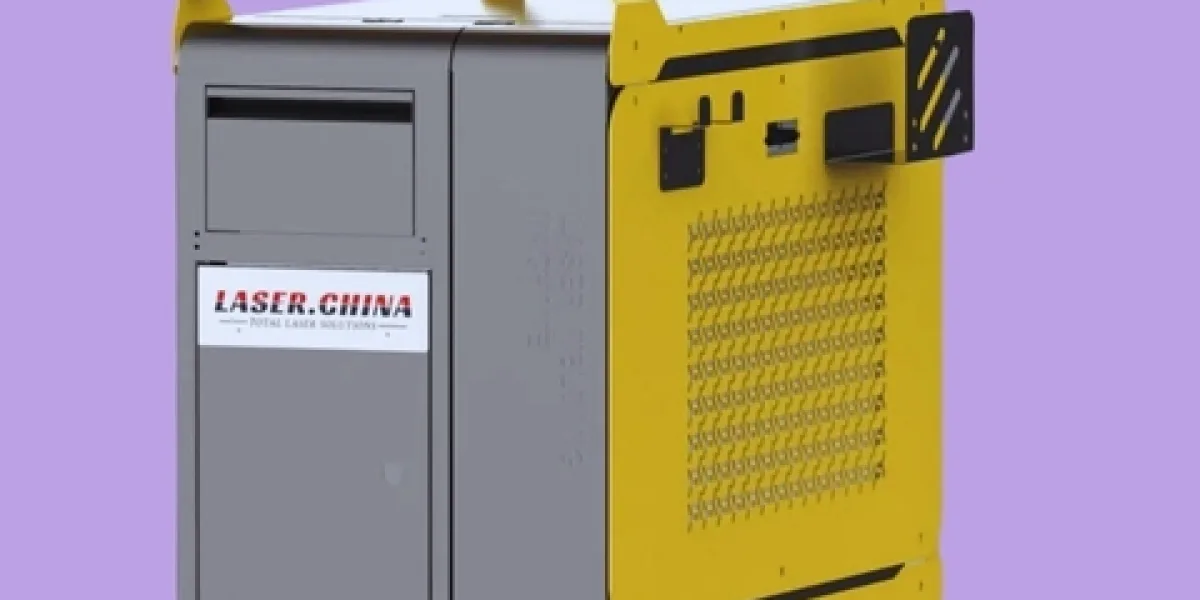
Rust can damage metal surfaces, reduce equipment efficiency, and affect the quality of industrial products. Removing corrosion effectively is essential for maintaining machinery, metal structures, automotive components, and manufacturing equipment. A rust cleaning laser offers a modern approach to surface preparation by using concentrated laser energy to remove rust and unwanted contaminants from metal.
As industries continue to seek precise and efficient cleaning methods, laser technology is becoming an attractive option for workshops, factories, and maintenance professionals. Understanding how this technology works can help businesses choose suitable equipment for their cleaning requirements.
What Is a Rust Cleaning Laser?
A rust cleaning laser is a specialized machine that uses a focused laser beam to remove rust, oxidation, paint residues, and other surface contaminants. The laser interacts with the unwanted layer, helping separate it from the underlying material when the correct operating parameters are applied.
Many industrial systems use pulsed or continuous-wave fiber laser technology. Pulsed lasers deliver energy in short bursts and can be suitable for applications requiring controlled cleaning. Continuous-wave systems provide a steady beam and may be appropriate for certain high-throughput industrial tasks.
The right system depends on the metal type, corrosion thickness, cleaning speed, and required surface finish.
How Does Laser Rust Removal Work?
Laser cleaning works by directing controlled laser energy onto a contaminated surface. The rust layer absorbs energy, allowing it to detach or break down through processes such as rapid heating and ablation. The exact mechanism depends on the laser settings and the properties of the material being cleaned.
Operators can adjust parameters such as laser power, scanning speed, pulse frequency, and focal position to achieve the desired result. Correct settings are important because excessive energy can discolor, heat, or damage the underlying metal.
Before cleaning an entire component, testing a small area helps determine the appropriate operating conditions.
Common Applications of Laser Rust Cleaning
A rust cleaning laser can be used in a variety of industrial environments where corrosion removal and surface preparation are necessary.
Manufacturing and Metal Fabrication
Manufacturers can use laser cleaning to prepare steel sheets, metal parts, tools, and fabricated components before welding, coating, or further processing. Proper surface preparation helps improve consistency during subsequent production stages.
Automotive Maintenance
Automotive workshops may use laser systems to clean selected metal components, brackets, tools, and restoration parts. Careful parameter control is particularly important when working with thin materials or delicate surfaces.
Machinery and Industrial Equipment
Industrial equipment exposed to moisture, chemicals, or outdoor conditions may develop rust over time. Laser cleaning can help remove corrosion from suitable components during maintenance and refurbishment.
Restoration and Metalwork
Restoration specialists can use controlled laser cleaning for selected metal objects and components where conventional cleaning methods may be too aggressive. Each application requires careful testing to protect the original material.
Choosing the Right Laser Cleaning Machine
Selecting suitable equipment starts with identifying the materials and contaminants involved. Light surface oxidation may require different settings from thick, firmly attached rust. The size and shape of the component also influence the choice of machine.
Consider the following factors when evaluating equipment:
-
Laser power: Determines the available energy for the intended cleaning task.
-
Laser type: Pulsed and continuous-wave systems suit different applications.
-
Scanning capability: Influences the area covered and cleaning consistency.
-
Portability: Handheld equipment may suit maintenance work across multiple locations.
-
Safety systems: Appropriate protective equipment, shielding, and operating procedures are essential.
-
Technical support: Reliable training, spare parts, and after-sales service help maintain productivity.
Comparing these factors makes it easier to identify equipment that matches operational requirements and budget.
Safety Considerations During Laser Cleaning
Industrial laser cleaning requires proper safety precautions. High-powered laser beams can cause severe eye injuries, skin burns, and fire hazards. Reflections from shiny metal surfaces can also create risks.
Operators should use a suitable controlled work area, follow the manufacturer's instructions, and wear laser safety eyewear rated for the system's specific wavelength and operating conditions. Fume extraction is important because removing rust, coatings, or other contaminants may release hazardous airborne particles.
Appropriate training and a documented laser safety procedure should be established before equipment is operated.
Why Businesses Are Exploring Laser Cleaning
Businesses are increasingly evaluating laser technology as part of their metal maintenance and surface preparation processes. Depending on the application, it can reduce reliance on abrasive media and certain chemical cleaning products. It can also provide controlled cleaning without direct mechanical contact between a cleaning tool and the workpiece.
Actual performance depends on the material, contamination level, machine specifications, and operator experience. Businesses should request application testing and compare cleaning results before investing in a system.
Final Thoughts
A rust cleaning laser provides an advanced method for removing corrosion from suitable metal surfaces across manufacturing, automotive maintenance, restoration, and industrial production. By choosing the correct laser type, adjusting operating parameters carefully, and following appropriate safety procedures, businesses can integrate laser cleaning into their surface preparation workflows.
Before purchasing equipment, evaluate your typical cleaning tasks, required productivity, and material requirements. A practical demonstration on representative workpieces can help confirm whether laser cleaning is the right solution for your operation.


