
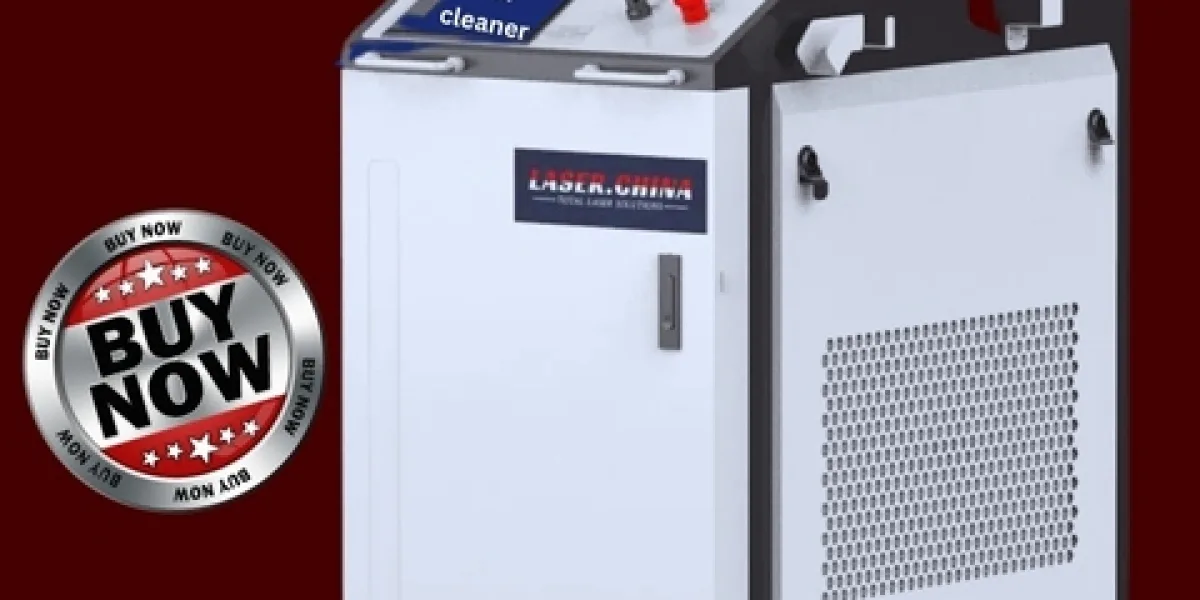
Industrial cleaning is essential for maintaining equipment, preparing materials, and improving production quality. Traditional cleaning methods can require significant labor, chemicals, and time. Laser technology offers a modern solution for removing rust, paint, oil, and other unwanted contaminants from different surfaces. A laser cleaner uses a concentrated laser beam to clean materials with precision, helping businesses achieve consistent results across a wide range of applications.
How Does Laser Cleaning Work?
Laser cleaning works by directing controlled laser energy onto a contaminated surface. The energy interacts with the unwanted layer, helping remove rust, paint, oxide films, grease, and other residues without relying on conventional chemical cleaning agents.
The cleaning process depends on factors such as laser power, scanning speed, material type, and the thickness of the contamination. Proper parameter settings help protect the base material while delivering the desired cleaning result.
Before beginning large-scale operations, users should test the process on a small area to determine suitable settings for their specific material and application.
Applications Across Different Industries
Laser cleaning technology is used in many industries where surface preparation and precision are important.
Metal Fabrication and Manufacturing
Manufacturers use laser systems to remove rust, oxidation, and surface residues from metal components. Clean surfaces can help prepare parts for welding, coating, painting, or further manufacturing processes.
Automotive Maintenance
Automotive workshops can use laser technology to clean metal components, remove corrosion, and prepare selected surfaces for restoration. The process can be useful for detailed work where controlled cleaning is required.
Mold and Tool Cleaning
Molds and industrial tools often accumulate residues during repeated production cycles. Laser cleaning can help remove unwanted deposits and restore working surfaces, depending on the mold material and contamination.
Restoration and Maintenance
Industrial maintenance teams may use laser systems to clean machinery, metal structures, and selected historical metal objects. Appropriate testing and carefully controlled settings are essential when working with delicate or valuable surfaces.
Choosing the Right Laser Cleaning Equipment
Selecting suitable equipment starts with understanding the cleaning task. Different applications require different power levels, operating modes, and beam configurations.
Consider the following factors when comparing equipment:
-
Material type: Identify whether you will clean steel, aluminum, or another material.
-
Contamination level: Consider the thickness and nature of rust, paint, oil, or other deposits.
-
Cleaning area: Determine whether you need to clean small components or large industrial surfaces.
-
Laser power: Match the system's output to the required cleaning speed and depth.
-
Portability: Choose a handheld system for flexible on-site work or a stationary solution for dedicated production areas.
-
Technical support: Check warranty coverage, operator training, spare parts availability, and maintenance services.
Comparing these details helps businesses select equipment that matches their production requirements and operating budget.
Safe Operation and Maintenance
Laser cleaning equipment requires proper safety procedures. Direct or reflected laser beams can cause serious eye and skin injuries, and removing coatings may release hazardous fumes or particles.
Operators should use suitable laser-rated protective eyewear, establish a controlled work area, and follow the manufacturer's safety instructions. Appropriate ventilation or fume extraction is important, particularly when removing paint or unknown coatings. Only trained personnel should operate the equipment.
Regularly inspect the optical components, cables, cooling system, and protective equipment. Follow the manufacturer's maintenance schedule to help maintain reliable operation and reduce unexpected downtime.
Why Businesses Are Exploring Laser Cleaning
As industries look for more controlled and efficient surface preparation methods, laser technology is becoming an important option to evaluate. A laser cleaner can help reduce dependence on abrasive materials and certain chemical cleaning processes, depending on the application.
Businesses should assess the complete workflow, including cleaning speed, setup time, operator training, safety requirements, and long-term operating costs. A practical demonstration on actual workpieces can help determine whether the technology meets the required quality standards.
Final Thoughts
Laser technology provides a modern approach to industrial surface cleaning, from removing corrosion on metal components to preparing parts for manufacturing and restoration. Choosing the right laser cleaner requires careful consideration of materials, contamination, equipment specifications, and workplace safety.
With suitable equipment, trained operators, and appropriate process settings, businesses can integrate laser cleaning into their workflows and improve consistency in surface preparation. Evaluating real-world cleaning requirements before purchasing helps ensure a suitable solution for long-term industrial use.
#LaserCleaner #LaserCleaning #IndustrialCleaning #RustRemoval #


