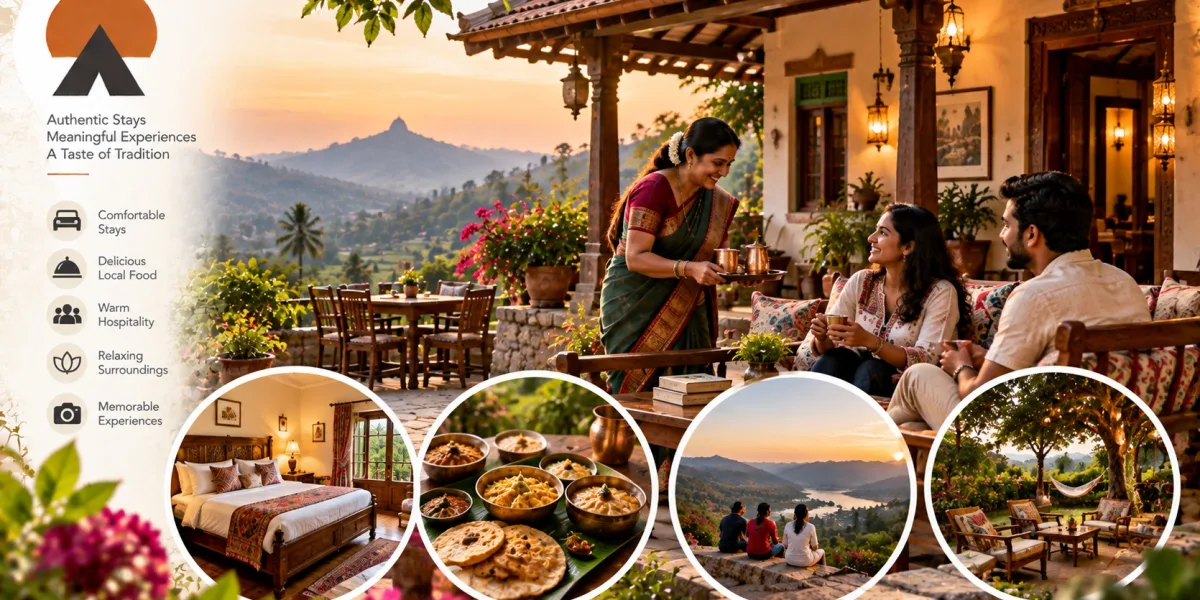
Himachal Pradesh is known for its mountain landscapes, distinctive cultural traditions, and handmade crafts that reflect generations of local knowledge. Among the region's most recognisable traditions are handloom weaving, woollen shawls, traditional caps, and other textile products shaped by the climate and cultural identity of Himalayan communities. These crafts are more than decorative objects; they represent practical skills, regional design preferences, and the livelihoods of artisans who continue to preserve traditional techniques. Staying at a homestay in himachal can provide a starting point for exploring local markets, discovering regional textiles, and learning about the cultural traditions of the surrounding area.
For travelers interested in authentic cultural experiences, exploring Himachali weaving offers a chance to understand the process behind handmade products. From selecting suitable fibres to creating intricate patterns, textile production combines patience, creativity, and technical skill. By visiting local craft shops, speaking respectfully with artisans, and learning about the regional significance of different designs, visitors can gain a deeper appreciation of Himachal Pradesh's living heritage.
Understanding Himachali Handloom Traditions
The Importance of Woollen Textiles
Woollen textiles have long played an important role in Himalayan life because they provide warmth in cold mountain conditions. Across Himachal Pradesh, communities have developed textile traditions that reflect local climates, available materials, and cultural preferences. Shawls, blankets, caps, and other woollen garments serve practical purposes while also expressing regional identity.
Different areas may be associated with particular weaving styles, colours, patterns, and finishing techniques. The appearance of a textile can offer clues about its intended use and the preferences of the community where it was produced. However, designs and methods vary, so travelers should avoid assuming that every garment represents a single region or tradition.
Handloom products also demonstrate the value of skilled manual work. Weavers must manage threads carefully, maintain consistent tension, and create patterns through repeated, precise movements. Understanding this process helps visitors recognise why handmade textiles can differ from factory-produced alternatives.
Recognising Traditional Patterns and Designs
Himachali textiles may feature geometric shapes, repeated borders, contrasting colours, and patterns inspired by regional aesthetics. Shawls are particularly valued for their warmth, texture, and decorative detail. Traditional caps and other woven products can also reflect local preferences and cultural associations.
When browsing textiles, travelers can ask sellers about the origin of a design, the material used, and whether the product was woven by hand or produced using another method. These questions can make shopping more informative and help visitors distinguish between products with different manufacturing processes.
Discovering Woollen Shawls and Local Craft Markets
Exploring Regional Textile Products
Local markets and established craft outlets can introduce visitors to a variety of Himachali textiles. Depending on the location, travelers may find shawls, stoles, woollen caps, blankets, and other handmade or locally produced items. Product selection often changes with the season and the market.
Rather than focusing only on colour or price, examine the texture, finishing, and details of each item. Ask about the fibre composition and care requirements, particularly if you plan to use a shawl or blanket regularly. Sellers may be able to explain whether an item is made from wool, a blend, or another material.
Travelers should also remember that a product sold in Himachal Pradesh is not necessarily made locally. Asking about its production location and artisan background is a useful way to learn more about the textile's story.
Supporting Artisans Through Thoughtful Purchases
Buying directly from a known artisan or a reputable local craft outlet can help travelers make more informed choices. When possible, ask about the maker, production method, and time involved in creating the product. These conversations can reveal how traditional skills are maintained and adapted to contemporary demand.
A handmade item can also become a meaningful travel keepsake because it connects the visitor with a place and its cultural traditions. Choose products that suit your needs, and follow the seller's guidance for cleaning and storage to help preserve the textile.
Learning About Weaving Techniques and Artisan Skills
How Handloom Weaving Works
Handloom weaving involves interlacing two sets of threads to form a textile. The lengthwise threads, known as the warp, are held in position while the crosswise threads, called the weft, pass through them. The arrangement of these threads creates the fabric's structure, while variations in colour and technique produce different patterns.
The process requires concentration and consistency. Even a small change in thread tension or placement can affect the finished material. More elaborate designs may require additional planning and careful coordination of colours and patterns.
Where demonstrations are available, watching a weaver at work can help travelers understand the relationship between tools, technique, and finished fabric. Visitors should confirm access in advance because not every workshop operates as a public attraction.
Respectful Visits to Craft Workshops
Some craft centres, cultural programmes, or artisan initiatives may offer opportunities to learn about traditional weaving. Availability varies by location, so travelers should check arrangements before planning a visit specifically for a demonstration.
When visiting a working space, follow the artisan's instructions and avoid touching tools or unfinished products without permission. Ask before taking photographs, particularly when photographing people or their work. A polite conversation and genuine interest are often more valuable than treating the workshop as a quick sightseeing stop.
Visitors staying in homestay in himachal pradesh accommodation can ask about nearby markets, cultural attractions, and local craft experiences. The options available will depend on the property's location and the activities operating during the visit.
Connecting Textiles With Himachali Culture
Clothing, Climate, and Everyday Life
Traditional clothing in Himachal Pradesh reflects the practical needs of mountain living as well as community customs. Warm shawls, woollen caps, and layered garments can be useful in areas where temperatures change considerably between seasons or between day and night.
Textile traditions also form part of wider cultural life. Clothing may be worn during festivals, family gatherings, community celebrations, and other occasions. The significance of particular garments can vary across districts and communities, making local explanations especially valuable.
Travelers can learn about these traditions by visiting cultural exhibitions, exploring local markets, or speaking with residents who are willing to share their knowledge. It is important to approach cultural practices with curiosity and respect rather than making broad assumptions about the entire state.
Exploring Food and Village Experiences
A craft-focused journey can be combined with other cultural experiences. Himachali food traditions vary by region, with local dishes influenced by seasonal produce, grains, pulses, and household customs. Sampling regional food at local eateries can provide another perspective on everyday life in the mountains.
In villages and smaller settlements, travelers may also notice traditional building styles, terraced fields, orchards, and local markets. These experiences can help place textile production within the broader context of community life and local livelihoods.
Planning a Textile and Craft Journey in Himachal Pradesh
Choosing Destinations and Timing
Himachal Pradesh is geographically diverse, and travel between towns and valleys can take longer than expected. Before planning craft visits, identify the textile traditions or products you are most interested in and check where they can be explored. Confirm market hours, workshop access, and transport arrangements in advance.
Seasonal weather can affect road journeys and outdoor activities. Carry clothing suitable for changing temperatures and leave room in your itinerary for unexpected delays. If your plans include remote settlements, check local road conditions before setting out.
Selecting Accommodation for Cultural Exploration
A suitable place to stay can make it easier to balance sightseeing with local experiences. Consider the accommodation's location, transport access, available facilities, and distance from the markets or cultural attractions you hope to visit.
Travelers researching a best homestays in himachal option can compare properties according to their travel priorities rather than assuming every accommodation offers the same activities. Contact the property to confirm practical details and ask for suggestions about nearby places where traditional crafts can be explored.
Conclusion
Himachali handloom weaving and woollen crafts offer travelers an engaging way to discover the region's cultural identity, practical traditions, and artisan skills. From examining shawls and caps to learning how threads are woven into patterned textiles, each experience can reveal the care behind handmade products. Exploring local markets, supporting artisans, and approaching workshops respectfully can make a cultural journey more meaningful. Raahghar can help travelers research accommodation options as they plan a visit focused on Himachal Pradesh's crafts, landscapes, and local traditions.
Frequently Asked Questions
1. What Traditional Woollen Crafts Are Associated With Himachal Pradesh?
Himachal Pradesh is known for woollen shawls, caps, blankets, and other textile products. Styles, materials, and patterns vary across communities and regions.
2. How Can Visitors Learn About Traditional Handloom Weaving?
Visitors can explore local craft markets, cultural exhibitions, and workshops that permit public visits. Where available, demonstrations can help explain how threads are woven into finished textiles.
3. What Should Travelers Look for When Buying a Himachali Shawl?
Consider the material, texture, finishing, pattern, and care requirements. Ask the seller about the product's origin and whether it was handmade, handloom-woven, or produced using another method.
4. Can Travelers Visit Artisan Workshops in Himachal Pradesh?
Some workshops or craft centres may welcome visitors, but access varies. Contact the location in advance, follow workshop rules, and ask permission before photographing artisans or their work.
5. How Can Travelers Support Local Craft Traditions?
Visitors can purchase from reputable local sellers or artisans, ask informed questions about products, treat craft spaces respectfully, and share accurate information about the traditions they learn about.