
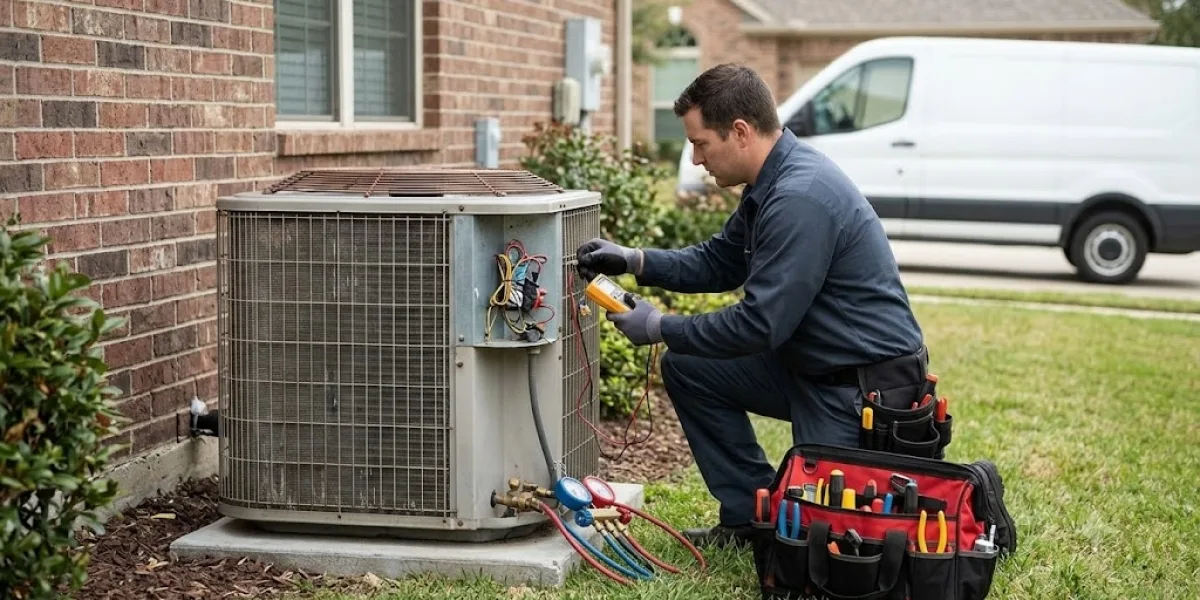
Clinton homeowners rely on their HVAC systems through Utah's changing seasons. A furnace needs to provide dependable heat during cold winter weather, while an air conditioner must handle sustained summer demand. When either system develops a problem, indoor comfort, energy efficiency, and air quality can suffer. Regular attention helps keep heating and cooling equipment dependable throughout the year.
Choosing an HVAC company in Clinton, UT gives you access to professional support for problems ranging from weak airflow and inconsistent temperatures to unusual equipment noises and frequent system cycling. Rather than waiting for a complete breakdown, homeowners benefit from addressing performance changes early. Professional troubleshooting identifies the source of a problem and provides a practical path toward restoring reliable operation.
Common HVAC Problems in Clinton Homes
Heating and cooling systems show several recognizable signs when something is wrong. Understanding these symptoms helps you know when professional attention is appropriate.
Look for:
- Uneven temperatures: Rooms that feel noticeably warmer or colder than the rest of the house often point to airflow, ductwork, thermostat, or equipment problems.
- Weak airflow: Poor air movement through registers often relates to a restricted filter, blower problem, blocked duct, or other airflow issue.
- Frequent cycling: An HVAC system that starts and stops repeatedly experiences unnecessary operating stress.
- Unusual sounds: Rattling, buzzing, grinding, squealing, or banging noises deserve investigation.
- Unexpected odors: Persistent musty, burning, or unusual smells require attention, particularly when they appear suddenly. If you have a gas furnace, a burning smell that persists or an unusual odor should be investigated promptly. Carbon monoxide is odorless, so a carbon monoxide detector is essential near fuel-burning equipment. If the alarm sounds or anyone experiences symptoms such as dizziness, headache, nausea, or confusion, leave the home immediately and contact emergency services. Do not re-enter until authorities confirm it is safe.
- Increasing energy consumption: Higher utility costs without a significant change in usage could indicate declining system performance.
These symptoms do not always point to the same component, which makes accurate diagnosis important.
How Professional HVAC Troubleshooting Works
A professional HVAC assessment starts by evaluating how the system operates rather than immediately replacing parts. The technician examines the thermostat, electrical components, filters, blower assembly, outdoor equipment, refrigerant-related components, drainage, and airflow.
The process generally includes:
- System inspection: Components are checked for wear, dirt, damage, and visible operating problems.
- Performance testing: Temperature, airflow, electrical operation, and system cycling are evaluated.
- Problem diagnosis: Test results help determine which component or condition is affecting performance.
- Repair or adjustment: The appropriate repair addresses the identified cause rather than simply treating the symptom.
- Final testing: The equipment is operated again to confirm proper performance and consistent operation.
This method helps reduce unnecessary repairs while providing a clearer understanding of the system's condition.
If an air conditioner or heat pump has a low refrigerant charge, the system may have a refrigerant leak. Refrigerant does not normally get used up during operation, so simply adding more without investigating the cause may lead to recurring problems. A qualified technician can check for leaks, repair them when necessary, and recharge the system to the manufacturer's specifications.
HVAC Maintenance for Year-Round Comfort
Routine maintenance supports dependable heating and cooling while helping identify developing issues early. Check HVAC filters monthly and replace or clean them as needed, typically every 1–3 months, depending on the filter type, equipment requirements, household conditions, and filter condition. Homes with pets, higher dust levels, or heavier system use may need more frequent changes. Keep supply and return vents open and unobstructed so conditioned air moves properly throughout the home.
Before periods of heavy heating or cooling demand, pay attention to changes in system performance. Longer run times, unusual sounds, inconsistent temperatures, and repeated cycling all deserve attention.
Professional maintenance also provides a deeper inspection of electrical connections, moving components, airflow, drainage, and overall equipment operation. Addressing minor concerns before peak season helps reduce the risk of an unexpected interruption when your system is working hardest.
Modern HVAC Priorities for Clinton Homes
Homeowners increasingly focus on energy efficiency, indoor comfort, and better control over heating and cooling. When comparing HVAC equipment, the SEER2 rating helps homeowners evaluate the seasonal cooling efficiency of air conditioners and heat pumps, while the AFUE rating measures how efficiently a furnace converts fuel into heat. Higher ratings generally indicate greater efficiency within the same equipment category, although actual energy savings depend on installation quality, climate, usage, and home conditions. Programmable and smart thermostats provide more precise scheduling, while properly maintained equipment operates more effectively.
Improving insulation, sealing accessible ductwork, and maintaining clean filters also support efficient HVAC operation. When an older system requires frequent repairs or struggles to maintain comfortable temperatures, a professional evaluation helps determine whether continued repairs or an equipment upgrade makes better long-term sense. As a general guide, consider discussing replacement when a furnace is around 15–20 years old or an air conditioner is around 10–15 years old, particularly if repairs are becoming frequent. If a repair costs a substantial portion of the price of replacement, obtaining an estimate for a new system can help with the decision. Repeated breakdowns, rising energy bills, and difficulty maintaining comfortable temperatures are additional reasons to compare repair and replacement options. These are guidelines rather than fixed rules; equipment condition, repair history, efficiency, and budget all matter.
When to Schedule HVAC Service in Clinton
Do not wait until your heating or cooling system stops working completely. Schedule professional service when you notice persistent temperature differences, weak airflow, unusual noises, frequent cycling, water around equipment, or a significant change in energy usage.
For dependable comfort in Clinton, address HVAC problems as soon as performance changes become noticeable. Professional service helps maintain system reliability, improve indoor comfort, and prepare your home for both Utah's cold winters and hot summers.


