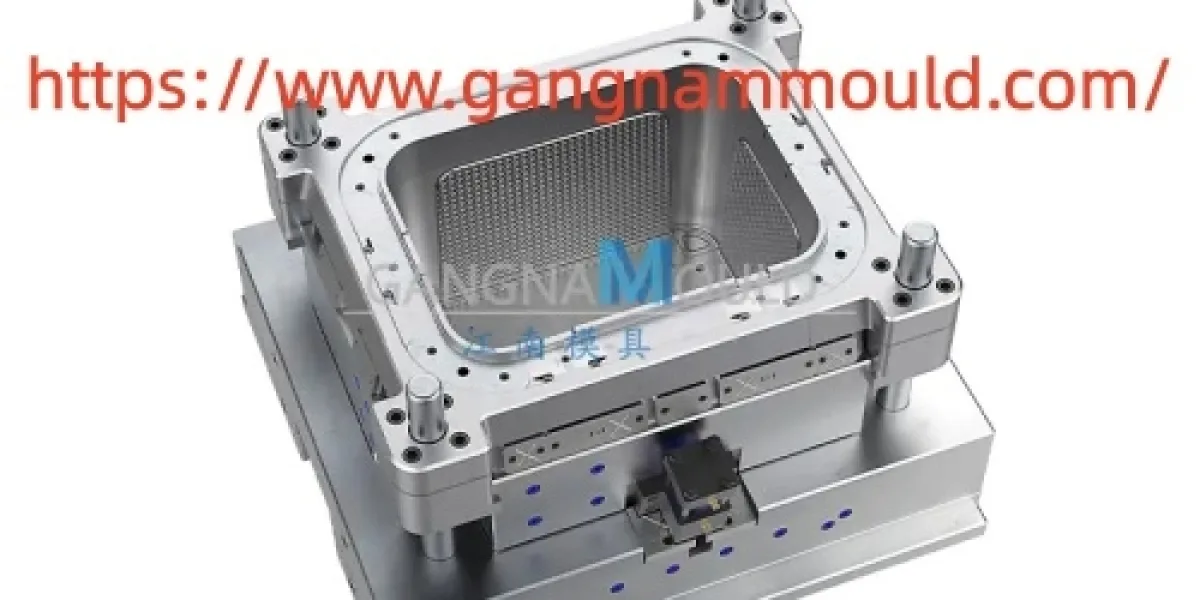
Crate Box Mould design has a direct influence on production efficiency, especially for manufacturers supplying logistics, agriculture, retail, and warehouse storage markets. Cooling performance, material distribution, part release, and machine compatibility all affect how smoothly a production line operates. When developing tooling for large plastic containers, manufacturers need to consider more than the initial purchase price. The right engineering decisions can help manage cycle duration, reduce avoidable interruptions, and maintain consistent product quality across repeated manufacturing runs.
Cooling is one of the first areas worth reviewing during the design stage. Large plastic products often contain broad surfaces, reinforced corners, and thick sections that retain heat for different lengths of time. If temperature distribution is uneven, the finished component may warp or shrink inconsistently. This can lead to additional inspection, adjustments, and rejected parts. Properly positioned cooling channels help remove heat from critical areas while maintaining a suitable temperature throughout the tool. Engineers should evaluate the product geometry, wall thickness, resin properties, and expected production conditions before deciding on the cooling layout.
Cavity configuration also deserves careful consideration. A single cavity can suit product testing or orders with limited demand, while a multi-cavity arrangement may be appropriate for established products requiring larger output volumes. However, adding cavities involves more than increasing the available forming space. The material delivery system must fill each cavity consistently, and the cooling arrangement needs to support similar processing conditions across all positions. Buyers should compare anticipated demand with machine capacity and investment costs before confirming the configuration. A carefully planned setup can help manufacturers balance production requirements with available resources.
Material flow is another factor that affects manufacturing consistency. During injection, molten plastic travels through runners and gates before entering the forming cavity. If the flow path is poorly planned, certain areas may fill too slowly or experience excessive pressure differences. These conditions can contribute to incomplete filling, visible flow marks, or inconsistent dimensions. A suitable gating arrangement considers the component shape, resin characteristics, and location of structural ribs. For projects involving several cavities, balanced distribution becomes particularly important because differences between individual parts may complicate inspection and assembly.
The release mechanism should receive the same attention. Once the plastic has cooled sufficiently, the finished component needs to separate from the tool without excessive force or distortion. Large surfaces can create resistance during release, particularly when the design includes deep walls, textured areas, or narrow corners. Ejector pins, stripper plates, and other mechanical arrangements can be selected according to the product structure. Appropriate draft angles also help the component move away from the forming surface. When release is consistent, operators may spend less time handling stuck parts or correcting damage after each cycle.
Air venting is another practical feature that can influence output. As molten resin fills the cavity, trapped air needs a route to escape. Inadequate venting may cause burn marks, incomplete filling, or other surface defects. Engineers should identify areas where air is likely to accumulate, including narrow ribs, corners, and the ends of flow paths. Properly designed vents allow air to escape without permitting excessive material leakage. Regular cleaning is equally important because residue can gradually reduce venting performance and create recurring quality problems.
Machine compatibility should be confirmed before manufacturing begins. Tool dimensions, opening stroke, clamping force, injection capacity, and ejection travel must match the intended equipment. A mismatch may restrict production settings or require costly adjustments before the tool can operate as planned. Buyers should provide the manufacturer with available machine specifications and discuss the expected resin and component weight. These details allow the engineering team to evaluate the proposed structure against real operating conditions instead of relying on assumptions.
Maintenance access can make a noticeable difference over an extended production schedule. Cooling passages, moving components, guide elements, and wear surfaces require periodic inspection. A design that allows convenient access to serviceable areas can simplify cleaning and replacement work. For high-volume applications, planned maintenance intervals and access to suitable spare parts also deserve attention. Preventive checks can help identify wear before it develops into an unexpected production interruption.
Before approving a custom tooling project, buyers should review technical drawings, dimensional requirements, material specifications, sample approval procedures, and inspection criteria. Trial production provides an opportunity to assess filling behavior, cooling consistency, part release, and overall dimensional stability. Any required adjustments can then be discussed before regular manufacturing begins. Clear communication at this stage helps align the expectations of the purchasing team, engineering staff, and production operators.
For manufacturers seeking custom injection tooling, Gangnammould can be considered when evaluating project requirements and production goals. Sharing drawings, estimated order volumes, resin specifications, and machine details provides a practical starting point for discussing suitable design options. To review available manufacturing solutions and learn more about the company, visit https://www.gangnammould.com/ and explore how its tooling services may fit your next plastic product development project.