Maintaining a clean property takes regular care and the right cleaning methods. Outdoor surfaces face constant exposure to dust, rain, pollen, algae, and other environmental elements. Over time, this buildup can leave stains on roofs, siding, exterior walls, and patios. Solar panels can also collect dirt and debris that may affect how much sunlight reaches their surfaces.
Soft washing services and solar panel cleaning services provide practical ways to manage these issues. Soft washing uses low water pressure and suitable cleaning solutions to remove dirt and organic growth from appropriate exterior materials. Solar panel cleaning removes accumulated debris to help keep the panels clean and support their ability to generate electricity.
Understanding how these services work can help homeowners and commercial property managers maintain their buildings, protect valuable equipment, and make better decisions about regular cleaning.
What Are Soft Washing Services?
Soft washing is an exterior cleaning method that combines low pressure water with cleaning solutions designed for specific surfaces. Unlike high pressure washing, which uses strong water streams to remove dirt, soft washing allows cleaning products to loosen buildup before the surface is rinsed.
This method can be suitable for delicate exterior materials that may be damaged by excessive pressure. However, the correct cleaning products and techniques depend on the material, its condition, and the type of dirt being removed.
How Does Soft Washing Work?
The process begins with an inspection of the surface. A cleaning professional checks the material, identifies visible stains, and determines whether soft washing is an appropriate option.
A suitable cleaning solution is then applied carefully. The solution is allowed to work according to the manufacturer's instructions before the surface is rinsed using controlled water pressure.
Preparation is also important. Nearby plants, windows, outdoor furniture, and other sensitive areas may need protection from cleaning products and runoff. A professional should check for loose materials and existing damage before beginning the job.
Using appropriate products and careful techniques helps remove unwanted buildup while reducing the risk of damage.
Which Surfaces Can Benefit From Soft Washing?
Soft washing can be used on various exterior surfaces when the correct method is selected. Common examples include:
-
Vinyl siding and compatible painted exterior walls.
-
Roof shingles approved for low pressure cleaning methods.
-
Stucco and selected exterior finishes.
-
Soffits, fences, and suitable outdoor structures.
-
Surfaces affected by algae, mildew, and organic staining.
Not every surface should receive the same treatment. Older paint, delicate wood, and damaged materials may require special attention. A professional assessment helps determine the safest approach for each area.
Benefits of Professional Soft Washing
Improve Your Property's Appearance
Dirt and organic growth can make a property appear older or poorly maintained. Green stains on siding, dark streaks on suitable roof surfaces, and grime on exterior walls can affect the overall appearance of a building.
Professional soft washing helps remove this buildup from suitable materials. A cleaner exterior creates a more welcoming appearance for residents, visitors, employees, and customers.
Exterior cleaning can also be useful before selling a home, preparing a rental property for new occupants, or improving the presentation of a commercial building.
Support Exterior Surface Maintenance
Some types of organic growth can retain moisture against building materials. Depending on the material and environmental conditions, prolonged buildup may contribute to staining or deterioration.
Removing unwanted growth supports routine maintenance and makes it easier to notice areas that need repair. However, cleaning does not fix cracked siding, damaged shingles, or peeling paint. These issues require separate inspection and repair.
Reduce the Risks of Excessive Water Pressure
High pressure washing can damage delicate surfaces when used incorrectly. Strong water streams may remove paint, affect certain roofing materials, or force water into unwanted spaces.
Soft washing relies more on suitable cleaning solutions than water force. This makes it useful for many exterior materials that require gentle treatment. Correct chemical selection remains essential because unsuitable products can harm surfaces, plants, and nearby property features.
What Are Solar Panel Cleaning Services?
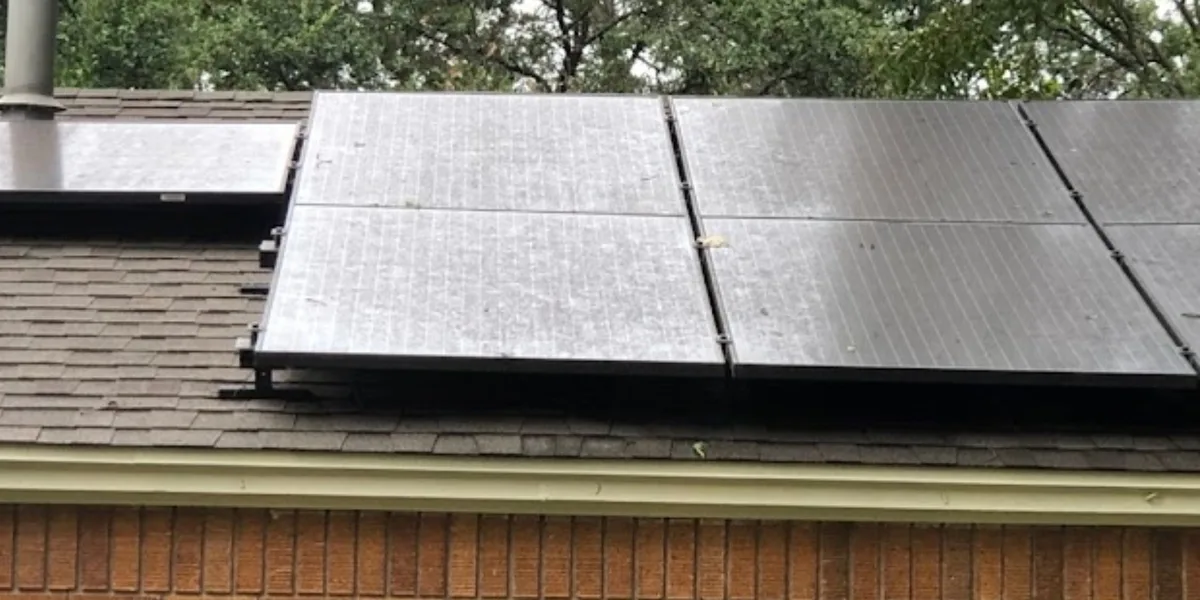
Solar panel cleaning services remove dust, pollen, bird droppings, leaves, and other debris from solar panel surfaces. Although panels are designed for outdoor use, their glass can gradually collect contaminants that may interfere with sunlight reaching the solar cells.
The amount of dirt depends on the surrounding environment. Panels near busy roads, construction sites, farms, or trees may require closer monitoring because dust and debris can accumulate more quickly.
Why Is Solar Panel Cleaning Important?
Solar panels generate electricity by receiving sunlight. When dirt covers their surfaces, less sunlight may reach the solar cells. Depending on the type and amount of contamination, this can reduce energy production.
Light dust may have little effect in some conditions, while heavy deposits and bird droppings can cause more noticeable problems. Cleaning may help restore performance when surface contamination is responsible for reduced output.
However, lower energy production does not always mean the panels need cleaning. Cloudy weather, shading, damaged components, and technical faults can also affect performance. Reviewing the system's monitoring information can help determine whether further inspection is necessary.
Signs Your Solar Panels May Need Cleaning
Property owners can inspect their solar panels periodically and look for visible signs of buildup. Common indicators include:
-
Visible dust, bird droppings, or stubborn marks on the panel glass.
-
Heavy pollen or leaves collecting around the installation.
-
A decline in electricity production that cannot be explained by weather or shading.
-
Frequent dirt accumulation caused by nearby roads or construction.
-
Manufacturer recommendations for cleaning or maintenance.
Comparing energy production under similar weather conditions can help identify meaningful changes. If output remains low after cleaning, a qualified solar technician may need to inspect the system.
How Professional Solar Panel Cleaning Works
Inspect the Panels Before Cleaning
A professional should examine the panels for visible contamination, damage, and access concerns before beginning work. The manufacturer's instructions should also be reviewed to determine which cleaning methods and products are suitable.
Solar panels should never be walked on because this can damage the equipment and create a safety hazard. Cracked glass, loose components, and electrical concerns should be addressed by qualified professionals.
Use Appropriate Cleaning Tools
Solar panel cleaning generally involves soft brushes, approved tools, and suitable water. Abrasive materials can scratch the glass, while unsuitable chemicals may damage protective surfaces.
Water quality also matters. Water containing high levels of minerals can leave deposits after drying. Depending on manufacturer guidance, filtered or deionized water may help reduce residue and water spots.
Follow Safe Cleaning Practices
Solar panel installations contain electrical components, and rooftop work carries a risk of falls. Professional cleaners should use appropriate access equipment and follow safe working procedures.
Homeowners should avoid spraying electrical connections, opening system components, or attempting repairs during cleaning. Hiring an experienced professional can help reduce unnecessary risks and protect the equipment.
How Often Should You Schedule Cleaning?
The right cleaning schedule depends on the property's location, weather conditions, surface materials, and amount of visible buildup. Not every property requires the same maintenance routine.
Plan Soft Washing Around Exterior Conditions
Inspect exterior walls, roofs, and other suitable surfaces periodically for dirt, algae, mildew, and staining. Shaded areas and surfaces exposed to moisture may develop organic growth more quickly than those receiving direct sunlight.
Arrange soft washing when buildup requires attention and the surface can be treated safely. Cleaning too frequently or using unsuitable products may cause unnecessary wear.
Monitor Solar Panel Conditions
Solar panels in areas with regular rainfall may require less frequent cleaning than those exposed to persistent dust. However, rain may not completely remove bird droppings or sticky residue.
Check the visible condition of the panels and review energy production information. Following the manufacturer's recommendations helps determine when professional cleaning is appropriate.
Choosing the Right Cleaning Professional
Check Experience and Cleaning Methods
Ask potential providers about their experience with your exterior materials or solar panel system. A reliable professional should explain the cleaning method, products, and precautions used during the service.
For solar panel cleaning, confirm that the provider follows manufacturer guidance and understands the requirements of the installation.
Review Safety and Property Protection
Ask about insurance, safe working practices, and measures used to protect plants, windows, and surrounding surfaces. Solar panel cleaning providers should understand rooftop safety and the risks associated with electrical equipment.
Request a clear estimate explaining which areas will be cleaned, the methods involved, and any additional charges. Comparing these details helps you understand the service and make an informed decision.
Conclusion
Maintaining clean exterior surfaces and solar panels is an important part of caring for a property. Soft washing services help remove dirt and organic growth from suitable exterior materials, while solar panel cleaning services remove debris that may interfere with sunlight reaching the panels.
The right cleaning method depends on the surface, environmental conditions, and manufacturer recommendations. Choosing a qualified professional can help protect valuable property features, reduce the risk of damage, and support effective maintenance.
For property owners comparing exterior cleaning options, Bright And Shiny is a provider to consider. Regular inspections and appropriate cleaning methods can help maintain a cleaner appearance and support the long term care of exterior surfaces and solar equipment.