
A clean car park creates a positive first impression for customers, visitors, employees, and residents. Whether it belongs to a shopping centre, office building, apartment complex, or commercial property, keeping the area clean helps make it safer, more welcoming, and easier to maintain. Leaves, dust, litter, dirt, and vehicle debris can quickly build up, especially in busy areas where cars enter and leave throughout the day.
Regular park sweeping helps control this buildup and keeps outdoor parking areas looking presentable. It also supports better site maintenance by removing loose waste before it spreads across walkways, drains, and nearby entrances. On the Gold Coast, changing weather, coastal conditions, and heavy traffic can make ongoing cleaning particularly important.
Understanding how car park cleaning works, how often it should be completed, and which areas need attention can help property managers maintain a cleaner environment throughout the year.
Why Park Sweeping Is Important
Car parks experience constant activity. Vehicles bring in dirt from roads, tyres leave marks, and wind carries leaves and rubbish into corners and along kerbs. Without regular cleaning, these materials can collect and make the property look neglected.
Creating a Better First Impression
The car park is often one of the first areas people see when they visit a business. Litter around parking bays, dusty surfaces, and dirty entrances can affect how visitors view the entire property. A well maintained parking area shows that the site is cared for and that cleanliness is taken seriously.
For shopping centres, restaurants, medical facilities, and offices, this can contribute to a more welcoming experience. Customers may not notice every cleaning task, but they are likely to notice when rubbish and dirt are left unattended.
Supporting a Safer Environment
Loose rubbish, wet leaves, and other debris can create problems for drivers and pedestrians. Items left on the ground may obstruct walking routes, while dirt and waste can collect near entrances and pedestrian crossings.
Regular sweeping helps remove loose materials before they become larger maintenance concerns. However, sweeping alone cannot resolve every safety issue. Oil spills, damaged pavement, poor drainage, and slippery surfaces may require additional cleaning or repairs.
Property managers should arrange prompt attention to these problems rather than relying on routine sweeping to address them.
Protecting the Appearance of Parking Surfaces
Dirt and debris can make parking areas look worn even when the underlying surface remains in good condition. If rubbish is left to collect for long periods, it may also become harder to remove.
Routine cleaning helps keep asphalt, concrete, and paved areas looking more presentable. It can also make it easier for maintenance teams to identify cracks, surface damage, blocked drains, and other issues that need attention.
What Does Car Park Cleaning Involve?
Car park cleaning includes several tasks designed to remove dirt and waste from parking areas. The exact service depends on the size of the site, its layout, the amount of traffic it receives, and the condition of the surface.
Removing Dust, Leaves, and Loose Rubbish
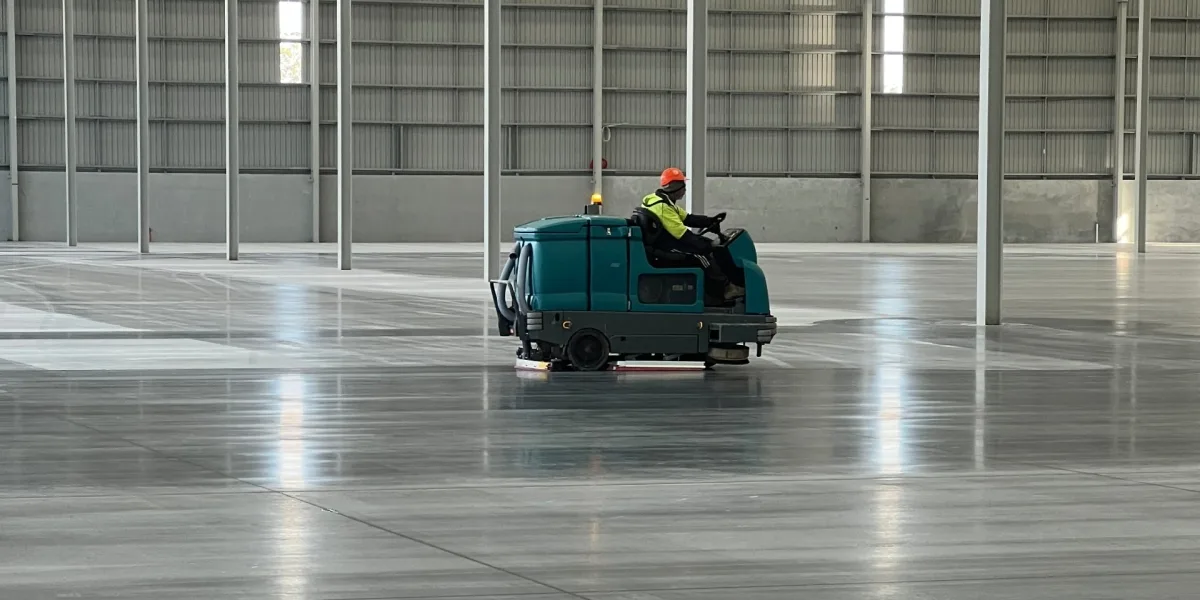
Park sweeping focuses on collecting loose debris from driving lanes, parking bays, access roads, and other open areas. Depending on the site, cleaning may be completed with suitable sweeping equipment or manual tools.
Mechanical sweeping can help cover large spaces efficiently, while manual cleaning is useful around tight corners, steps, bollards, and other areas that equipment cannot easily reach.
The aim is to remove waste without spreading it into nearby gardens, walkways, or drains.
Cleaning Kerbs and Hard to Reach Areas
Dirt often gathers along kerbs, around wheel stops, beside fences, and near the bases of light poles. These areas can be overlooked when cleaning focuses only on open driving lanes.
A complete cleaning plan should include these edges and corners. Regular attention helps prevent small piles of leaves and rubbish from building up over time.
Maintaining Entrances and Pedestrian Routes
Entrances, footpaths, ramps, and walkways deserve special attention because people use them throughout the day. Keeping these areas clear supports easier movement between vehicles and buildings.
Cleaning teams should also consider accessible parking spaces, pedestrian crossings, loading zones, and areas near lifts or building entrances. These locations may need more frequent attention because of their high level of use.
Why Car Park Cleaning on the Gold Coast Needs Regular Attention
The Gold Coast has a mix of coastal businesses, retail centres, residential complexes, tourist destinations, and commercial facilities. Each type of property has different cleaning needs, but local weather and daily activity can affect them all.
Coastal Weather and Wind
Wind can carry leaves, sand, dust, and light rubbish into parking areas. Properties near the coast may also experience sand moving across open spaces and gathering around kerbs or entrances.
Regular car park cleaning Gold Coast property managers arrange can help control this buildup. Cleaning schedules should reflect the location of the site and the amount of debris it typically receives.
Rain and Drainage Concerns
Heavy rain can move leaves and litter toward drainage points. When this waste collects around grates and channels, it may restrict water flow and contribute to localised pooling.
Sweeping helps remove loose debris before rainfall carries it into drains. Drainage systems should still be inspected and cleared separately when needed, especially after storms or periods of heavy rain.
Busy Commercial and Tourist Areas
Shopping centres, hotels, entertainment venues, and busy commercial properties can experience high vehicle and pedestrian traffic. More activity usually means more litter, dirt, and general wear.
These sites may need daily attention in selected areas, with more extensive sweeping scheduled at quieter times. A cleaning plan based on actual site conditions is more useful than following the same schedule for every property.
How Often Should a Car Park Be Swept?
There is no single schedule that works for every car park. The right frequency depends on the size of the area, traffic levels, nearby landscaping, weather conditions, and the expectations of the property owner.
Daily, Weekly, or Scheduled Cleaning
Busy retail centres, supermarkets, and transport facilities may need daily cleaning in high use areas. Smaller office car parks with limited traffic may only need regular weekly sweeping, supported by checks for unexpected litter.
Residential complexes can often follow a planned schedule based on the number of residents, visitor activity, and surrounding trees. Properties that experience frequent leaf fall or windblown sand may need additional visits during certain seasons.
Signs That More Frequent Cleaning Is Needed
Property managers should review their schedule if rubbish regularly accumulates between visits or if customers and staff frequently report dirty parking areas.
Other signs include blocked drainage grates, visible dust along kerbs, leaves gathering around entrances, and litter collecting in parking bays. Adjusting the schedule early can prevent the site from becoming difficult to maintain.
Choosing a Park Sweeping Service
Selecting a suitable cleaning provider involves more than comparing prices. Property managers should consider the size of their site, the equipment required, the provider's experience, and the cleaning tasks included in the service.
Check the Scope of Work
Before arranging a service, confirm which areas will be cleaned. The agreement should clearly explain whether sweeping includes parking bays, access roads, kerbs, loading zones, entrances, and pedestrian paths.
It is also helpful to confirm how waste will be collected and disposed of. Clear expectations reduce misunderstandings and make it easier to assess the quality of the work.
Consider Site Access and Timing
Cleaning should be scheduled to minimise disruption to customers, staff, residents, and deliveries. Some properties are easier to clean before opening hours, while others may need work completed in stages.
The provider should understand traffic patterns, access restrictions, pedestrian movement, and any site specific safety requirements. For busy properties, a practical schedule can help maintain cleanliness without interrupting normal operations.
Look for Consistent Service
Reliable cleaning depends on consistency. Property managers should look for a provider that communicates clearly, follows the agreed schedule, and responds appropriately when additional cleaning is needed.
Regular inspections and feedback can help identify missed areas and improve the cleaning plan over time.
Combining Sweeping With Other Cleaning Tasks
Sweeping is an important part of car park maintenance, but some surfaces need additional treatment. Stubborn marks, oil stains, built up grime, and spills may not be removed through ordinary sweeping alone.
Depending on the condition of the site, pressure washing or other suitable cleaning methods may be useful. These tasks should be planned carefully to avoid creating slippery surfaces, damaging pavement, or allowing dirty water to enter stormwater drains.
Property managers should also arrange separate repairs for damaged pavement, worn line markings, poor lighting, and drainage problems. Keeping the area clean makes these concerns easier to identify, but cleaning cannot replace essential maintenance.
Conclusion
Regular park sweeping helps commercial and residential properties maintain cleaner parking areas, improve their appearance, and manage the everyday buildup of dust, leaves, and litter. On the Gold Coast, coastal winds, rainfall, and busy commercial activity can make a consistent cleaning schedule especially valuable. The best approach is to assess the property's needs, focus on high traffic areas, and adjust the schedule when conditions change.
For businesses and property managers seeking dependable car park cleaning Gold Coast services, Sweep & Scrub can help support a cleaner and more presentable parking environment. With a suitable maintenance plan and regular attention to overlooked areas, property owners can keep their car parks looking cared for and ready for daily use.


