
Rust is a common problem in industries that work with metal components, machinery, automotive parts, and industrial equipment. Over time, exposure to moisture, oxygen, and harsh environmental conditions can cause metal surfaces to develop rust and corrosion. Traditional cleaning methods often require chemicals, abrasive materials, or extensive manual labor. Today, laser technology offers a modern approach to removing rust while preparing metal surfaces for further processing.
A rust cleaning laser uses concentrated laser energy to remove unwanted rust, oxidation, and surface contaminants from suitable metal materials. This technology is becoming increasingly popular among manufacturers, workshops, maintenance teams, and metal fabrication businesses seeking consistent cleaning results.
What Is a Rust Cleaning Laser?
A rust cleaning laser is a specialized machine designed to remove corrosion from metal surfaces using controlled laser pulses or continuous laser energy, depending on the system. The laser interacts with the unwanted surface layer, helping detach or remove rust without relying on conventional abrasive blasting media.
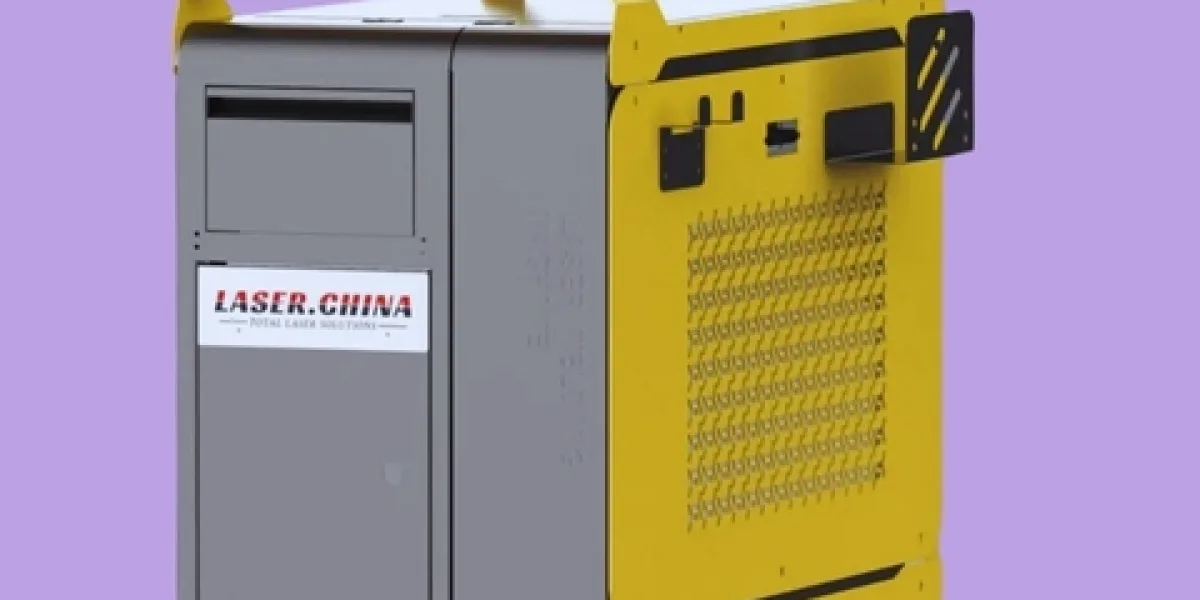
Laser cleaning equipment is available in different configurations, including handheld, portable, and industrial systems. Each type serves different applications, from cleaning small metal components to treating larger industrial structures.
Before selecting equipment, businesses should evaluate the type of metal, the thickness of the rust layer, the required cleaning speed, and the condition of the underlying surface.
How Does Laser Rust Removal Work?
Laser rust removal works by directing a controlled beam of light onto a contaminated surface. Rust and other unwanted layers absorb the laser energy, allowing the machine to remove or loosen the contamination through processes such as ablation or thermal effects.
The exact cleaning mechanism depends on the laser source, operating parameters, surface condition, and material properties. When the machine is configured correctly, operators can remove rust while limiting unwanted effects on the underlying metal.
Several factors influence cleaning performance:
-
Laser power: Determines the energy available for removing stubborn corrosion.
-
Scanning speed: Affects how long the laser interacts with each section of the surface.
-
Beam characteristics: Influence the cleaning area and energy distribution.
-
Rust thickness: Heavy corrosion may require multiple passes or different operating settings.
-
Material type: Steel, iron, and other metals may respond differently to laser exposure.
Proper parameter selection is essential for achieving reliable results without damaging the workpiece.
Common Applications Across Industries
A rust cleaning laser can support a wide range of metal preparation and maintenance tasks. Its versatility makes it suitable for businesses that need to remove corrosion from components before repair, coating, welding, or inspection.
Automotive and Vehicle Maintenance
Automotive workshops can use laser cleaning to treat selected metal components, brackets, frames, and restoration parts. Removing rust before refinishing helps prepare the surface for subsequent treatments. Operators should carefully assess thin panels and sensitive components to avoid overheating or surface damage.
Manufacturing and Metal Fabrication
Manufacturers often need clean metal surfaces before welding, painting, bonding, or assembly. Laser cleaning can remove localized rust and oxidation, helping create a more consistent surface preparation process.
Industrial Equipment Maintenance
Pipelines, machinery components, tools, and metal structures may develop corrosion during operation or storage. Appropriate laser systems can help maintenance teams clean accessible areas and prepare equipment for inspection or refurbishment.
Marine and Heavy Equipment
Marine environments and outdoor working conditions can accelerate corrosion. Laser cleaning may be useful for selected metal parts during maintenance and restoration, provided the equipment is appropriate for the workpiece size, contamination level, and operating environment.
Choosing the Right Laser Cleaning Machine
Selecting suitable equipment requires more than comparing laser power or purchase prices. Businesses should begin by identifying their main cleaning tasks and expected workload.
A handheld system may be appropriate for localized cleaning, irregular surfaces, and maintenance work. A portable machine can support teams that need to move equipment between workstations or job sites. For production environments with repetitive cleaning requirements, an industrial system with automated motion or integrated controls may be more suitable.
When comparing machines, review the manufacturer's specifications, laser source, scanning range, cooling method, control system, service support, and consumable requirements. Ask suppliers for demonstrations using representative samples of your actual material and rust conditions.
It is also important to calculate the total operating cost, including electricity, maintenance, operator training, safety equipment, and production downtime. These factors help determine whether the machine fits your business requirements.
Rust Cleaning Laser Compared With Traditional Methods
Traditional rust removal techniques include wire brushing, grinding, abrasive blasting, and chemical treatments. Each method has specific applications and operating requirements.
Mechanical methods can be practical for basic maintenance, while abrasive blasting may be suitable for larger surfaces when the correct equipment and containment are available. Chemical rust removal can help with certain components but requires appropriate handling, storage, and disposal procedures.
Laser cleaning offers a different approach by using controlled light energy rather than relying on conventional abrasive media. However, it is not automatically the best choice for every project. Surface geometry, coating requirements, contamination levels, production speed, and equipment costs should guide the final decision.
Testing the cleaning process before full-scale implementation helps confirm the required surface condition and identify suitable operating parameters.
Safety and Maintenance Considerations
Laser cleaning equipment requires strict safety procedures. High-powered laser beams can cause serious eye and skin injuries, and reflected radiation may present hazards even when the beam is not directed toward the operator. Use an appropriately controlled laser work area, suitable wavelength-rated protective eyewear, trained operators, and the manufacturer's specified safety measures.
Rust and coatings may also release hazardous particles or fumes during cleaning. Appropriate local exhaust ventilation, filtration, and a risk assessment are essential, particularly when removing old paint or unknown surface treatments.
Routine maintenance should include inspecting optical components, checking cooling systems, keeping the work area clean, and following the manufacturer's service schedule. Regular inspections help maintain consistent performance and reduce unexpected interruptions.
Final Thoughts
Laser technology is creating new possibilities for metal surface preparation by providing a controlled method of removing rust and selected contaminants. For manufacturers, repair workshops, and industrial maintenance teams, a rust cleaning laser can be a valuable option when conventional cleaning methods do not meet specific process requirements.


