
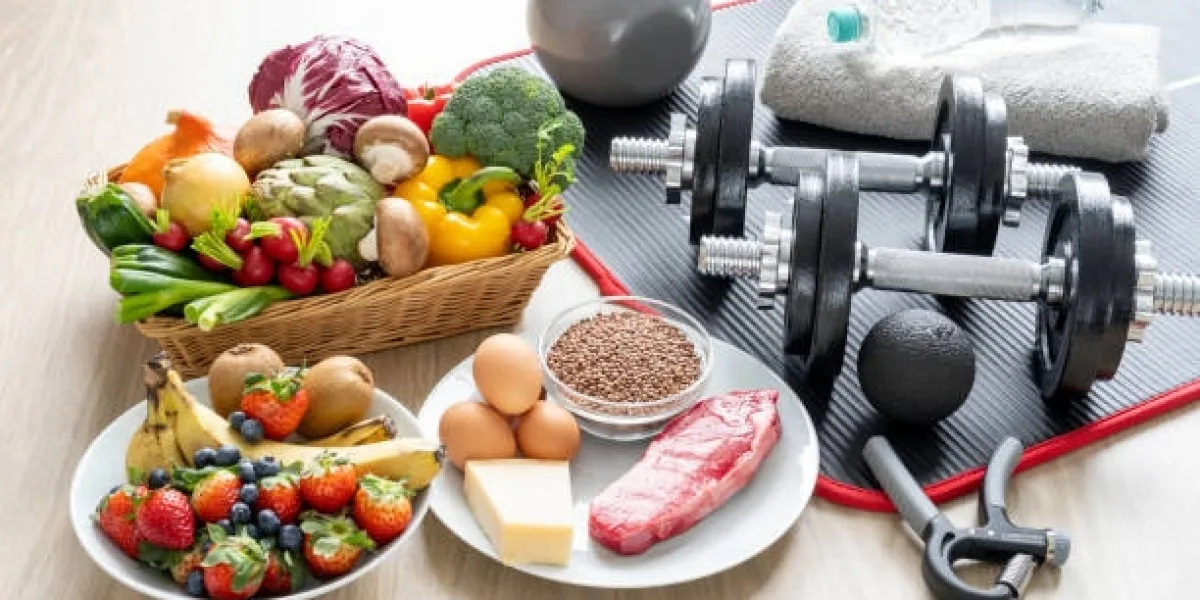
Sports nutrition products are designed to support individuals before, during, or after physical activity and include protein supplements, energy drinks, nutrition bars, sports beverages, and other specialized products. In Colombia, the category is increasingly reaching consumers beyond professional athletes as fitness participation, active lifestyles, wellness awareness, and interest in muscle recovery become more prominent. Product accessibility through health stores, gyms, retailers, and digital channels is also influencing purchasing behavior.
The Colombia sports nutrition industry study examines industry dynamics, consumer behavior, product segments, regional opportunities, distribution channels, competitive developments, and major companies. The report highlights increasing participation in sports and fitness activities, greater emphasis on healthy and active lifestyles, demand for protein supplements and energy products, technological developments, and changing consumer preferences as important factors shaping industry development.
Fitness Culture Expands the Consumer Base
Sports nutrition is increasingly moving beyond its traditional association with professional athletes. Consumers participating in gyms, recreational sports, running, cycling, functional training, and other physical activities are becoming potential users of sports nutrition products.
The Colombian Ministry of Sport conducted its ENAFIS 2025 national survey to obtain updated information about physical-activity and sedentary behaviors across the country. The survey covered all 32 departments and involved nearly 30,000 respondents, demonstrating the growing institutional focus on understanding and promoting physical activity. Colombia's national physical-activity survey provides additional context on this national emphasis.
Protein Products Maintain Strong Demand
Protein supplements are an important component of sports nutrition because consumers use them to complement dietary protein intake and support fitness-oriented routines. Protein powders, ready-to-drink products, and protein bars provide different options depending on convenience and consumption preferences.
The Markntel Advisor study identifies increasing demand for protein supplements as a key opportunity within Colombia. Broader industry research also indicates that protein formulations are increasingly consumed by people interested in general health and muscle maintenance rather than exclusively by athletes.
This broadening consumer base can encourage manufacturers to develop products for different levels of physical activity and nutritional requirements.
Convenience Shapes Product Development
Convenience is becoming increasingly important as consumers balance work, exercise, commuting, and other daily responsibilities. Protein powder can require preparation and measurement, while ready-to-drink beverages and nutrition bars can be consumed more easily outside the home.
This is encouraging manufacturers to introduce portable packaging, single-serving products, resealable containers, and ready-to-consume formulations.
Convenient products can also help sports nutrition brands reach consumers who exercise occasionally rather than following intensive training programs.
Health Awareness Broadens Consumption
Increasing awareness of healthy lifestyles is supporting sports nutrition adoption. Consumers are paying greater attention to protein intake, physical fitness, body composition, recovery, and overall wellness.
This trend is also reflected in Colombia's broader dietary-supplement environment. Euromonitor reports that supplement demand in Colombia is being supported by more active lifestyles and increasing awareness of healthy habits.
Sports nutrition brands can therefore position products around broader wellness needs while maintaining clear distinctions between nutritional supplementation and medical treatment.
Energy Products Support Active Lifestyles
Energy drinks and other performance-oriented products provide consumers with convenient options before or during physical activities. These products can appeal to athletes as well as individuals participating in recreational exercise and demanding daily routines.
Manufacturers are experimenting with different flavors, formulations, package sizes, and functional ingredients to differentiate their offerings.
However, product formulation and responsible communication remain important because consumers may have different sensitivities and nutritional requirements.
Nutrition Bars Offer Portability
Nutrition bars provide another convenient format for consumers seeking portable sports nutrition. They can be carried in gym bags, backpacks, workplaces, and vehicles and consumed without preparation.
Protein, carbohydrate, and energy-focused formulations allow brands to address different usage occasions.
Bars can also appeal to consumers who are not athletes but want convenient snacks containing protein or other nutritional components. This creates opportunities for brands to position products around everyday active lifestyles.
Social Media Influences Product Discovery
Digital platforms are becoming increasingly important for sports nutrition brands. Social media can expose consumers to workout routines, nutrition information, product demonstrations, athlete partnerships, and fitness influencers.
Industry research identifies social networks as one factor expected to support future sports nutrition demand in Colombia.
Influencer-led marketing can help brands communicate product usage and build communities around fitness. At the same time, companies need to ensure that nutritional and performance claims are accurate and appropriately supported.
Specialized Retail Remains Important
Health and personal-care stores represent an important distribution channel for sports nutrition products. These outlets can provide consumers with access to specialized products and knowledgeable assistance when selecting supplements.
Gyms and fitness centers can also serve as important touchpoints because consumers are already engaged in exercise-related activities when encountering sports nutrition products.
Supermarkets, convenience stores, pharmacies, and online platforms provide additional routes to consumers as the category expands beyond specialized fitness environments.
Regulation Supports Consumer Protection
Sports nutrition products that fall under Colombia's dietary-supplement framework are subject to regulatory requirements. INVIMA oversees areas including manufacturing, commercialization, sanitary registration, labeling, quality control, and sanitary surveillance.
The INVIMA regulations for dietary supplements establish requirements designed to protect consumers and regulate nutritional and health-related claims.
Compliance is particularly important for sports nutrition because consumers may associate products with performance, recovery, muscle development, or other outcomes.
Personalized Nutrition Creates Opportunities
Technology is creating opportunities for more personalized nutrition recommendations. Consumers increasingly use mobile applications, wearable devices, fitness platforms, and digital health tools to monitor activity and dietary habits.
Sports nutrition companies can potentially use these technologies to provide product recommendations based on workout routines, dietary preferences, and individual goals.
Personalization can strengthen customer engagement while helping brands differentiate themselves in a competitive category.
Domestic and International Brands Compete
The competitive environment includes Optimum Nutrition, Glanbia Plc, Abbott Laboratories, The Coca-Cola Company, and Nestlé S.A., among other participants identified in the Markntel Advisor study.
Competition is influenced by product quality, formulation, pricing, brand recognition, distribution, flavor variety, packaging, marketing, and innovation.
Domestic companies can benefit from local consumer knowledge, while international brands can leverage established product portfolios and global fitness positioning.
Conclusion
Colombia's sports nutrition industry is developing through fitness participation, health awareness, protein demand, convenience, social-media influence, specialized retail, and technology-enabled personalization.
Protein supplements remain important, while energy products and nutrition bars are broadening the category through convenient formats. Sports nutrition is also reaching consumers beyond professional athletes as recreational fitness and active lifestyles become more prominent.
At the same time, pricing, regulatory compliance, consumer education, and responsible product communication remain important considerations. Companies that combine effective formulations, convenient formats, credible nutritional information, strong distribution, digital engagement, and personalized consumer experiences can strengthen their position as Colombia's sports nutrition landscape continues to evolve.


