
Introduction
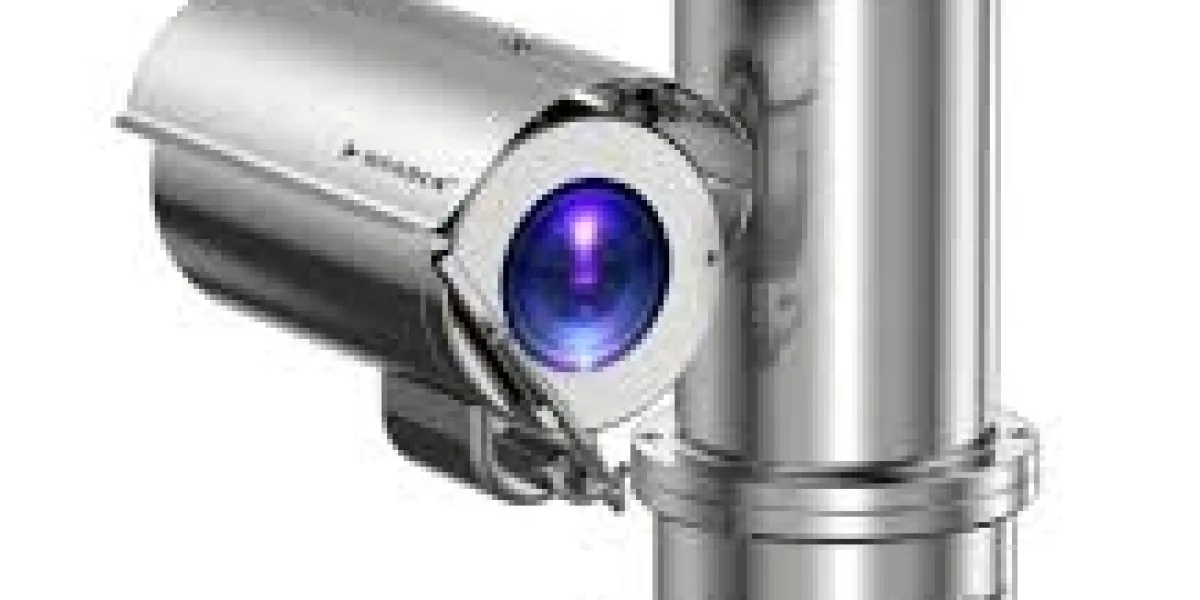
An explosion proof camera is a specialized surveillance device designed for use in environments where flammable gases, combustible dust, or other hazardous substances may create a risk of fire or explosion. In the United States, these cameras are used in industrial facilities where continuous monitoring is necessary to support workplace safety, operational visibility, and security. Unlike ordinary surveillance equipment, an explosion proof camera is engineered with protective construction intended to prevent internal electrical or thermal ignition sources from igniting a surrounding hazardous atmosphere when the equipment is properly selected and installed.
Industries that handle volatile materials require reliable monitoring systems capable of operating under demanding conditions. Explosion proof cameras help personnel observe production areas, inspect equipment, monitor restricted zones, and identify unusual activities without requiring constant physical presence in potentially dangerous locations.
What Is an Explosion Proof Camera?
An explosion proof camera is a video surveillance device built within an enclosure designed to contain a potential internal explosion and prevent it from igniting the surrounding atmosphere under its specified conditions of use. Its construction may include reinforced metal housings, specialized cable entries, sealed joints, and components designed for hazardous locations.
The term does not mean that a camera can withstand every possible explosion or operate safely in every hazardous environment. Its suitability depends on the applicable certifications, hazardous-area classification, temperature rating, installation requirements, and environmental conditions.
In the United States, equipment selection often involves reviewing relevant National Electrical Code requirements, applicable National Fire Protection Association standards, and certification requirements established by recognized testing organizations. The specific classification depends on the substances present and the conditions in which the camera will operate.
Common Industrial Applications
Explosion proof cameras are used across several American industries where hazardous atmospheres may occur.
Oil and Gas Facilities
Oil refineries, drilling operations, gas processing plants, and storage terminals may contain flammable gases or vapors. An explosion proof camera can help operators monitor pipelines, valves, processing equipment, loading areas, and other critical locations. Video monitoring can also support remote observation of areas that require restricted access.
Chemical Manufacturing Plants
Chemical facilities frequently handle substances that may release combustible vapors or create hazardous atmospheres. Cameras designed for these environments allow personnel to observe production processes, storage areas, and equipment operations while following established safety procedures.
Manufacturing and Processing Facilities
Certain manufacturing environments generate combustible dust from materials such as grain, sugar, wood, or fine industrial powders. Where the hazardous-area assessment requires appropriately rated equipment, explosion proof cameras can support surveillance and process observation.
Pharmaceutical and Food Processing
Some pharmaceutical production and food processing operations involve combustible powders, solvents, or other potentially hazardous materials. Suitable camera systems can help monitor work areas, equipment movement, and access points while meeting the facility's applicable safety requirements.
Important Features of an Explosion Proof Camera
The design and capabilities of an explosion proof camera depend on its intended application. Several characteristics require careful consideration.
Certified Protective Enclosure
The enclosure is a fundamental component of the camera's safety design. It must meet the requirements applicable to the intended hazardous location. Materials, joints, fasteners, and cable-entry arrangements must be compatible with the equipment's certification and installation instructions.
Image Quality and Night Vision
Clear images help operators identify equipment conditions, personnel movement, and unusual events. Resolution, lens selection, lighting conditions, and low-light performance influence the usefulness of recorded footage. Infrared illumination must also be suitable for the intended hazardous environment.
Environmental Protection
Industrial cameras may be exposed to rain, humidity, dust, vibration, temperature fluctuations, and corrosive substances. Appropriate ingress protection and environmental ratings help determine whether a particular model can withstand the operating conditions.
Connectivity and Remote Monitoring
Depending on the design, an explosion proof camera may support wired network connections, video management systems, remote viewing, and recording equipment. Network architecture and communication components must be evaluated separately to ensure that the complete installation remains suitable for the hazardous location.
Understanding US Hazardous-Area Requirements
Selecting an explosion proof camera in the United States requires an understanding of how hazardous locations are classified. Under the National Electrical Code, hazardous locations may be identified using Class, Division, and Group designations or the applicable Zone classification system.
Class I locations involve flammable gases or vapors, while Class II locations involve combustible dust. Class III locations involve ignitable fibers or flyings. Divisions distinguish between different likelihoods of hazardous substances being present, while Groups identify particular substance categories.
The camera's certification and temperature classification must correspond to the specific location. A device suitable for one gas group or dust environment may not be suitable for another. Facility operators should consult qualified electrical professionals and the applicable documentation before installation.
Installation and Maintenance Considerations
Proper installation is essential to maintaining the protective function of an explosion proof camera. Qualified personnel should verify the hazardous-area classification, equipment certification, mounting arrangements, wiring methods, grounding, and cable-entry fittings.
Enclosures should not be modified, drilled, or opened in ways that compromise their certified construction. Maintenance should follow the manufacturer's documented procedures and applicable safety requirements. Inspections can identify damaged seals, corrosion, loose connections, obstructed lenses, and other conditions that may affect performance.
Routine testing of video feeds, recording systems, network connections, and backup arrangements helps ensure that surveillance remains available when required.
Benefits for Industrial Safety
An explosion proof camera can improve visibility across hazardous work areas by allowing personnel to observe operations remotely. Recorded footage may support incident reviews, operational investigations, access monitoring, and the identification of unsafe conditions.
However, cameras are only one part of a broader safety program. They do not replace hazard assessments, gas detection, emergency shutdown systems, protective equipment, employee training, or established operating procedures.
Conclusion
Explosion proof cameras serve an important role in surveillance systems used in hazardous industrial environments throughout the United States. Their value depends on appropriate certification, correct hazardous-area classification, suitable environmental protection, and professional installation. By combining properly rated equipment with regular maintenance and established safety procedures, industrial facilities can improve remote visibility while maintaining attention to the risks associated with flammable gases, vapors, and combustible dust.


