
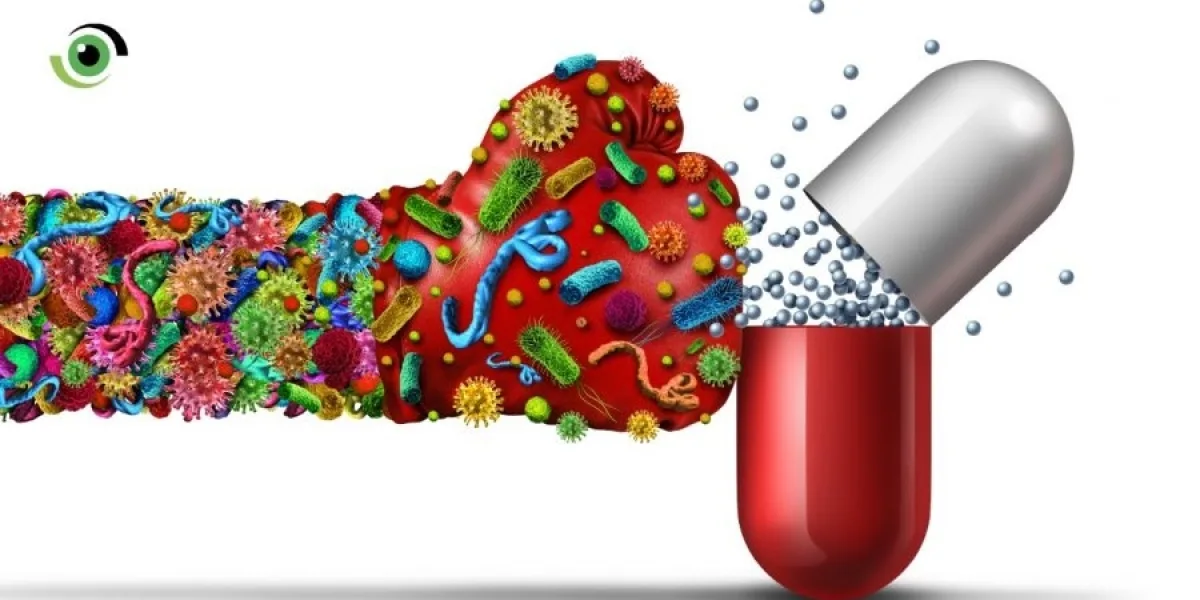
Antimicrobial resistance (AMR) is becoming one of the most serious challenges facing healthcare systems around the world. Medicines that once worked well against infections are becoming less effective as microorganisms develop the ability to survive treatment. Understanding the causes of antimicrobial resistance is important because it helps healthcare professionals patients policymakers farmers and communities take better steps to slow its spread.
Antimicrobial resistance can affect bacteria viruses fungi and parasites. Although resistance can develop naturally over time human activities can speed up this process especially when antimicrobial medicines are used incorrectly or unnecessarily. The World Health Organization identifies misuse and overuse of antimicrobials poor infection prevention limited access to quality medicines and diagnostics and inadequate water sanitation and hygiene as important drivers of AMR.
What Is Antimicrobial Resistance?
Antimicrobial resistance occurs when microorganisms change over time and stop responding properly to medicines designed to treat them. For example bacteria can become resistant to antibiotics while fungi can develop resistance to antifungal medicines.
When this happens an infection that was previously easy to treat may require different medicines longer treatment or more complex medical care. In serious cases treatment options can become very limited.
AMR is not only a problem inside hospitals. Resistant microorganisms can move between people animals food and the environment. This is why tackling AMR requires a coordinated One Health approach involving human health animal health agriculture and environmental sectors.
Major Causes of Antimicrobial Resistance
There is no single cause of AMR. Several factors work together to increase the development and spread of resistant microorganisms.
Overuse of Antimicrobial Medicines
One of the leading causes of antimicrobial resistance is using antimicrobial medicines more often than necessary.
Antibiotics for example are designed to treat bacterial infections. They do not treat viral illnesses such as most colds and flu. However antibiotics may sometimes be used when they are not medically needed.
Every unnecessary exposure to an antimicrobial can create conditions that allow resistant microorganisms to survive and multiply. Over time this can make medicines less effective.
Responsible prescribing and proper diagnosis are therefore essential parts of the fight against AMR.
Incorrect Use of Antibiotics and Other Antimicrobials
Using the wrong medicine wrong dose or wrong treatment duration can also contribute to resistance.
People may sometimes take antibiotics without professional advice use medicine prescribed for someone else or stop treatment when they begin to feel better. These practices can interfere with appropriate treatment and may contribute to the survival of microorganisms that are harder to eliminate.
Healthcare professionals also play an important role by selecting appropriate medicines based on the patient's condition available diagnostic information and treatment guidelines.
Self-Medication and Easy Access to Medicines
Self-medication is another important concern particularly where people can obtain antimicrobial medicines without appropriate medical assessment.
A person may assume that a particular infection requires an antibiotic simply because the medicine helped them in the past. However similar symptoms can have different causes and the same medicine may not be appropriate.
Without proper diagnosis and professional guidance unnecessary or inappropriate antimicrobial use can increase the pressure that encourages resistance.
Improving public awareness and strengthening responsible medicine use are therefore important parts of AMR prevention.
Poor Infection Prevention and Control
Poor infection prevention can make it easier for resistant microorganisms to spread.
In healthcare facilities inadequate hand hygiene poor cleaning practices improper sterilization unsafe procedures overcrowding and weak infection prevention and control systems can increase transmission.
This means that fighting AMR is not only about using medicines correctly. Preventing infections in the first place is equally important.
Strong infection prevention and control programmes can reduce the number of infections that require antimicrobial treatment and limit the spread of resistant organisms. WHO also identifies inadequate infection prevention and control as a major factor in the emergence and spread of AMR.
Poor Water Sanitation and Hygiene
Unsafe water and inadequate sanitation can contribute to the spread of infectious diseases. When more people become infected the demand for antimicrobial treatment can increase.
Poor sanitation can also allow resistant microorganisms and antimicrobial residues to enter the environment. These organisms may move through water soil food systems and communities.
Improving clean water sanitation and hygiene is therefore an important part of preventing infections and reducing the spread of antimicrobial resistance.
Inappropriate Use of Antimicrobials in Animals and Agriculture
AMR is not limited to human medicine. Antimicrobial medicines are also used in animal health and agriculture.
When medicines are used unnecessarily or incorrectly in animals resistant microorganisms can develop and spread. These organisms can potentially move between animals humans food and the environment.
For this reason responsible antimicrobial use in veterinary medicine and agriculture is an important part of the One Health approach to AMR.
WHO emphasizes that AMR is driven across human health animal health agriculture and environmental sectors making cooperation between these areas essential.
Poor-Quality or Falsified Medicines
Access to quality-assured medicines is another important part of the AMR response.
If a medicine does not contain the correct active ingredient has poor quality or is improperly stored treatment may not work as expected. This can create opportunities for infections to persist and may contribute to the wider problem of resistance.
Strong medicine regulation quality control appropriate storage and reliable supply systems can help reduce these risks.
Limited Access to Diagnostic Testing
Accurate diagnosis can help healthcare professionals understand what is causing an infection and determine the most appropriate treatment.
When diagnostic services are unavailable delayed or difficult to access treatment may sometimes be based mainly on symptoms. This can increase the chance of inappropriate antimicrobial use.
Improving laboratory capacity and diagnostic access can support more targeted treatment and reduce unnecessary antimicrobial exposure.
Lack of Public Awareness
People cannot make responsible decisions about antimicrobial medicines if they do not understand AMR.
Some people may believe that antibiotics can treat every infection or that stronger antibiotics are always better. Others may not understand the risks of sharing medicines using leftover antibiotics or stopping treatment without professional advice.
Public education can help communities understand when antimicrobials are needed why they should be used carefully and how infections can be prevented.
Weak Surveillance and Regulation
AMR surveillance helps health authorities understand which microorganisms are becoming resistant where resistance is occurring and which medicines are becoming less effective.
Weak surveillance can make it harder to identify emerging resistance patterns and respond quickly. Similarly weak enforcement of regulations around antimicrobial sales and use can make inappropriate use more difficult to control.
Strong surveillance regulation research and collaboration are therefore essential components of an effective AMR response.
How Can the Causes of Antimicrobial Resistance Be Reduced?
Reducing AMR requires action from many parts of society. Healthcare professionals can follow evidence-based prescribing practices and use antimicrobial stewardship programmes. Laboratories can strengthen testing and reporting. Healthcare facilities can improve infection prevention and control.
Patients and communities can avoid self-medication and use antimicrobial medicines only according to professional advice. Farmers and veterinary professionals can promote responsible antimicrobial use in animals and agriculture.
Governments and public health organizations can strengthen surveillance regulation education laboratory systems and national AMR programmes.
Antimicrobial stewardship is particularly important because it promotes the responsible selection and use of antimicrobial medicines while ensuring that patients receive appropriate treatment. WHO identifies antimicrobial stewardship as an important tool for addressing inappropriate antimicrobial use.
The Role of NNAST in Nigeria's AMR Response
Nigeria needs coordinated action to address the growing threat of antimicrobial resistance. The Nigerian National Antimicrobial Stewardship TaskForce (NNAST) supports efforts to strengthen antimicrobial stewardship awareness surveillance research education and responsible antimicrobial use.
By bringing healthcare professionals and other stakeholders together NNAST contributes to a stronger national response to AMR. This type of collaboration is important because the causes of antimicrobial resistance are connected across healthcare communities animals agriculture and the environment.
Building stronger antimicrobial stewardship programmes and improving public understanding can help Nigeria protect the effectiveness of medicines for current and future generations.
Conclusion
The causes of antimicrobial resistance are closely connected to how antimicrobial medicines are used how infections are prevented and how healthcare and public health systems operate. Overuse and misuse of medicines self-medication poor infection prevention inadequate sanitation inappropriate use in animals and agriculture poor-quality medicines limited diagnostics lack of awareness and weak surveillance can all contribute to the problem.
AMR cannot be solved by one group alone. Healthcare professionals patients communities policymakers laboratories farmers veterinarians and public health organizations all have a role to play.
By using antimicrobial medicines responsibly preventing infections strengthening surveillance improving diagnostics and supporting antimicrobial stewardship Nigeria can take meaningful steps toward slowing antimicrobial resistance and protecting the effectiveness of life-saving medicines.


