
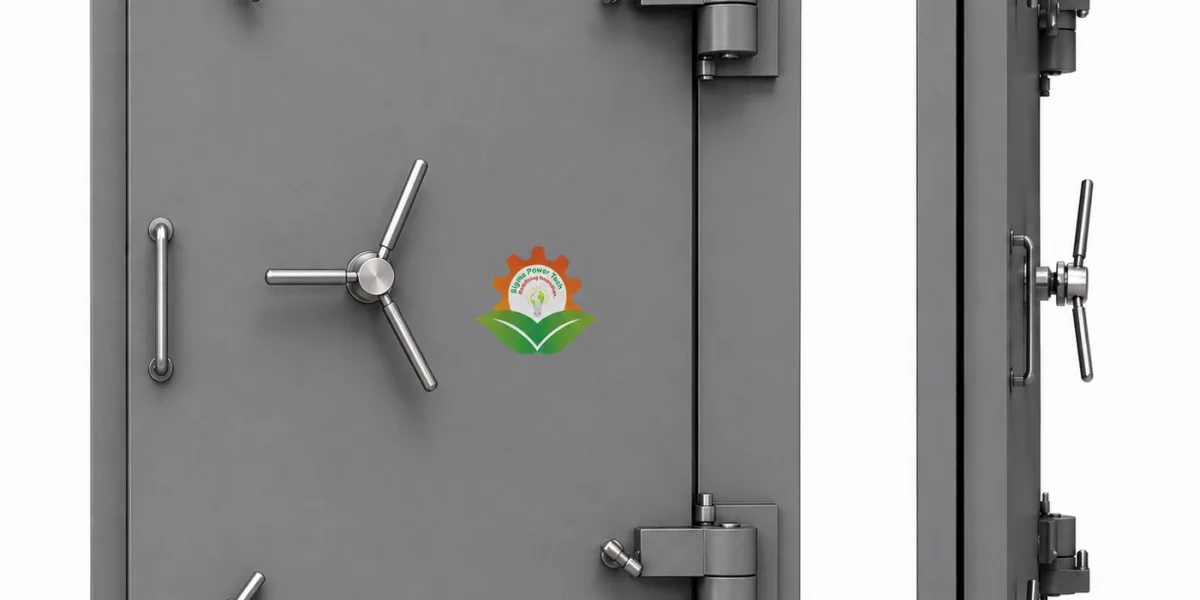
At first glance, the procurement team expected every Blast proof door to have a standard market price. However, once the structural assessment began, they discovered that blast ratings, wall construction, door dimensions, automation, and certification requirements significantly influenced the final cost. The project reinforced an important lesson: the price of a blast-proof door depends on engineering requirements rather than the door alone.
A Blast proof door is one of the most critical components of blast-resistant infrastructure used in defence facilities, embassies, oil and gas plants, power stations, and hazardous industrial sites. While many buyers initially focus on the blast door price, long-term value is determined by certified performance, structural integration, and lifecycle reliability. Understanding what drives cost helps organisations invest wisely without compromising safety.
What is a Blast Proof Door and Why Does It Cost More?
A Blast proof door is a specially engineered protective system designed to resist explosive pressure waves while maintaining structural integrity. Unlike conventional steel or fire-rated doors, it is manufactured as part of a complete protective assembly that includes a reinforced door leaf, structural frame, heavy-duty hinges, locking systems, anchor assemblies, airtight seals, and supporting wall reinforcement.
Every blast door design is based on engineering calculations that consider blast pressure, stand-off distance, occupancy, operational requirements, and structural performance. These calculations directly influence material selection, fabrication methods, and testing requirements, making each project unique.
Understanding Blast Door Price Factors
There is no universal market price because every installation is engineered for a specific threat level.
What Determines the Final Cost?
Several technical and project-specific factors influence the blast door price:
- Required blast rating or pressure class
- Door size and opening configuration
- Steel grade and plate thickness
- Reinforced frame and anchoring design
- Testing and certification requirements
- Fire resistance and airtight sealing
- Automation and access control systems
- Installation complexity
- Site-specific structural assessment
- Long-term inspection and maintenance planning
Higher-rated doors generally require thicker structural components, stronger hardware, and more comprehensive engineering, which naturally increases manufacturing and installation costs.
Blast Pressure Ratings and Certification
The blast rating is one of the biggest cost drivers.
Certified blast resistant doors are designed and tested to withstand defined blast pressures and impulses. Engineering verification typically includes:
- Blast pressure resistance
- Structural deformation limits
- Door leaf integrity
- Frame performance
- Locking mechanism strength
- Hinge durability
- Operational functionality after blast exposure
Compliance with recognised IS/BIS requirements and international blast standards adds engineering, laboratory testing, and documentation costs but provides confidence that the system will perform as intended.
Choosing a lower-cost, uncertified product may reduce initial expenditure but can significantly increase operational risk.
Structural Performance and Installation Costs
The door itself represents only one part of the investment.
Reliable blast resistant door systems require engineered integration with the surrounding structure. Proper performance depends on reinforced frames, high-capacity anchor bolts, concrete strength, weld quality, and accurate installation tolerances.
If structural modifications are required during installation, project costs may increase. However, these measures are essential to ensure that blast loads are safely transferred into the building.
Fire Resistance and Multi-Hazard Protection
Many industrial and defence facilities require protection against more than blast loads alone.
Modern explosion proof doors and blast-resistant systems may incorporate:
- Fire-resistant construction
- Smoke containment
- Corrosion-resistant finishes
- Airtight sealing
- Forced-entry protection
- Environmental durability
Adding these capabilities increases manufacturing complexity but enhances long-term safety and operational resilience.
Automation and Access Control Integration
Security systems also influence overall project cost.
Many blast doors integrate with:
- Biometric authentication
- RFID access control
- Building Management Systems (BMS)
- Remote monitoring
- Emergency lockdown systems
- Fire alarm interfaces
- Automatic opening mechanisms
Although automation raises the initial investment, it improves operational efficiency and future-proofs the facility.
Maintenance and Long-Term Value
A properly maintained blast door delivers reliable protection over many years.
Routine inspections should include hinges, locking systems, seals, anchor points, coatings, structural connections, and automation components.
Preventive maintenance helps preserve certified performance, reduce unexpected repair costs, and extend the operational life of the installation. When lifecycle costs are considered, high-quality engineered systems often prove more economical than lower-priced alternatives.
Key Features That Add Value
A quality blast protection system should provide:
- High structural strength
- Certified blast pressure rating
- Corrosion-resistant construction
- Fire-resistant capability
- Airtight sealing
- Security-grade locking systems
- Reinforced hinges and structural frames
- Long operational lifespan
- Low maintenance requirements
- Compliance with recognised certification standards
These features contribute directly to long-term safety and investment value.
Applications Across Critical Infrastructure
Blast-resistant systems are widely used in:
- Defence and military installations
- Government and administrative buildings
- Embassies and consulates
- Oil & gas and petrochemical plants
- Power generation facilities
- Data centres
- Ammunition depots
- Industrial process units handling hazardous materials
Each application requires customised engineering based on its specific operational risks.
Choosing the Right Manufacturer
When evaluating Blast proof door manufacturers in India, buyers should compare engineering capability rather than quotations alone.
Key selection criteria include:
- Industry experience
- Blast engineering expertise
- Testing and certification credentials
- Compliance with IS/BIS and recognised international blast standards
- Customisation capability
- Precision manufacturing
- Professional installation services
- Technical documentation
- After-sales maintenance support
- Proven project experience
An experienced Sigma Power Tech manufacturer and service provider delivers complete engineering solutions from design and manufacturing to installation and lifecycle maintenance. Every Sigma Power Tech blast door is developed according to project-specific blast requirements, ensuring dependable performance across defence, industrial, and government infrastructure.
Common Mistakes to Avoid
When evaluating project costs, avoid these common mistakes:
- Choosing based only on purchase price
- Ignoring project-specific blast pressure assessments
- Incorrect frame and wall integration
- Underestimating fire or corrosion exposure
- Skipping certification verification
- Neglecting maintenance planning
- Overlooking future automation and security upgrades
These oversights often result in higher lifecycle costs and reduced safety.
Conclusion
The cost of a Blast proof door is determined by far more than its size or material. Blast rating, certified engineering, structural integration, testing, automation, and installation all influence the final investment. Organisations should evaluate total lifecycle value instead of focusing solely on the initial blast door price. By prioritising certified performance, professional engineering, and long-term structural reliability, facility owners can ensure dependable protection for personnel, critical assets, and essential operations while achieving the best return on their investment.


