
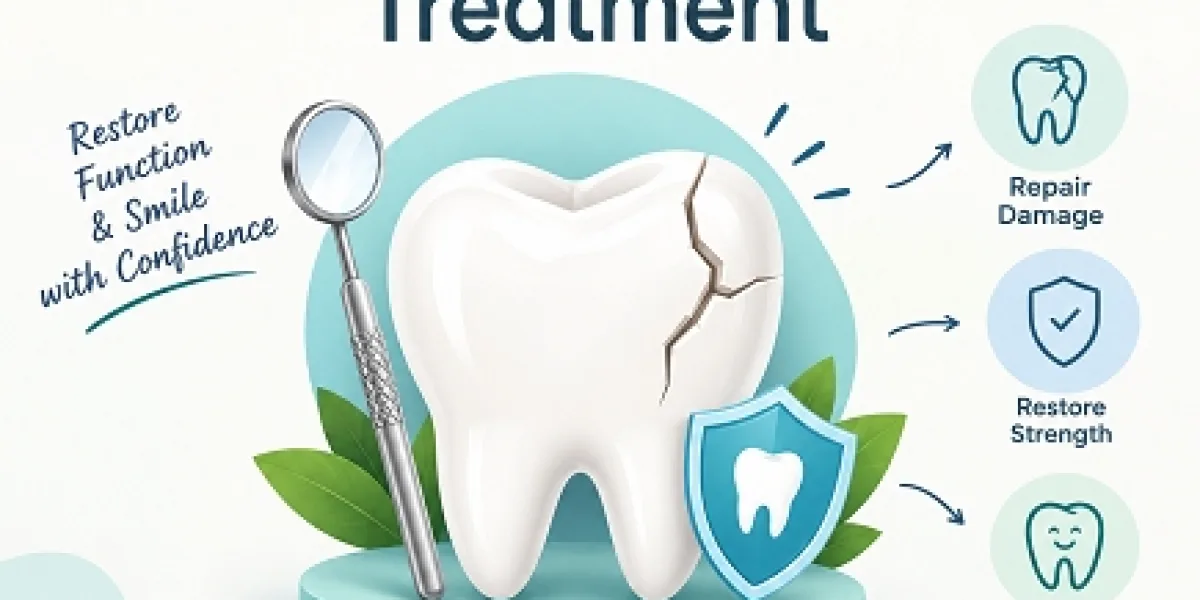
A fractured tooth should not be left untreated for a long period, even if the pain is mild or disappears temporarily. There is no fixed amount of time that is safe for every fracture because the urgency depends on the location, depth, and severity of the damage. Some minor fractures may remain stable, while deeper cracks can worsen unexpectedly.
Seeking professional dental care as soon as possible allows the dentist to examine the tooth and determine whether it needs immediate treatment. Fractured Teeth Treatment in Islamabad can help protect the damaged tooth and reduce the risk of further complications.
Is It Safe to Wait With a Fractured Tooth:
Generally, it is better not to delay a dental examination after noticing a crack, chip, or fracture. Chewing puts repeated pressure on the tooth, and this pressure can cause an existing crack to extend.
Even when a fractured tooth does not hurt, the damage may still be progressing. A dentist can determine whether the tooth needs immediate treatment or can be monitored.
How Does the Severity of the Fracture Affect Treatment Timing:
The depth and location of the fracture are important factors. A small chip affecting only the outer enamel may not require emergency treatment, while a deeper fracture involving the dentin or pulp may require prompt care.
A fracture that extends below the gum line or toward the root can be more difficult to restore. The sooner such damage is assessed, the sooner an appropriate treatment plan can be considered.
What Happens If You Wait Too Long:
Delaying treatment can allow the crack to become larger or cause additional pieces of the tooth to break away. Repeated chewing pressure can place stress on already weakened tooth structure.
If bacteria enter through a deeper fracture, the pulp may become inflamed or infected. This can lead to persistent pain, swelling, or an abscess and may require more extensive treatment.
Can a Fractured Tooth Get Worse Without Pain:
Yes. Pain is not always a reliable indication of the severity of a tooth fracture. Some cracks cause occasional discomfort or no obvious symptoms in the early stages.
A tooth can still be vulnerable to further damage even when it feels normal. This is why professional evaluation is recommended after noticing a suspected fracture.
When Should You Seek Urgent Dental Care:
Some symptoms indicate that you should seek dental attention promptly. These can include:
-
Severe or persistent tooth pain
-
Facial or gum swelling
-
Pain when biting
-
Prolonged sensitivity to hot or cold
-
A large piece of tooth breaking away
-
Bleeding around the affected area
-
Signs of infection such as fever or an unpleasant taste
Severe swelling, difficulty breathing or swallowing, or rapidly spreading facial swelling requires urgent medical or dental attention.
How Does a Dentist Decide How Quickly Treatment Is Needed:
The dentist examines the tooth and asks about your symptoms and how the injury occurred. They may evaluate your bite and perform sensitivity or other clinical tests.
X-rays or additional diagnostic methods may be used when appropriate. These findings help determine whether the fracture is superficial, deeper, or affecting the pulp or root.
Can Temporary Care Protect the Tooth While Waiting:
If you cannot see a dentist immediately, avoid chewing on the affected side and choose softer foods. Avoid hard, crunchy, or sticky foods that could put additional pressure on the damaged tooth.
Maintain gentle oral hygiene and avoid using the tooth to bite objects. These measures may reduce further stress, but they do not repair the fracture.
How Does Early Treatment Help:
Early treatment may help preserve more of the natural tooth structure. Depending on the condition, treatment can include bonding, a filling, a dental crown, or root canal treatment.
The appropriate option depends on the fracture rather than simply the presence of pain. Professional assessment can help prevent a manageable problem from developing into a more complicated one.
What Is the Cost of Delaying Treatment:
The cost of fractured tooth care varies according to the treatment required. A minor repair may be simpler than treatment involving root canal therapy, a crown, or other restorative procedures.
Patients can learn about the factors that affect fractured teeth treatment cost in Islamabad when discussing treatment options with a dental professional.
Why Follow-Up Care Matters:
After a fractured tooth has been treated, follow-up appointments help the dentist check the restoration and overall condition of the tooth. Regular examinations can also identify new problems at an early stage.
Patients should continue good oral hygiene and follow any dietary or care instructions provided by their dentist.
Conclusion:
There is no universal waiting period that is safe for a fractured tooth. While some minor damage may not require emergency treatment, delaying an evaluation can allow a crack to worsen or lead to infection.
The safest approach is to arrange a dental examination as soon as possible after noticing a fracture or related symptoms. Dental Aesthetics Studio can assess the condition of a damaged tooth and recommend appropriate treatment based on the severity of the fracture.


