
A freelance game designer once watched a mobile character they created get reused across three sequels, with zero additional pay, because one licensing paragraph was missing.
Independent game designers who license mechanics, characters, or full prototypes to indie studios are essentially running a small IP business, even when the work feels like one freelance gig at a time. Without a repeatable workflow for drafting and reviewing each game designer licensing agreement, it's easy to sign terms that quietly limit your income on every future project the licensed work touches. Most designers learn this the hard way, usually after a studio they trusted ships a surprise sequel built on the exact mechanic they licensed for a flat fee years earlier. Here's a practical workflow independent designers can build around AI-assisted review tools like Zipprr's AI Lawyer.
Step one in the workflow is defining exactly what's being licensed, before any negotiation starts. Is it a single game mechanic, a full character design, source code, or a complete prototype? Write this down in plain language before you even open a contract template, because vague scope at this stage tends to get copied straight into the final agreement.
Step two is choosing between exclusive and non-exclusive licensing, deliberately rather than by default. A non-exclusive indie studio licensing contract lets you license the same mechanic or asset to multiple studios, which usually means lower upfront pay but ongoing income potential. Exclusive deals typically pay more upfront but lock you out of reusing that work elsewhere, sometimes permanently if the term length isn't capped.
Step three is building in royalty or revenue-share language if the studio's game performs well. Flat-fee deals feel simple, but designers who license into games that later succeed commercially often regret not negotiating a small royalty percentage tied to units sold or revenue thresholds. Even a modest 1 to 3 percent royalty clause in a freelance game design agreement can meaningfully outperform a one-time flat fee if the title finds an audience.
Step four is explicitly addressing sequels, spin-offs, and derivative works, which is exactly the gap that burns designers most often. Does your license cover only the original title, or does it silently extend to every sequel, DLC pack, and spin-off the studio ever releases using your mechanic or character? Without a clear boundary here, a wildly successful franchise can build entirely on a one-time fee you were paid years earlier, while the studio collects revenue from a dozen follow-up releases you have no claim to.
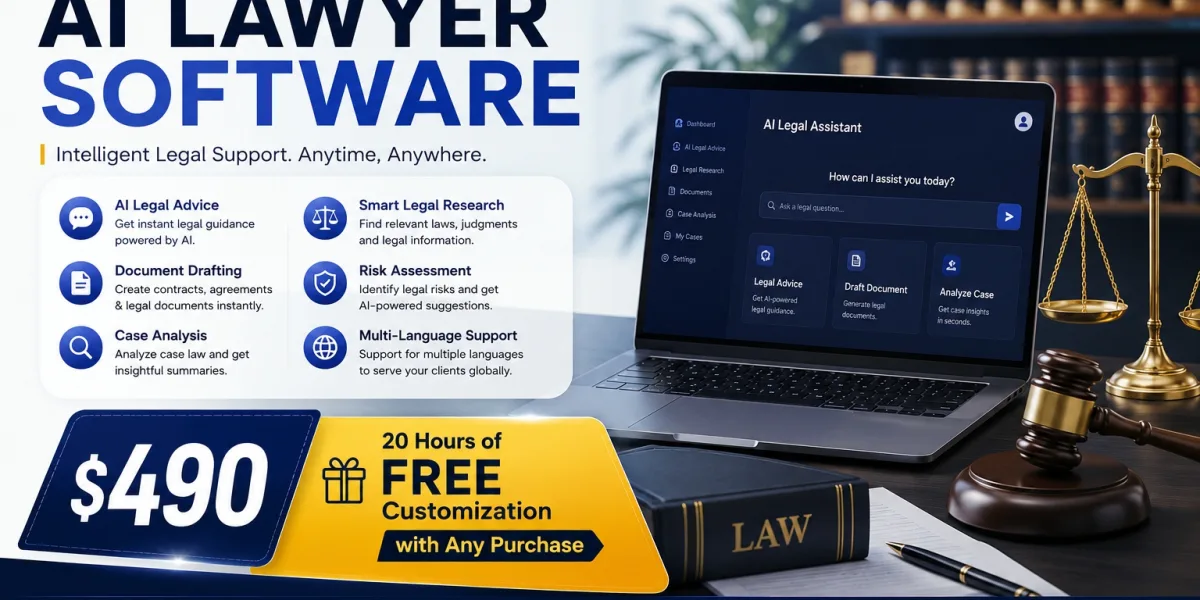
Step five is running the draft through AI-assisted contract review before signing anything. This is where the workflow actually saves time instead of just adding another step. Paste your draft game licensing deal contract into Zipprr's AI Lawyer, and it flags missing royalty language, undefined derivative work scope, vague termination terms, or inconsistent payment schedules in a matter of minutes, catching issues most designers wouldn't think to check for on a first read-through.
Step six is negotiating the flagged gaps before signing, not after. Studios regularly use boilerplate licensing templates pulled from their last deal, and they're often genuinely open to adjusting royalty terms or derivative work scope when a designer raises it clearly and early, rather than discovering the gap after the game has already shipped and started generating revenue.
Step seven is keeping a signed copy, along with a short summary of key terms, somewhere you can find it instantly: royalty percentage, derivative work scope, term length, and renewal conditions. A one-page summary clipped to the front of each signed indie game licensing terms agreement means you're not re-reading a fifteen-page contract every time a studio mentions a sequel is in development.
It's worth being honest about where this workflow has limits. AI contract review is genuinely strong at catching structural gaps, inconsistent royalty language, and missing derivative work clauses in routine licensing deals. It's not a substitute for an entertainment or IP attorney when you're negotiating a major publisher deal, a deal involving significant upfront money, or a dispute where a studio has already released a sequel without paying you. Those situations deserve dedicated legal counsel, not just a faster first draft.
Designers who build this seven-step workflow into every licensing conversation, instead of treating each deal as a one-off negotiation, tend to end up with a portfolio of agreements that actually compound their income over time rather than quietly capping it. The difference between a flat fee that pays once and a royalty clause that pays for years usually comes down to whether anyone checked the contract closely enough, early enough, to ask the right question. Running the same workflow on every new deal, even small ones that feel too minor to bother with, is what eventually builds a body of licensing agreements a designer can actually rely on for steady income.
FAQ
Q1. What should a freelance game designer's licensing agreement always define?
It should clearly define exactly what's being licensed, whether the license is exclusive or non-exclusive, royalty or flat-fee payment terms, whether sequels and derivative works are covered, and the term length with renewal conditions.
Q2. Should a game designer choose exclusive or non-exclusive licensing?
It depends on the deal. Non-exclusive licensing allows reuse across multiple studios for ongoing income potential, while exclusive deals typically pay more upfront but restrict you from reusing that work elsewhere, sometimes for a long term.
Q3. How do royalty clauses work in game licensing agreements?
A royalty clause ties a percentage of revenue or units sold back to the designer, which can significantly outperform a flat one-time fee if the licensed game or mechanic becomes commercially successful.
Q4. Why do sequels and spin-offs cause disputes in game licensing deals?
Many licensing agreements don't clearly state whether the license extends to sequels, DLC, or spin-offs, which can let a studio reuse a designer's work across an entire growing franchise without additional payment.
Q5. How can AI contract review tools help freelance game designers?
Tools like Zipprr's AI Lawyer can scan a draft licensing agreement and flag missing royalty language, undefined derivative work scope, or vague termination terms quickly, before a designer signs away more than intended.
Q6. When should a game designer negotiate licensing terms instead of accepting a studio's template?
Before signing, ideally right after running the draft through contract review, since studios are often willing to adjust royalty percentages or derivative work scope when a designer raises specific, clear requests early.
Q7. Is AI legal software enough for a major publisher licensing deal?
No, for significant upfront deals, major publisher contracts, or disputes involving an already-released sequel, a licensed entertainment or intellectual property attorney should review the terms, not just an AI contract tool.
Q8. What's the biggest mistake freelance game designers make in licensing deals?
Accepting a flat fee without addressing derivative works or royalties, which can mean a hugely successful sequel or franchise generates zero additional income for the designer whose original mechanic or character made it possible.
CTA
Before you sign your next licensing deal, run it through Zipprr's AI Lawyer and make sure royalties, derivative works, and term length are actually covered. One overlooked clause today could mean years of unpaid use of your own creative work.


