
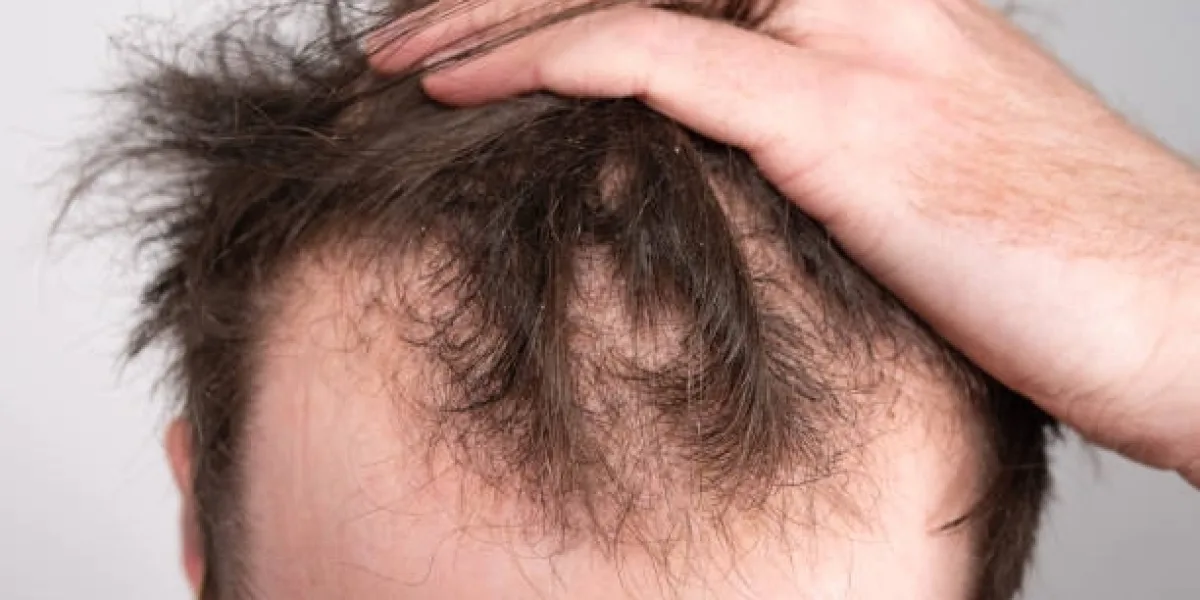
Hair loss does not look the same for everyone. Some people notice gradual thinning across the scalp, while others experience a receding hairline, a widening part, or clearly defined bald patches. Because different forms of hair loss can have different causes, recognizing the type of hair loss is an important part of finding an appropriate treatment approach. With professional evaluation and personalized care, hair loss treatment can be tailored to the individual's hair pattern, scalp condition, and treatment needs.
From hereditary thinning to temporary shedding caused by stress or illness, several factors can influence the hair-growth cycle. Hormonal changes, nutritional deficiencies, scalp disorders, medications, and autoimmune conditions may also play a role. Understanding these differences helps people considering Hair Loss Treatment in Riyadh make informed decisions about evaluation and available treatment approaches instead of assuming that every type of hair loss requires the same solution.
Understanding the Main Types of Hair Loss
Hair loss can be classified according to its pattern, cause, and whether the affected follicles remain capable of producing hair. Some forms are temporary and may improve when the underlying trigger is addressed, while others can progressively reduce follicle activity.
Temporary Hair Shedding
Temporary shedding can occur when a larger-than-usual number of hairs enter the resting or shedding phase. Stress, illness, significant dietary changes, rapid weight loss, and hormonal fluctuations may contribute. In many cases, identifying and addressing the trigger is an important part of management.
Permanent Hair Loss
Some forms of hair loss involve progressive or permanent follicle changes. When follicles are significantly damaged or lost, natural regrowth may be limited. In selected cases, hair restoration procedures may be considered after professional assessment.
Hereditary or Pattern Hair Loss
Pattern hair loss is one of the most common forms of progressive thinning. In men, it often begins around the temples and hairline before affecting the crown. Women may experience more diffuse thinning, particularly around the central part, while the frontal hairline may remain relatively preserved.
Why Genetics Matter
Inherited sensitivity can influence how individual follicles respond to hormones. Over time, affected follicles may produce increasingly fine hairs. Early evaluation can help determine the pattern and whether treatment aimed at preserving existing follicles may be appropriate.
Telogen Effluvium
Telogen effluvium is a form of increased shedding that can occur after physical or emotional stress, illness, surgery, major hormonal changes, or significant nutritional disturbances. It may become noticeable several weeks or months after the triggering event.
Recognizing Increased Shedding
People may notice more hair than usual during washing, brushing, or styling. Because the underlying cause may sometimes be temporary, identifying the trigger is an important step before deciding on treatment.
Alopecia Areata
Alopecia areata can cause sudden, localized patches of hair loss. It is associated with an immune-system response affecting hair follicles and can occur on the scalp or other hair-bearing areas.
Why Professional Evaluation Is Important
Patchy hair loss can have several possible causes, so an appropriate diagnosis is essential. A specialist can examine the affected areas and determine whether further investigation or specific management is necessary.
Traction Alopecia
Repeated tension on the hair from tight hairstyles can contribute to traction-related hair loss. Regularly pulling the hair into tight braids, ponytails, extensions, or other styles can place stress on follicles.
Reducing Mechanical Stress
Changing hairstyles and reducing prolonged tension can help minimize further stress on the scalp. If hair loss has become persistent, professional assessment can help determine the condition of the affected follicles.
Hair Loss Related to Scalp Conditions
Scalp inflammation, excessive scaling, infections, and other dermatological concerns may contribute to shedding or interfere with healthy hair growth. Symptoms such as persistent itching, redness, discomfort, or flaking should not be ignored.
Treating the Underlying Scalp Problem
When a scalp condition contributes to hair loss, addressing that condition may be an important part of improving the hair environment. Treatment should be based on an appropriate diagnosis rather than simply focusing on hair regrowth.
Available Hair Loss Treatment Approaches
Treatment depends on the type of hair loss, its severity, and the condition of the follicles. Some approaches aim to support existing hair, while others are designed to restore areas where significant hair loss has occurred.
PRP Hair Treatment
Platelet-rich plasma, or PRP, is a non-surgical treatment used for certain forms of hair thinning. A patient's blood sample is processed to concentrate platelets, and the resulting plasma is applied to selected areas of the scalp. The growth factors found in platelets may help support the environment surrounding hair follicles.
Medical Hair Loss Management
Depending on the diagnosis, medical treatments may be considered to manage certain types of hair loss. The appropriate approach can vary according to factors such as age, sex, medical history, medications, and the pattern of thinning. Professional guidance is important before starting any medical treatment.
Hair Transplantation
Hair transplantation may be considered when follicles have been permanently lost in specific areas. Suitable follicles are transferred from a donor area to areas affected by thinning or baldness. The transplanted follicles can subsequently produce hair, although suitability depends on donor hair availability and individual characteristics.
Why Diagnosis Should Come First
Different types of hair loss require different management strategies. Treating hereditary thinning, temporary shedding, patchy loss, and hair-shaft breakage as though they were the same condition may not address the underlying issue.
What a Specialist May Assess
A consultation may include examination of the scalp and hair density, discussion of the timing and pattern of shedding, family history, lifestyle factors, and medical history. In certain situations, additional tests may be recommended to investigate nutritional, hormonal, or other potential contributors.
Supporting Healthier Hair
Professional treatment can be complemented by healthy daily habits. A balanced diet containing adequate protein and essential nutrients supports normal hair production. Gentle hair care, appropriate scalp hygiene, stress management, and avoiding excessive heat or chemical processing can also help protect existing strands.
Monitor Changes Over Time
Keeping track of changes in hair density, shedding, and scalp condition can help you recognize whether a problem is improving or progressing. Consistent follow-up with a qualified professional can provide additional guidance when treatment is underway.
Book Your Appointment at Royal Clinic Saudia
If you are experiencing thinning, excessive shedding, patchy loss, or a changing hairline, Hair Loss Treatment in Riyadh can be explored through a personalized professional assessment. Book an appointment with Royal Clinic Saudia to discuss your concerns, identify suitable treatment options, and develop an approach based on your individual hair and scalp condition.
FAQs:
What is the most common type of hair loss?
Hereditary or pattern hair loss is one of the most common forms, although temporary shedding and other conditions can also occur.
Can temporary hair loss grow back?
Some temporary forms may improve after the underlying trigger is addressed, but the outcome depends on the specific cause.
Is PRP suitable for every type of hair loss?
No. PRP may be considered for certain forms of thinning, but a professional assessment is needed to determine suitability.
Can a hair transplant treat all types of hair loss?
No. Hair transplantation is generally considered when suitable donor follicles are available and the pattern of hair loss makes transplantation appropriate.


