
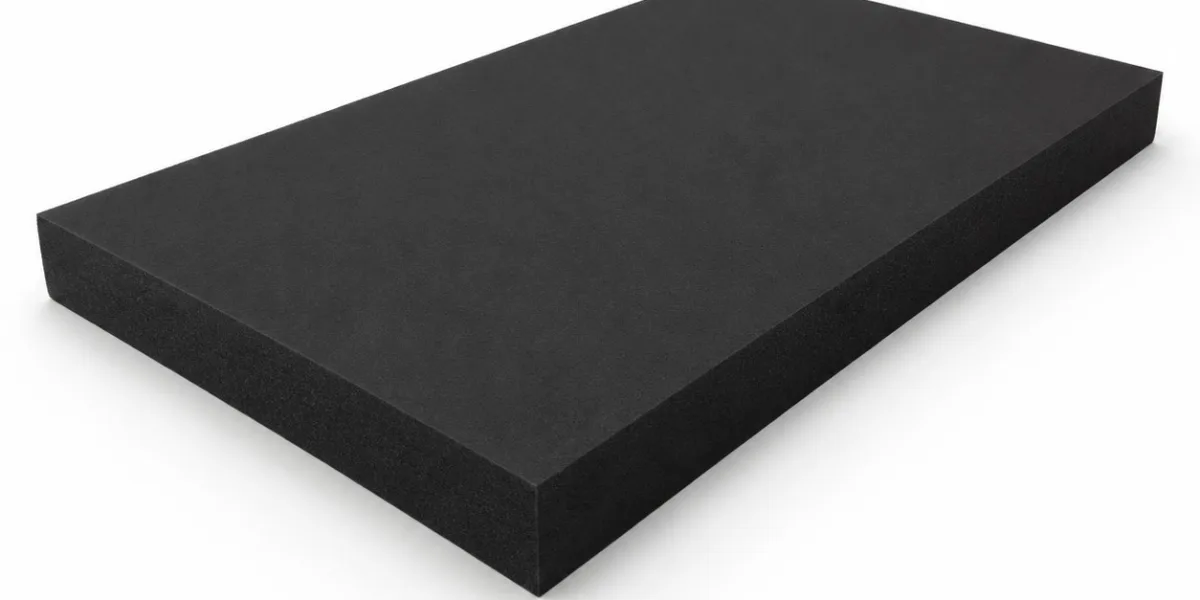
Foam sheets are widely used in construction, manufacturing, packaging, and DIY projects. The right material can help improve insulation, reduce vibration, and protect surfaces from moisture or impact. Closed-cell foam is especially useful when durability and resistance to water are important.
Among the available options, AFP30 foam is often considered for projects that need a balance of flexibility, cushioning, and dependable performance. Understanding its structure and applications can help buyers select a material that suits their specific needs.
What Is Closed Cell AFP30 Foam?
A Closed Cell AFP30 Foam Sheet is a foam material made with a closed-cell structure. This means its tiny air-filled cells are mostly sealed rather than openly connected. As a result, the foam generally absorbs less water and provides better resistance to moisture than many open-cell alternatives.
The “AFP30” name refers to a particular foam grade or product specification. However, exact properties can vary by manufacturer, formulation, and production process. Buyers should always review the product’s technical data sheet before choosing it for a specific application.
Understanding the Closed-Cell Structure
The sealed-cell design gives this foam several practical qualities. It can provide cushioning, thermal resistance, and a degree of sound and vibration reduction. Its surface may also be easier to clean, depending on the finish and density.
Closed-cell foam is not automatically waterproof in every situation. Water can still enter through cut edges, seams, joints, or damaged areas. Proper installation and sealing are important when moisture resistance is essential.
Key Features of AFP30 Foam Sheets
One of the main benefits of this type of foam is its versatility. It can be cut, shaped, or layered for different projects, making it useful in both commercial and workshop settings.
Moisture Resistance
Closed-cell foam is commonly selected for environments where exposure to damp conditions is possible. Its structure helps limit water absorption, which can support longer-lasting performance when the material is correctly installed.
Lightweight Cushioning
Foam sheets offer protection without adding much weight. They may be used to cushion equipment, reduce surface contact, or provide padding around items that need additional protection during handling or storage.
Thermal Insulation
Depending on its composition and thickness, AFP30 foam may help slow heat transfer. This makes it a potential option for insulation-related applications, although its actual thermal performance should be confirmed through manufacturer specifications.
Easy Fabrication
Many foam sheets can be cut with suitable tools to create custom shapes and sizes. This makes them convenient for prototypes, protective inserts, gaskets, lining projects, and other applications where standard dimensions may not be enough.
Common Applications of Closed-Cell Foam
The best use for AFP30 foam depends on its technical properties, thickness, and intended environment. It is important to match the material to the demands of the project rather than choosing based on the name alone.
Packaging and Protective Padding
Closed-cell foam sheets can help protect products from scratches, light impacts, and surface damage. They may be used as separators, liners, or protective layers for tools, equipment, and manufactured goods.
Industrial and Workshop Projects
In industrial settings, foam may be used for vibration control, spacing, sealing support, and equipment protection. Its lightweight nature makes it practical for projects where reducing bulk is useful.
DIY and Craft Applications
For DIY users, foam sheets can be helpful for custom padding, model-making, storage solutions, and surface protection. Before cutting, users should check whether the foam is suitable for the required adhesive, temperature range, and level of wear.
Choosing the Right Foam Sheet
Selecting the correct foam involves more than checking the product name. Consider the thickness, density, flexibility, temperature exposure, and expected load. These factors can affect how well the sheet performs over time.
It is also useful to confirm the sheet’s dimensions, colour, surface finish, and available cutting options. If the foam will be used near heat, chemicals, or electrical equipment, ask the supplier for compatibility information before use.
Why Product Specifications Matter
A foam sheet designed for packaging may not be suitable for demanding insulation or sealing work. Similarly, a material intended for indoor use may require additional protection in outdoor conditions.
Look for information such as density, compression behaviour, operating temperature, water absorption, and thermal conductivity. These details provide a clearer picture of whether the product fits the project.
Finding Suitable Foam Products
https://www.allfoam.co.uk provides foam-related products for different practical needs, including materials used in household, upholstery, and custom foam applications. When considering a specialist sheet such as AFP30, checking the available specifications and asking about suitability can help ensure a more informed purchase.
A reliable supplier should be able to clarify sheet sizes, thickness options, material characteristics, and recommended uses. Clear product information makes it easier to avoid selecting foam that does not match the intended application.
Frequently Asked Questions
Is closed-cell foam suitable for damp environments?
Closed-cell foam generally offers better moisture resistance than open-cell foam. However, it is not always completely waterproof, especially around exposed edges, cuts, and joints. The product’s technical data should be checked for the intended conditions.
Can AFP30 foam sheets be cut to size?
Many foam sheets can be cut to suit specific projects, but the ease of cutting depends on the material’s thickness and construction. Confirm the recommended cutting method before fabrication.
How do I know which thickness to choose?
The right thickness depends on the purpose of the foam. Cushioning, insulation, spacing, and sealing applications may each require different dimensions. Review the manufacturer’s specifications and consider the pressure, temperature, and space available.
Conclusion
Closed-cell foam sheets can be useful when a project needs lightweight cushioning, moisture resistance, insulation support, or easy fabrication. AFP30 is a product grade that should be assessed through its exact specifications rather than its name alone.
By checking density, thickness, thermal performance, and environmental suitability, buyers can make a more practical choice. Whether the material is intended for packaging, industrial work, or a DIY project, selecting foam based on real application needs helps support reliable results.


