
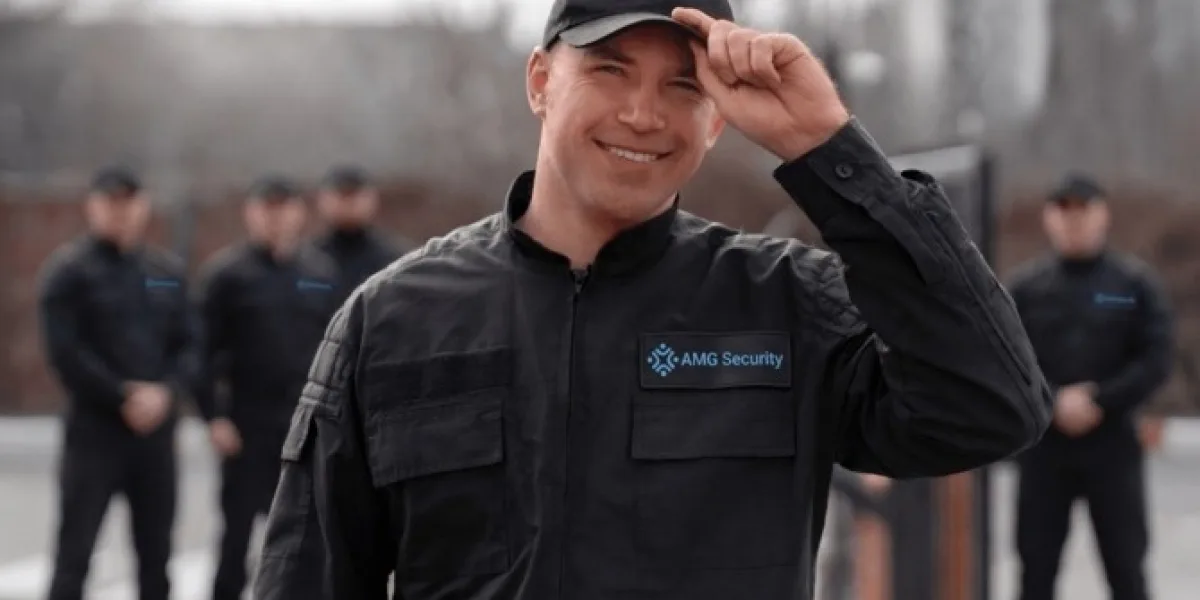
Walk into most corporate buildings in Australia today, and the security presence rarely feels dramatic. There is no obvious show of force, no tension in the lobby, just a calm, professional person checking passes, greeting visitors, and quietly keeping an eye on who comes and goes. That calmness is not accidental. It is the result of trained officers doing their job well enough that most people never think twice about why the building feels safe.
Corporate security guards do far more than stand near a door. Their role touches almost every part of how a modern office or corporate campus functions day to day, from managing visitor flow to responding to emergencies and protecting sensitive areas from unauthorised access.
This article explains what corporate security guards actually do, the skills that separate a good officer from an average one, and why their presence has become a standard expectation in professional workplaces across the country. Understanding this work also explains why a properly staffed corporate security service matters far more than most businesses realise until something goes wrong.
The Daily Work of a Corporate Security Officer
The public-facing part of the job is the most visible, but it is only one piece of what a corporate security officer actually handles. A typical shift might include managing reception traffic, checking visitor identification, issuing temporary access passes, and coordinating with building management over deliveries or maintenance contractors.
Behind that front-of-house work sits a steady stream of quieter responsibilities. Officers patrol common areas, check that fire exits remain clear, confirm that restricted floors are properly locked, and monitor CCTV feeds where systems are in place. None of this is glamorous, but it is exactly the kind of consistent attention that prevents small issues from becoming serious ones.
Shift handovers matter as much as the shift itself. A well-trained officer leaves clear notes for the next team, flags anything unusual that occurred during the day, and makes sure ongoing issues, such as a broken access point or a visitor who caused concern, are not lost between shifts. This continuity is often what separates a professionally managed site from one where problems quietly repeat themselves.
Managing Access and Visitor Flow
One of the most important functions a corporate security team performs is controlling who enters a building and where they are allowed to go once inside. This sounds simple, but in a busy corporate environment with multiple tenants, frequent visitors, and regular contractors, it requires real skill and consistency.
Officers are trained to verify identification politely but firmly, issue passes appropriate to the visitor's purpose, and escalate anything that seems inconsistent, such as a visitor claiming a meeting that reception has no record of. This balance between hospitality and vigilance is one of the harder parts of the job, since being too relaxed creates security gaps while being too rigid damages the professional image a business wants to present.
Restricted areas require an extra layer of attention. Server rooms, executive floors, and areas containing sensitive documents or equipment need controlled access that is properly logged, and officers play a key role in making sure those controls are actually followed rather than becoming a formality that gets ignored during busy periods.
Handling Deliveries and Contractors
Loading docks and service entrances are a common weak point in corporate security if they are not properly managed. Officers who oversee these areas check that deliveries match expected schedules, confirm contractor identification, and make sure external workers are escorted or supervised in sensitive zones rather than left to move freely through the building.
Responding to Incidents Calmly and Correctly
The real test of a corporate security officer's training shows up during an incident, whether that is a medical emergency, a workplace dispute that escalates, or an unauthorised person attempting to access a restricted area. How an officer responds in the first few minutes often determines how serious the situation becomes.
Good training focuses heavily on de-escalation. Most incidents in a corporate environment do not require physical intervention. They require someone who can stay calm, communicate clearly, and defuse tension before it turns into something worse. Officers who understand this approach protect both the people involved and the reputation of the business, since how an incident is handled often matters as much as the incident itself.
When physical or medical emergencies do occur, officers are expected to follow clear procedures, contact emergency services promptly, and provide accurate information about the location and nature of the situation. Proper documentation afterward is equally important, since a clear incident report protects the business if the matter needs to be reviewed later by management, insurers, or legal counsel.
The Role of Communication and Teamwork
Corporate security rarely works in isolation from the rest of a business. Officers need to communicate effectively with reception staff, facilities managers, IT teams for access control issues, and building tenants when something affects shared spaces. A corporate security service Australia-wide that trains officers to work as part of the broader building team, rather than as a separate, siloed function, tends to deliver a noticeably smoother experience for everyone on site.
This extends to how officers interact with employees day to day. Staff are far more likely to report a concern or an unfamiliar face if they have a comfortable, ongoing relationship with the security team rather than seeing them as a distant, purely procedural presence. Officers who take the time to learn regular staff and understand the normal rhythm of a building are simply better positioned to notice when something is out of place.
Working Alongside Technology Rather Than Replacing It
Most modern corporate sites combine security officers with some form of electronic monitoring, whether that is CCTV, alarm systems, or access control software tied to swipe cards and key fobs. Officers are trained to use these tools as an extension of their own attention rather than treating them as a replacement for physical presence.
A camera can record an unauthorised entry attempt, but it takes a trained officer to notice the alert, assess the situation, and respond appropriately within the first few minutes. Alarm systems can flag an issue after hours, but someone still needs to attend the site, confirm whether it is a genuine threat or a false trigger, and secure the area before leaving. This combination of human judgement and electronic support is what makes a corporate security program reliable rather than just technically impressive.
Officers who understand how to read and interpret monitoring systems properly also help reduce false alarms and unnecessary callouts over time, since they learn the normal patterns of a site and can quickly tell the difference between routine activity and something that genuinely needs attention.
Building Trust With the People Who Work There
Employees interact with security officers more often than almost anyone else outside their own department, whether that is a morning greeting at reception, help finding a lost access card, or a quiet word about an unfamiliar visitor in the car park. Over time, these small interactions build a level of trust that makes the entire security program more effective.
Staff who trust their security team are far more likely to report genuine concerns rather than staying quiet out of uncertainty about whether something is worth mentioning. This kind of open communication often catches problems long before they escalate, and it is one of the quieter benefits of investing in a consistent, well-trained security presence rather than rotating through unfamiliar staff on a regular basis.
Training That Makes a Real Difference
Not all security training is equal, and the gap shows up quickly in how officers perform on site. Beyond the basic licensing requirements set by state regulators, well-run providers invest in scenario-based training that prepares officers for the specific situations they are likely to face in a corporate environment, from handling a difficult visitor to responding to a bomb threat hoax or a workplace altercation.
Ongoing training matters just as much as initial certification. Regulations change, building layouts change, and the risks a business faces can shift over time. Officers who receive regular refresher training and site-specific briefings are far more effective than those who complete a course once and are never updated again.
Final Thoughts
Corporate security guards do a great deal more than their quiet, professional presence might suggest. From managing access and visitor flow to responding calmly under pressure and working as part of a wider building team, well-trained officers are one of the most important factors in how safe and well run a corporate site actually feels.
AMG Security places a strong emphasis on training, supervision, and site-specific preparation for the officers it places in corporate environments across Australia. Businesses that understand what good corporate security actually involves are better equipped to recognise the difference between a provider who simply fills a roster and one who genuinely protects a workplace.


