
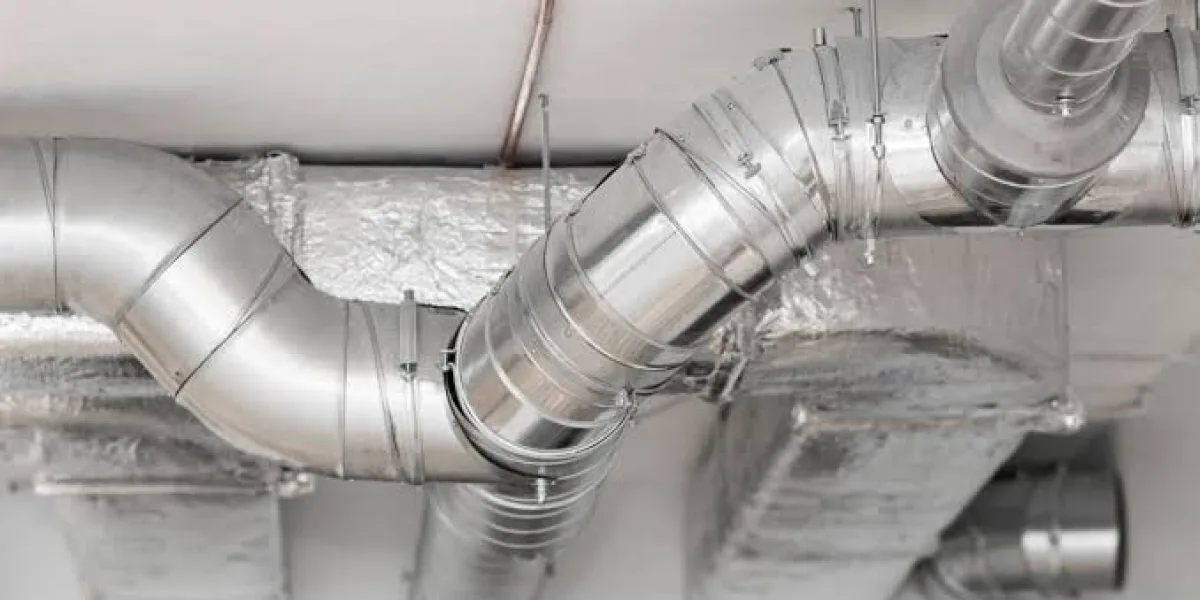
What Is HVAC Ductwork?
Ductwork is a network of passages designed to transport heated or cooled air throughout a property. Depending on the building, ducts may be installed inside walls, ceilings, attics, crawl spaces, basements, or other concealed areas.
Because much of the system remains hidden, damage can go unnoticed for extended periods. Small gaps, loose joints, crushed flexible ducts, and deteriorating insulation can gradually affect HVAC performance.
Common Signs of Duct Problems
One of the clearest signs of a duct issue is uneven indoor temperature. If one room consistently feels warmer or cooler than another, restricted or leaking ductwork could be contributing to the problem.
Weak airflow from vents is another potential warning sign. Strange noises, including whistling, rattling, or excessive air movement, may also indicate loose connections or damaged sections.
Homeowners may notice increased dust or longer HVAC operating cycles as well. When conditioned air escapes through gaps, the system may need to operate longer to achieve the thermostat's desired temperature.
Why Duct Repairs Matter
Leaking or damaged ducts can prevent conditioned air from reaching the rooms where it is needed. This can reduce comfort and cause unnecessary demand on heating and cooling equipment.
Professional ductwork repair can address problems such as disconnected sections, damaged materials, gaps around joints, and deteriorated insulation. Restoring these areas can help improve airflow and support more consistent temperatures throughout the property.
Addressing problems early is also beneficial because minor damage can become more extensive over time. Continuous vibration, temperature changes, moisture, and normal aging may gradually worsen existing defects.
What Happens During an Inspection?
A professional inspection generally involves examining accessible ducts, joints, connections, insulation, and other components. The technician may look for visible damage, air leakage, crushed sections, and obstructions.
Depending on the property's design, airflow may also be evaluated to determine whether particular areas are receiving sufficient conditioned air. The recommended solution depends on the condition and location of the problem.
When Should You Seek Professional Help?
Consider arranging an evaluation if several rooms have inconsistent temperatures, airflow from vents becomes noticeably weaker, or unusual sounds occur whenever the HVAC system operates.
Professional assistance can be especially valuable when ducts are located inside walls, ceilings, attics, or crawl spaces. Trying to access difficult areas without suitable knowledge or equipment may cause additional damage.
Final Thoughts
Ductwork is an essential part of an efficient HVAC system. Paying attention to temperature differences, weak airflow, unusual sounds, and changing system performance can help homeowners recognize potential problems. Proper ductwork repair can restore damaged connections, improve air distribution, and contribute to a more comfortable indoor environment while helping the HVAC system operate efficiently.


