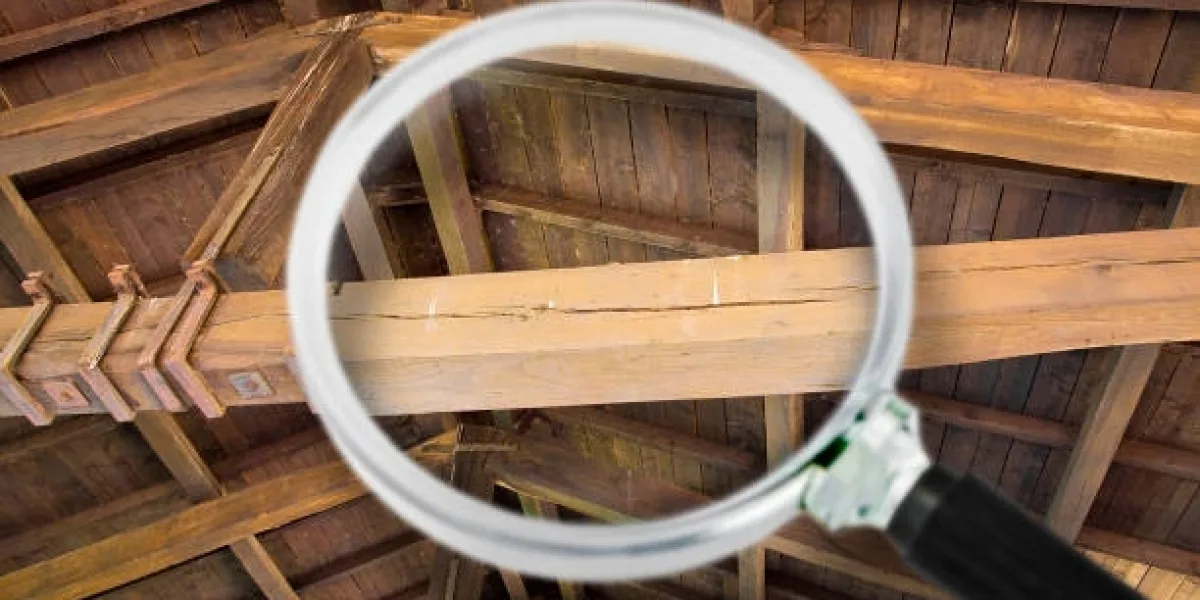
Something looks off. Maybe the roofline has a subtle dip you don't remember being there before, or your bedroom door started sticking out of nowhere. Most homeowners shrug these things off as normal house settling, and sometimes they are. But sometimes they're not, and the difference between those two outcomes can run into tens of thousands of dollars in repairs if you wait too long. Getting a Roof Truss Inspection in Green Cove Springs FL early is almost always cheaper than dealing with the fallout after a truss has failed. Here are five signs that you shouldn't ignore.
1. Your Roofline Is Sagging or Bowing
Step back from your house and look at the ridge line across the top of the roof. It should be straight. A curve, dip, or visible sag anywhere along that line is a red flag. Trusses are engineered to carry a specific load, and when one or more of them fail, buckle, or get weakened by moisture, the roof above them starts to show it.
Sagging doesn't always mean imminent collapse. But it does mean something is wrong structurally, and the longer you leave it, the worse it gets. Water tends to pool in low spots, which speeds up rot in the surrounding wood. A small bow today can become a serious structural problem within a single wet season if it goes unchecked.
Don't try to eyeball this from one angle. Walk the full perimeter of your house and look from both ends of the ridge. Sometimes the sag is only visible from one side, especially on hip roofs.
2. Interior Warning Signs You Might Be Dismissing
Cracked drywall isn't always a cosmetic issue. Horizontal cracks running along the ceiling, diagonal cracks shooting out from the corners of door frames, or ceilings that look uneven or wavy can all point to truss movement. These happen because the structure above is shifting, and the walls and ceilings below respond to that movement.
Sticking doors are another one people write off too fast. If a door that used to swing freely now catches on the frame, it usually means the frame has shifted. That shift has to come from somewhere. Truss deflection or failure is one of the more common culprits, especially in older homes or homes that went through a heavy storm.
Look at your ceilings closely. Run your hand along the drywall in the room directly under the attic. Soft spots, bubbling paint, or visible staining paired with any of the other signs on this list should push you toward scheduling a Damage Truss Evaluation in Green Cove Springs FL sooner rather than later.
3. Strange Sounds Coming from the Attic
Pops and creaks are normal. Houses expand and contract with temperature changes, and you'll hear that. But there's a difference between the occasional settling creak and a pattern of loud cracking sounds, especially ones that happen after heavy rain, a cold snap, or a hot afternoon.
Wood under stress makes noise. If your attic is producing sounds that feel more urgent than usual, like sharp cracks or repeated popping in the same area, that's the structure talking. Take it seriously. Go up there if you can do so safely, or have someone do it for you, and look for any visible signs of movement, splitting wood, or broken truss plates.
Truss plates are the metal connectors that hold the joints together. If one has popped loose or is visibly bent, that joint is no longer carrying load the way it was designed to. One failed plate can redistribute stress to neighboring members in ways that aren't safe.
4. You've Had a Triggering Event
Some situations don't require visible damage to justify a professional look. They just require that something happened. Hurricanes, tropical storms, and heavy wind events are the obvious ones in this part of Florida. But heavy snow loads (rare here, but not impossible), fallen tree limbs, and attic renovation work all count too.
A lot of homeowners don't realize that DIY attic work can damage trusses. Cutting into a truss to make room for HVAC ducts or storage is something people do without understanding that trusses aren't like traditional rafters. You can't just notch or cut a truss member without compromising the whole system. If anyone has done any modification up there, even years ago, it's worth getting eyes on it.
If you've had any of these events in the last year or two, a Damage Truss Evaluation in Green Cove Springs FL is a reasonable step regardless of whether you can see any obvious damage. Hidden stress fractures and shifted plates don't always show up until the next load event pushes the system past its limit.
5. It's Been a Long Time Since Anyone Looked
Trusses are out of sight and out of mind for most homeowners. Nobody goes up into the attic on a regular basis, so problems can develop slowly over years without anyone noticing. Moisture damage from a slow roof leak, pest activity, wood rot, and gradual truss deflection all fall into this category.
According to information on roof truss construction and engineering, trusses are designed with specific load assumptions in mind, and any change to those conditions over time, whether from added insulation weight, water intrusion, or wood degradation, affects how well they perform. If your home is more than 15 or 20 years old and nobody has formally checked the attic structure, that alone is a reason to schedule a look.
If you'd rather not try to assess this yourself, All In Home Inspections LLC is one option people in the Green Cove Springs area use for this kind of structural assessment. A qualified inspector can get into the attic, check the truss plates, look for signs of moisture or pest damage, and give you a clear picture of what's actually going on up there.
Why Waiting Makes It Worse
Here's the thing about structural damage. It rarely stays contained. One compromised truss puts more load on the ones next to it. Those start to deflect. The roofing material above begins to shift, which lets water in. Now you've got rot. And rot spreads fast, especially in a humid Florida climate.
A single truss repair caught early might cost a few hundred dollars. The same problem left alone for a season or two can mean a full truss replacement, new decking, new roofing material, and interior ceiling repairs. The math is not complicated. Catching it early is almost always the better financial decision, not just the safer one.
Roof Truss Inspection in Green Cove Springs FL isn't something most homeowners think about until something forces them to. Don't let that forcing moment be a ceiling coming down.
Frequently Asked Questions
How do I know if my roof trusses are actually failing or just settling?
Normal settling usually produces minor, stable cracks that don't grow over time. Truss failure tends to show up as progressive symptoms, meaning things get worse over weeks or months, doors that stick more than they used to, cracks that widen, or a roofline that continues to sag. If you're seeing changes, not just static imperfections, that's the signal to call someone in.
Can I inspect my roof trusses myself?
You can do a basic visual check from inside the attic if you can access it safely. Look for cracked or split wood, popped truss plates, signs of moisture or staining, and any members that look bowed or out of alignment. But a DIY look isn't a substitute for a professional assessment. Inspectors know what to measure, what to probe, and what failure patterns look like before they become obvious.
What usually causes roof truss damage in Florida homes?
In this part of the state, moisture is the big one. Slow roof leaks, high attic humidity, and condensation can weaken wood over time. Storm damage from hurricanes and tropical systems is another major cause. Pest activity, especially from wood-destroying insects, is worth checking too. And as mentioned above, unauthorized cuts or modifications to truss members during attic work are a surprisingly common source of damage.
How long does a truss inspection take?
Most residential truss inspections take somewhere between one and two hours, depending on the size of the home and how accessible the attic is. The inspector will need to physically get into the attic space, so make sure the access point isn't blocked. After the inspection, you'll typically get a written report outlining what was found and what, if anything, needs to be addressed.
Do I need a truss inspection before selling my home?
You're not legally required to get one, but it's often a smart move. Buyers will usually have a general home inspection done, and if the inspector flags attic structure issues, you'll be dealing with it under time pressure and possibly at a worse negotiating position. Getting ahead of it gives you more control over the repair process and the sale.