
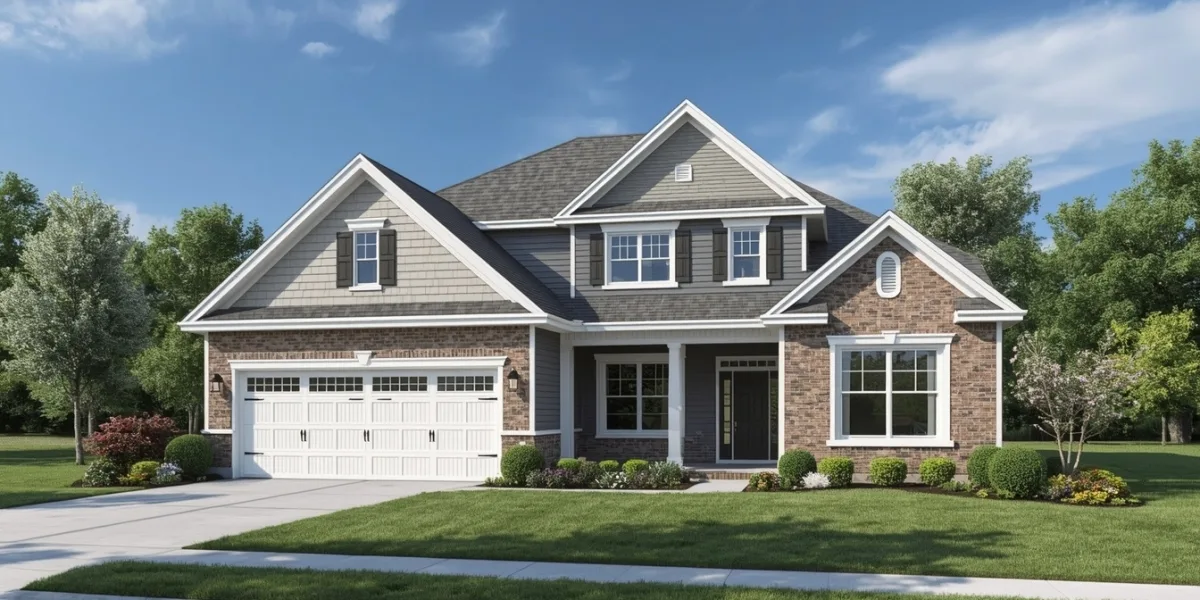
The median new single-family home in the U.S. sold for $417,400 in 2025, according to the Census Bureau. But this price does not show where the money goes. Two homes can cost the same but have very different costs for materials, labor, permits, and other work. Residential estimating breaks the total cost into these separate parts. It provides builders and consumers with a more accurate understanding of the cost they are paying.
Who Should Actually Do Residential Estimating?
A good estimate comes from reviewing the plans carefully, not from using a standard figure from a past project.
Builders and developers managing several tasks may not have enough time to price every home from scratch. Universe Estimating’s residential estimating services turn the plans into a detailed budget that is different from a rough guess. This provides lenders, builders, and buyers with the same cost information for financing, bidding, and planning purposes.
Universe Estimating follows the same process for every project. Residential estimating breaks down the actual costs instead of using one cost per square foot. This gives buyers and builders a more reliable number to work with.
What Actually Makes Up The Price Of A New Home?
Most of the home building expenses go toward construction. In fact, construction costs make up more of the price than many buyers expect.
NAHB’s Cost of Construction Survey found that, on average, construction costs constituted 64.4 percent of the selling price of a house in 2024. This figure is the highest since the survey began in 1998. It includes 13.7% of the finished lot and 11% of the builder’s profit. The rest was allocated to financing, marketing, and other expenses that depend on the marketplace and the location of the home.
Why Does The Same House Cost So Differently By Region?
Labor rates, land prices, and material costs can vary a lot across the U.S. A good estimating process must account for these local differences.
|
Region |
Median Price per Sq. Ft. (Custom-Built) |
|
New England |
$282 |
|
Pacific |
$223 |
|
National Median |
$153 |
|
East South Central |
$140 |
Source: NAHB
NAHB analyzed the 2024 Census Survey of Construction data. New home cost estimation should account for regional cost differences. A national average can miss the actual cost by more than $100 per square foot.
Where Does The Construction Budget Actually Go?
NAHB divides construction into eight stages, and those shares hold steady enough from year to year to work as a sanity check on any estimate.
|
Construction stage |
Share of construction cost |
Approx. cost per home (2024) |
|
Interior finishes |
24.1% |
$103,200 |
|
Major system rough-ins |
19.2% |
$82,200 |
|
Framing |
16.6% |
$71,100 |
|
Exterior finishes |
13.4% |
$57,500 |
|
Foundations |
10.5% |
$45,000 |
|
Site work |
7.6% |
$32,500 |
|
Final steps |
6.5% |
$27,700 |
|
Other |
2.1% |
$9,000 |
|
Total |
100% |
$428,215 |
Source: NAHB
Source: NAHB Cost of Construction Survey, 2024. Dollar figures are derived from the reported stage percentages against the survey's average construction cost of $428,215.
What Does A Residential Estimate Actually Need To Cover?
It includes every cost a buyer or builder will have to pay, priced before construction starts.
- Site work, permits, and utility connections
- Foundation type and structural framing
- Roofing, siding, and exterior finishes
- Interior finishes, fixtures, and mechanical systems
- Overhead, profit, and a contingency for the unexpected
Leaving out any of these costs can lead to unexpected expenses during the project. Residential cost planning helps include these costs in the budget from the start.
Conclusion
A home's price includes construction, land, location, size, and profit. Residential estimating breaks down these costs separately so the final number reflects the home being built. Universe Estimating uses this detailed approach instead of relying on one cost per square foot. This gives builders and buyers a clearer and more reliable cost estimate.


