
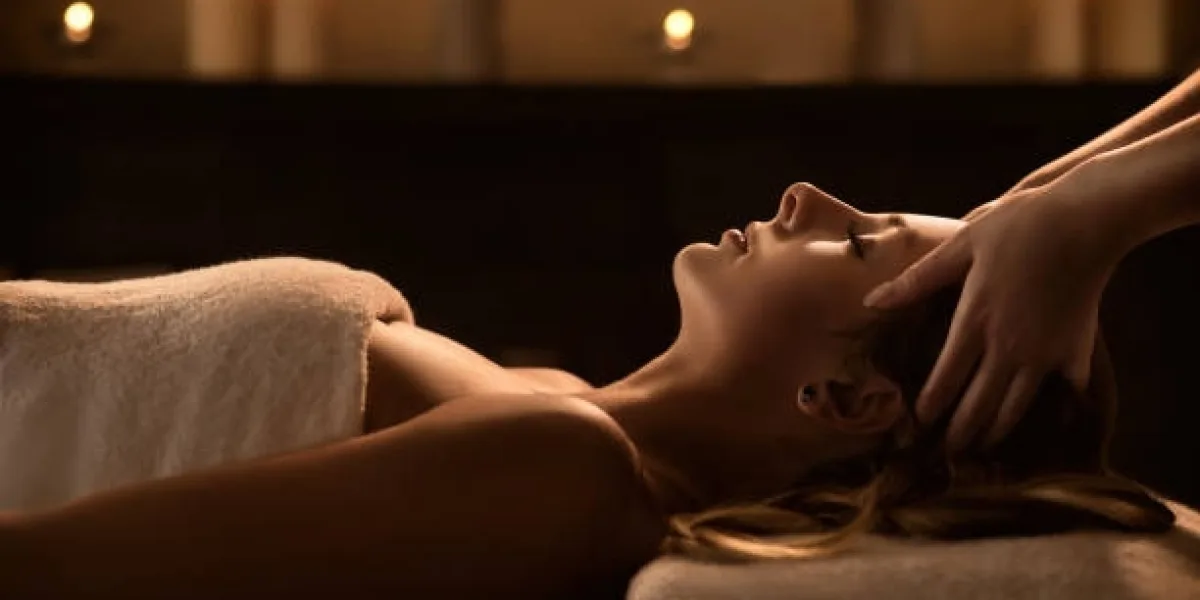
There's a point where your scalp stops just being itchy or tight and starts sending you actual distress signals. Most people shrug it off. They buy a new shampoo, try a scalp scrub from the drugstore, maybe drink more water. And sometimes that's enough. But often it isn't, and the problem quietly gets worse for months before anyone thinks to ask a professional. If you've been dealing with persistent discomfort, weird oiliness, unexplained shedding, or tension headaches that just won't let up, it might be time to stop troubleshooting on your own. A Head Spa in Solana Beach CA can give you the kind of hands-on scalp assessment and targeted treatment that no bottle from a shelf can replicate. Here's what to watch for.
Your Scalp Feels Tight or Sore, and It's Not Getting Better
Scalp tightness is one of those things people normalize way too fast. It starts as mild tension across the top of the head. Then it becomes the baseline. Then one day you realize you've been dealing with it for three months straight and you genuinely can't remember what "normal" felt like before.
This kind of persistent tightness is often tied to restricted circulation in the scalp tissue, stress-induced muscle tension, or a combination of both. Regular shampooing doesn't address any of that. Soreness that lingers, especially near the crown or along the hairline, is a sign that the scalp itself needs hands-on attention. Not a product. Actual manual work.
A professional can assess whether you're dealing with something circulatory, something structural (like habitual jaw clenching pulling tension upward through the neck), or something skin-related. That distinction matters. It changes what kind of treatment actually helps.
Excess Oil, Flaking, or Buildup That Won't Quit
You wash your hair. Two days later it looks like you haven't. Sound familiar? That cycle of fast oiliness combined with flaking or visible buildup is one of the most common complaints people bring to scalp specialists, and it's also one of the most misunderstood.
The instinct is usually to wash more often. But overwashing can strip the scalp and trigger even more oil production as a response. Flaking that doesn't clear up with an anti-dandruff shampoo might not be dandruff at all. It could be seborrheic dermatitis, product residue, or a disrupted skin barrier. These need proper identification, not more guesswork at the drugstore.
A trained scalp therapist can look at the actual condition of your scalp, sometimes with magnification tools, and figure out what's actually happening versus what it looks like on the surface. That kind of read on the situation is what separates a professional reset from a home experiment.
Your Hair Is Thinning and You've Been Under a Lot of Stress
Stress-related hair shedding is real. It has a name: telogen effluvium. It's the process where physical or emotional stress pushes a large number of hair follicles into a resting phase at the same time, and then weeks or months later you start seeing noticeable shedding. According to the American Academy of Dermatology, this type of hair loss is usually temporary but can become chronic if the underlying stress isn't addressed.
Poor scalp circulation makes it worse. When blood flow to the scalp is sluggish, follicles don't get the oxygen and nutrients they need to stay in active growth mode. You'll see it first as general thinning, especially around the part or temples. Then density loss overall.
If you've noticed more hair in your brush, more on the shower floor, or a part that looks noticeably wider than it used to, don't just wait it out. That's the signal. Getting circulation moving again and addressing the scalp environment can make a real difference, but the timing matters. Earlier is better.
Tension Headaches, Jaw Tightness, or Neck Pain Are Becoming Routine
A lot of people don't connect scalp health with tension headaches. But the muscles across the top of the skull, down through the neck, and along the jaw are all connected. Chronic stress creates habitual muscle tension in these areas, and that tension radiates.
If you're clenching your jaw at night, waking up with a stiff neck, or getting headaches that seem to start at the back of the head and move forward, your scalp may be part of the problem. Not the whole problem. But part of it. Therapeutic scalp massage works on the galea aponeurotica, the connective tissue layer across the top of the skull, and on the neck and occipital muscles that tie into it. Getting those areas manually released can reduce headache frequency in ways that over-the-counter pain relievers just mask.
This is where something like a Japanese Head Spa in Solana Beach CA is genuinely different from a regular hair wash. The techniques are specifically designed to address tension in these connected areas, not just clean the scalp surface.
You Can't Wind Down, and Your Sleep Is Off
Trouble falling asleep. Lying awake with a busy mind. Waking up tired. These are familiar complaints, and they're often tied directly to nervous system overactivation from chronic stress. Your body is stuck in a low-grade alert state and won't fully shift into rest mode.
Scalp stimulation, done properly and with the right pressure and rhythm, activates the parasympathetic nervous system. That's the "rest and digest" side of your autonomic nervous system. It genuinely counteracts the stress response. People often fall asleep during professional scalp treatments, not because they're bored, but because their nervous system finally gets the signal that it's okay to let go.
If winding down has felt impossible lately, that's worth paying attention to. At Badri Kermani Hair Salon, the treatments are structured to address that nervous system piece specifically, which is part of why clients often describe leaving feeling like they've had a full night's sleep crammed into an hour.
What a Professional Assessment Can Actually Do That Home Products Can't
Here's the honest truth. Most at-home scalp products treat symptoms. They manage oiliness, soothe itch, or moisturize dryness. That's useful. But they can't tell you why your scalp is behaving the way it is, and they can't apply targeted manual pressure to release tissue that's been holding tension for months.
A professional scalp session starts with an assessment, usually a visual examination of the scalp, questions about your routine, stress levels, diet, and sleep, and sometimes a scalp analysis with a dermal camera. From there, the treatment is specific to you. Not generic. The difference between that and picking a bottle off a shelf based on your hair type is pretty significant.
A second visit to a Japanese Head Spa in Solana Beach CA is also where ongoing issues get tracked. If something isn't improving, a trained therapist notices. They adjust. That feedback loop is what makes professional care worth doing when home routines have stopped working.
Frequently Asked Questions
How do I know if my scalp tightness is stress-related or a skin condition?
Honestly, it can be both. Stress often triggers or worsens skin conditions like seborrheic dermatitis, and it causes direct muscle tension in the scalp area. A professional assessment is the only real way to separate what's structural from what's dermatological, so you're not guessing and using the wrong treatment.
Will a head spa help with hair thinning caused by stress?
It can, especially if the thinning is tied to poor circulation or a disrupted scalp environment. Therapeutic massage increases blood flow to follicles and can help move the scalp out of a stressed state. It's not a cure for severe hair loss conditions, but for stress-related shedding, it's a solid part of the recovery picture.
How often should I go for a professional scalp treatment?
That depends on what you're dealing with. For general maintenance and stress relief, once or twice a month works well for most people. If you're addressing a specific issue like persistent buildup or active thinning, more frequent visits in the beginning make sense. A scalp therapist can give you a realistic schedule after an initial assessment.
Is a head spa different from a regular scalp massage at a hair salon?
Yes, pretty significantly. A head spa session usually includes scalp analysis, steaming, treatment product application, extended massage targeting both the scalp and neck muscles, and a rinse process. It's a structured therapeutic experience. A quick shoulder rub during a blowout isn't the same thing.
Can I get a head spa treatment if I have color-treated hair?
Most of the time, yes. Good scalp therapists work around color-treated hair regularly and use products suited to it. Just let them know your hair situation when you book, so they can choose treatments and products that won't interfere with your color. It's a pretty routine thing to accommodate.
If your scalp has been giving you signals for a while and nothing you've tried at home has made a dent, that's not a product problem. That's a "you need actual professional eyes and hands on this" problem. The Head Spa in Solana Beach CA option exists exactly for that. Don't wait until something gets noticeably worse to make the call.


