
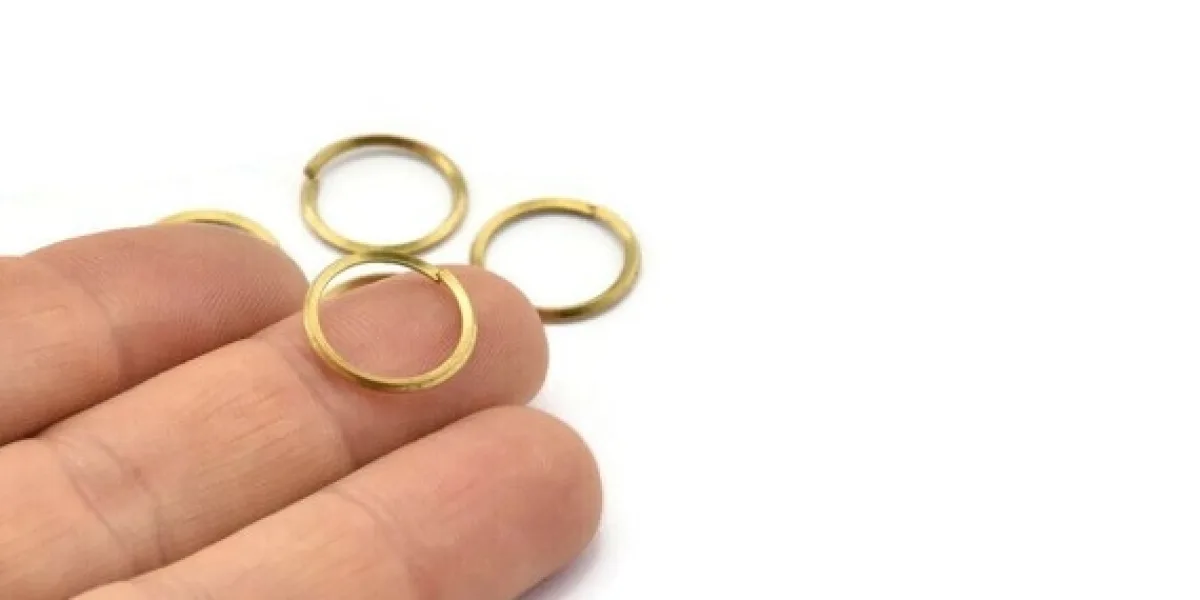
Brass jump rings are versatile jewelry-making components used to connect chains, clasps, charms, pendants, and other findings. Their warm golden appearance makes them especially popular for vintage, rustic, and contemporary jewelry designs.
However, not all brass jump rings offer the same quality or durability. Selecting the right material, size, thickness, finish, and construction can help jewelry makers create pieces that look polished and remain secure during everyday use.
What Are Brass Jump Rings?
Brass jump rings are small metal rings typically made from a copper-zinc alloy. They can be manufactured in different sizes, wire thicknesses, and finishes to suit various jewelry applications.
They are commonly used for:
- Necklaces
- Bracelets
- Earrings
- Pendants
- Charms
- Keychains
- Chainmaille
- Handmade accessories
Their naturally warm color can also complement gemstones, leather, beads, and antique-style findings.
Check the Brass Composition
When purchasing brass jump rings, check the material specifications provided by the supplier.
Different brass compositions can have different characteristics, including:
- Strength
- Hardness
- Color
- Workability
- Resistance to corrosion
A reliable supplier should clearly identify the material rather than simply describing the rings as "brass tone" or "gold color."
Understanding the composition helps you choose components appropriate for your project.
Choose the Right Ring Size
Jump ring size has a major impact on how a jewelry design looks and functions.
Important measurements include:
- Inside diameter
- Outside diameter
- Wire diameter
- Overall ring size
Small brass jump rings can work well for delicate necklaces and earrings, while larger rings may be better suited to heavier pendants or bold designs.
For chainmaille, the correct ring dimensions are particularly important because each weave requires specific proportions.
Consider Wire Thickness
The wire thickness affects the strength and appearance of the jump ring.
Thicker brass wire generally provides:
- Greater strength
- Better resistance to deformation
- More secure connections
Thinner wire can provide:
- A delicate appearance
- Lower weight
- Easier manipulation
Choose the thickness based on the weight and intended use of the jewelry.
Look for Cleanly Cut Ends
For open brass jump rings, the quality of the cut is extremely important.
A high-quality jump ring should have:
- Smooth cut ends
- Consistent shape
- Minimal burrs
- Properly aligned ends
When closed correctly with jewelry pliers, the ends should meet closely. Uneven gaps can weaken the connection and make the finished piece look less professional.
Consider Open or Closed Jump Rings
Brass jump rings are available in different construction styles.
Open Jump Rings
Open rings have a small gap and can be opened and closed using jewelry pliers. They are commonly used to attach:
- Clasps
- Charms
- Pendants
- Chains
Closed or Soldered Rings
Closed rings can provide a more secure connection and may be useful for applications where the ring needs to withstand greater stress.
Choose the type based on the purpose of your jewelry design.
Pay Attention to the Finish
Brass naturally has a warm, golden appearance, but jump rings can also be offered with different finishes.
Popular options include:
- Natural brass
- Polished brass
- Antique brass
- Oxidized brass
- Gold-tone finishes
The finish can dramatically affect the overall style of your jewelry.
Antique brass, for example, works well with vintage-inspired designs, while polished brass can create a brighter contemporary appearance.
Understand Tarnishing and Maintenance
Brass can naturally change color over time as it reacts with air, moisture, oils, and other environmental factors.
Depending on the desired appearance, this may be a benefit or a drawback.
To maintain brass jewelry, makers and wearers can minimize exposure to:
- Moisture
- Perfume
- Lotions
- Household chemicals
- Excessive humidity
Proper storage in a dry environment can also help preserve the appearance of brass components.
Match the Jump Rings With Other Findings
A cohesive jewelry design usually benefits from coordinated metal finishes.
Try to match brass jump rings with compatible:
- Chains
- Clasps
- Ear wires
- Pendants
- Bead caps
- Decorative findings
Using noticeably different shades of gold or brass can create an inconsistent appearance, particularly in minimalist designs.
Choose the Right Brass Jump Rings for Chainmaille
Brass jump rings can be used in chainmaille, but selecting the correct size is essential.
Chainmaille patterns often depend on a specific aspect ratio, which relates the inside diameter of a ring to its wire diameter.
If the rings are too small, the weave may be difficult to assemble. If they are too large, the finished pattern may become loose or lose its intended shape.
Always check the recommended dimensions for the specific chainmaille weave you plan to create.
Consider the Jewelry's Intended Use
Think about how much stress the jump rings will experience.
For example:
Earrings: Lightweight rings may be sufficient.
Necklaces: Choose rings that can securely hold clasps and pendants.
Bracelets: Consider stronger rings because bracelets experience frequent movement.
Keychains: Heavier-gauge rings may be preferable because keychains are regularly pulled and handled.
Chainmaille: Follow the size and aspect-ratio requirements of the selected weave.
Look for Consistent Manufacturing
Professional jewelry requires consistency across components.
High-quality brass jump rings should have:
- Uniform dimensions
- Consistent wire thickness
- Smooth surfaces
- Even coloration
- Clean cuts
- Accurate sizing
Consistency makes jewelry assembly easier and helps finished pieces maintain a professional appearance.
Buy From a Reliable Supplier
When purchasing brass jump rings, choose suppliers that provide detailed specifications.
Look for information about:
- Material composition
- Ring dimensions
- Wire gauge
- Finish
- Quantity
- Manufacturing method
If you are unfamiliar with a supplier, consider purchasing a small quantity first. Testing samples can help you evaluate quality before making a larger investment.
Test Your Jump Rings Before Production
Before using brass jump rings in a large jewelry collection, test several samples.
Open and close the rings with appropriate jewelry tools and examine the results. Check whether the ends align correctly and whether the metal deforms excessively.
Testing can help identify weak or inconsistent components before they are incorporated into finished products.
Final Thoughts
Choosing high-quality brass jump rings involves more than selecting a warm metallic color. Material composition, ring size, wire thickness, construction, finish, and manufacturing consistency all contribute to the performance of a finished jewelry piece.
Whether you're creating necklaces, bracelets, earrings, pendants, or chainmaille, selecting reliable brass jump rings can improve both durability and appearance. By comparing specifications, testing samples, and choosing a dependable supplier, jewelry makers can create attractive designs with secure and professional connections.


