
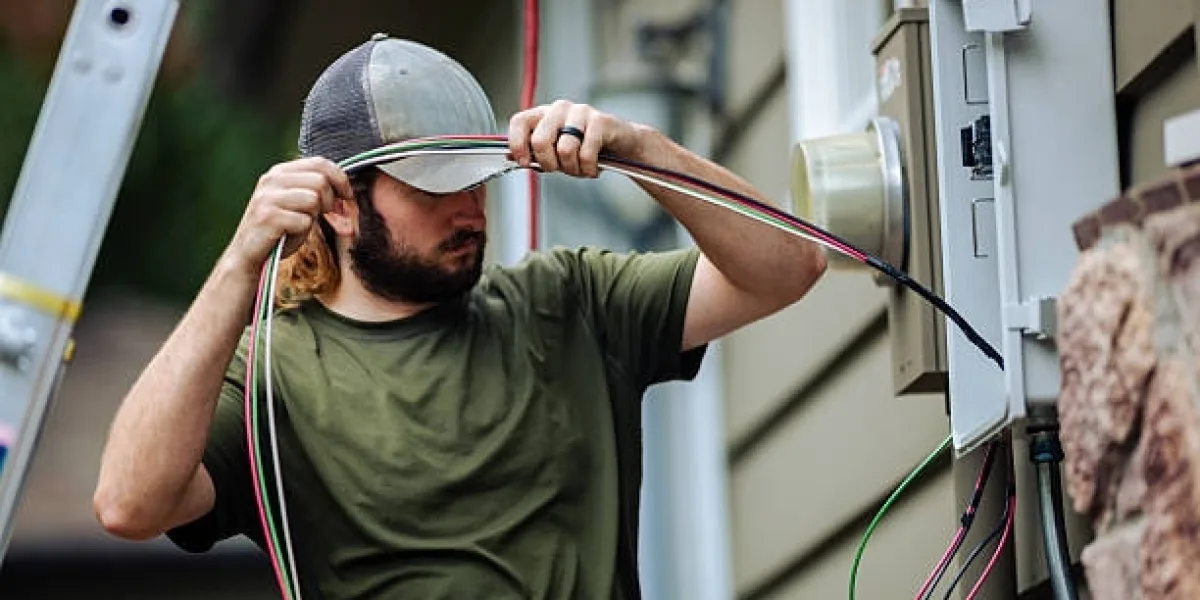
Most homeowners don't think about their electrical system until something goes wrong. A breaker trips, a light flickers, or there's a faint burning smell coming from somewhere behind the wall. Easy to ignore. Hard to explain away if it keeps happening. The truth is, older homes and even some newer ones can have wiring problems that quietly get worse for months before anything obvious happens. If you've been noticing any of these things, it's worth paying attention now rather than after a fire or a failed inspection. Connecting with Electrician in Lancaster CA early can save you a lot of money and a lot of stress down the road.
Your Circuit Breakers Are Tripping Too Often
A breaker that trips once in a while isn't a crisis. But if you're resetting the same breaker every week, or multiple breakers are tripping regularly, that's your panel telling you something's wrong. It might be a single overloaded circuit. Or it might mean the whole panel is undersized for what your household actually needs.
Older panels were designed for homes that ran a few lights and maybe a refrigerator. Today's homes run dishwashers, EV chargers, home offices, gaming setups, and HVAC systems all at once. A 100-amp panel that made sense in 1975 is genuinely struggling in 2026. Repeated tripping is the panel's way of saying it can't keep up.
Also watch for breakers that trip but won't reset, or ones that feel loose when you flip them. Those are signs of a failing breaker, not just an overloaded circuit. Worth getting checked. Don't just keep resetting and moving on.
Flickering or Dimming Lights
Lights that flicker when you turn on an appliance are usually pointing to a loose connection or an overloaded circuit. Not always a disaster, but not nothing either. If the flickering happens randomly with no appliance change, that's a different problem.
Random or persistent flickering often means there's a loose wire somewhere in the circuit, at the outlet, at the fixture, or back at the panel. Loose wiring is one of the more common causes of electrical fires because it generates heat at the point of contact. According to the U.S. Fire Administration's electrical fire resources, loose connections and arcing faults are responsible for thousands of residential fires every year in the U.S.
Dimming lights when a large appliance kicks on, like an air conditioner or washing machine, usually means that appliance is pulling more current than the circuit can comfortably handle. You might just need a dedicated circuit added. Or the panel might need more capacity overall. Either way, it shouldn't be ignored.
Burning Smells, Warm Outlets, and Discolored Switch Plates
This one's serious. Full stop. If you smell something burning near an outlet or switch plate, don't wait to see if it goes away.
Burning smells behind walls or near electrical fixtures usually mean wiring insulation is overheating or arcing. Discolored outlets, ones that look brown or black around the edges, are showing you physical evidence of heat damage or sparking. A switch plate or outlet cover that feels warm to the touch is another clear sign that something inside is getting hotter than it should.
These aren't minor inconveniences. They're signs of active wiring faults that can ignite insulation, wood framing, or other materials inside your walls. If you notice any of these, turn off the circuit at the breaker and call an electrician the same day. Providing Electrical Services in Lancaster CA that cover these kinds of urgent faults is exactly what licensed electricians are trained to handle.
Old Wiring Types That Raise Red Flags
The age of your home matters a lot here. If your house was built before 1980, there's a reasonable chance it has wiring types that just aren't considered safe by current standards.
Knob-and-tube wiring, common in homes built before the 1940s, has no ground wire and the insulation gets brittle with age. Aluminum wiring, used in many homes built between the mid-1960s and mid-1970s, expands and contracts differently than copper and can loosen connections over time, which creates heat and arcing risk. Many insurance companies charge higher premiums or flat-out refuse to cover homes with these wiring types. That alone is a reason to get an inspection.
If you're not sure what type of wiring your home has, an electrician can open up a few outlets and tell you quickly. It's not a big job to find out. It can be a very big deal if you don't.
Jspark Electric INC is one option people in the Lancaster area use for this kind of inspection and upgrade work, and they're familiar with the specific code requirements and older construction styles common in the region.
When You Need a Full Panel Upgrade vs. a Simple Fix
Not every electrical problem means you need a full panel replacement. Sometimes it's a single bad breaker. Sometimes it's one overloaded circuit that just needs to be split. But there are situations where a full upgrade is the right call, and it helps to know the difference.
You probably need a panel upgrade if your home still has a 60-amp or 100-amp service and you're running modern appliances, if your panel is a brand known for problems like Federal Pacific or Zinsco, if you're planning a major renovation or adding an EV charger, or if a licensed electrician opens the panel and finds signs of overheating, corrosion, or melted components inside. These aren't things you patch. They're things you replace.
- Panel is 40 or more years old with no upgrades
- Breakers don't trip when they should (a sign of a failed breaker)
- You're adding a large load like a hot tub, EV charger, or home addition
- Your insurance company flags the panel during a renewal review
- An electrician finds heat damage or corrosion inside the panel
Smaller fixes, like adding a circuit, replacing a bad outlet, or swapping a failed breaker, are totally valid repairs when the panel itself is in good shape. The key is getting a real assessment, not guessing based on symptoms alone. Top-Rated Electrical Services in Lancaster CA will give you a straight answer about whether a repair or a full upgrade makes more sense for your specific situation.
Frequently Asked Questions
How do I know if my home has aluminum wiring?
An electrician can check by opening an outlet or switch box and looking at the wire. Aluminum wiring is silver-colored instead of the copper orange you'd see with standard wiring. Some panels also have labels indicating aluminum branch circuits. It's a quick visual check.
Is a tripping breaker always a sign of a serious problem?
Not always. Sometimes it's just a matter of plugging too many things into one circuit. But if the same breaker trips repeatedly even with a normal load, or if multiple breakers are tripping, that's worth having an electrician look at. Repeated tripping usually means something is wrong, either with the breaker itself or with the circuit's capacity.
Can I just reset a breaker that keeps tripping and ignore it?
Resetting once is fine. It's what you're supposed to do. But if you're resetting the same breaker every few days, you're not solving anything, you're just delaying a real diagnosis. Repeated tripping can mask a wiring fault that's getting worse each time.
How much does a panel upgrade usually cost?
It varies depending on the size of the new panel, local permit requirements, and how much of the existing wiring needs to be touched. In California, a typical panel upgrade from 100 to 200 amps runs somewhere in the range of $2,000 to $4,500 including labor and permits, though that number can go higher for older homes with more complicated setups. Get a couple of quotes and make sure they include the permit.
Do I need a permit for electrical work in Lancaster, CA?
Yes. Most electrical work beyond simple fixture swaps requires a permit in California, including panel upgrades, new circuits, and rewiring projects. A licensed electrician handling Electrical Services in Lancaster CA will pull the permit as part of the job. If someone offers to skip the permit to save money, that's a red flag.


