
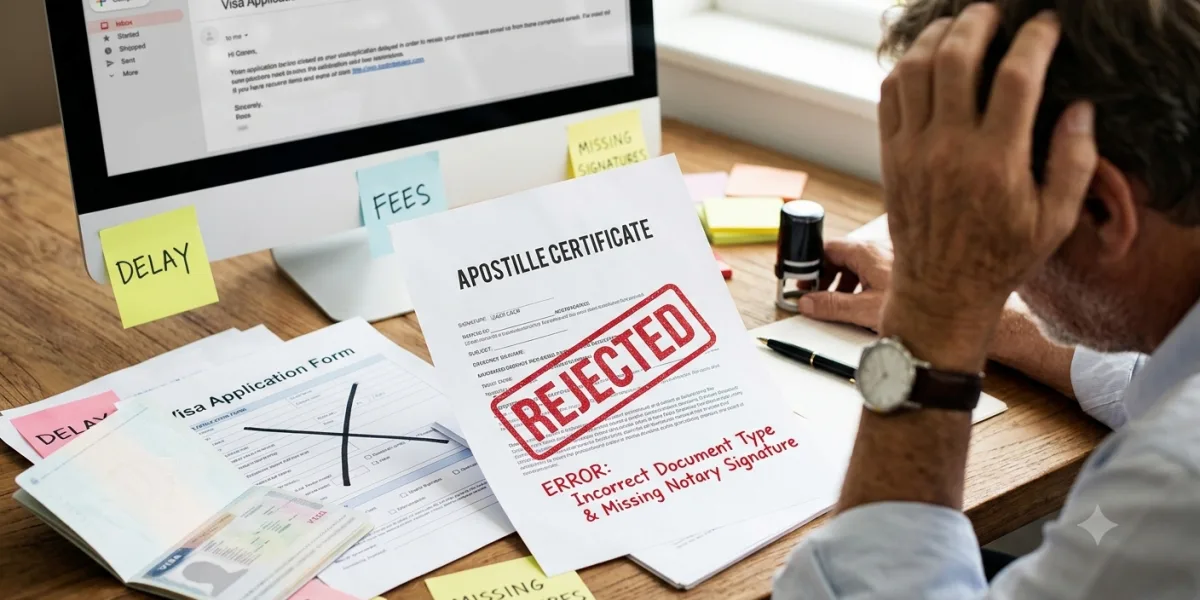
Moving abroad for work, higher education, family reunification, or permanent residency requires several important documents to be legally recognized in the destination country. One of the most overlooked reasons for visa delays is incorrect document legalization. If you are applying from Telangana, choosing Secure Apostille Services Hyderabad can help ensure your documents are processed correctly, reducing the chances of unnecessary delays and rejections. Secure Apostille Services provides professional guidance throughout the authentication process, helping applicants complete every step accurately and on time.
Why Apostille Errors Can Affect Your Visa Timeline
Many applicants assume that obtaining an apostille is a simple formality. However, even a minor mistake in document preparation or verification can cause significant delays. Immigration authorities, universities, employers, and government agencies carefully examine every document submitted. If any inconsistency is found, they may request corrected documents before processing your application.
In many cases, visa appointments, university admission deadlines, and employment joining dates are fixed. A delay in document legalization can affect your entire travel schedule, forcing you to postpone important plans.
Understanding the Apostille Process
An apostille certifies the authenticity of a public document so it can be accepted in countries that are members of the Hague Apostille Convention. In India, the Ministry of External Affairs (MEA) issues the final apostille after the required state-level verification or Sub Divisional Magistrate (SDM) authentication, depending on the document type and destination requirements.
Every document follows a specific verification route. Educational certificates, personal documents, and commercial documents often require different authentication procedures before reaching the MEA. Following the correct process from the beginning saves both time and money.
Mistake 1: Submitting Incorrect or Incomplete Documents
One of the most common reasons for delays is submitting documents that are incomplete or contain incorrect information.
Examples include:
- Missing pages
- Damaged certificates
- Illegible printing
- Missing signatures
- Incorrect personal details
- Expired supporting documents
Authorities carefully verify every document before authentication. If any information does not match official records, the application may be put on hold until corrected documents are provided.
Before submitting your documents, carefully verify:
- Full name
- Date of birth
- Place of birth
- Passport details
- Document number
- Issuing authority
Ensuring accuracy at this stage can prevent weeks of unnecessary delay.
Mistake 2: Using Old or Incorrect Certificates
Many applicants unknowingly submit certificates that are outdated or no longer accepted by the issuing authority. This is especially common with birth certificates, marriage certificates, and educational records issued several decades ago.
Older certificates may contain:
- Spelling mistakes
- Missing names
- Incomplete addresses
- Handwritten entries
- Faded seals
- Missing registration numbers
Although such certificates may still be legally valid in India, foreign authorities may question their authenticity or request updated versions before accepting them.
Obtaining a newly issued certificate before starting the apostille process often helps avoid additional verification requests later.
Mistake 3: Choosing the Wrong Authentication Route
Different documents require different verification procedures. Some applicants assume every document follows the same process and submit them through an incorrect channel.
For example:
- Educational certificates generally require State HRD authentication before apostille.
- Personal documents may require State Home Department verification or SDM authentication.
- Commercial documents often follow a separate Chamber of Commerce verification process.
Using the wrong route can result in rejected applications, additional verification requirements, and unnecessary expenses.
Professional guidance helps identify the correct process based on the document type and destination country.
Mistake 4: Waiting Until the Last Minute
Many applicants begin collecting documents only after receiving their visa appointment or university admission confirmation.
Unfortunately, document authentication involves multiple government departments, and processing times may vary depending on:
- State verification workload
- Public holidays
- Document corrections
- Courier transit
- Additional verification requests
Starting the process early provides sufficient time to resolve unexpected issues without affecting your travel plans.
Mistake 5: Ignoring Name Mismatches
Name discrepancies remain one of the leading causes of document rejection during international applications.
Examples include:
- Different spellings on certificates
- Initials on one document but full name on another
- Maiden name versus married name
- Missing middle names
- Passport name differing from educational records
Even small inconsistencies may require affidavits or supporting documents before authentication can proceed.
Review every document carefully before submission to ensure consistency across all records.
Mistake 6: Not Verifying Document Authenticity Before Submission
Before an apostille can be issued, the document must be verified by the appropriate government authority. If the issuing department cannot confirm its authenticity, the application may be rejected or returned for clarification.
Applicants should ensure that all certificates are genuine, issued by the competent authority, and free from unauthorized alterations. Any overwritten entries, damaged seals, or unofficial corrections can trigger additional verification, resulting in significant delays.
Mistake 7: Overlooking Translation Requirements
While an apostille certifies the authenticity of a document, it does not translate its contents into another language. Many countries require certified translations if the document is not in their official language.
Applicants often assume that an apostille alone is sufficient, only to discover later that immigration authorities or educational institutions require translated documents as well. Understanding the documentation requirements of the destination country before submission can help avoid last-minute complications.
Mistake 8: Incorrect Personal Information
Every detail on your documents should match your passport and supporting records. Even minor differences may create unnecessary questions during visa processing.
Common issues include:
- Different dates of birth
- Incorrect parent names
- Address variations
- Passport number errors
- Typographical mistakes
- Different signatures
Correcting these discrepancies after the apostille process has started usually means restarting verification, increasing both processing time and costs.
Mistake 9: Ignoring Country-Specific Documentation Requirements
Although the Hague Apostille Convention standardizes document authentication, individual countries may still request additional supporting documents depending on the purpose of travel.
For example:
- Employment visas may require educational certificates.
- Family visas may require marriage certificates.
- Student visas may require academic transcripts.
- Business visas may require commercial documents.
Understanding these requirements in advance helps applicants prepare complete documentation instead of responding to additional requests later.
Mistake 10: Choosing an Inexperienced Service Provider
Many delays occur because applicants rely on agencies that lack experience with document legalization procedures. Incorrect advice, incomplete applications, or missed verification steps can significantly increase processing times.
A professional service provider understands:
- Document verification requirements
- State authentication procedures
- MEA submission guidelines
- Courier handling
- Timeline management
- Country-specific documentation requirements
Working with experienced professionals minimizes errors and ensures every step is completed correctly.
Practical Tips to Avoid Apostille Delays
Planning ahead is one of the most effective ways to ensure smooth document processing. Before submitting your documents, create a checklist and verify every detail carefully.
Some useful practices include:
- Apply well before your travel date.
- Keep original documents in good condition.
- Verify spellings across all certificates.
- Confirm passport details match every document.
- Obtain updated certificates if older records contain missing or incorrect information.
- Keep photocopies of all submitted documents.
- Track your application regularly.
- Respond immediately if additional information is requested.
These simple precautions can prevent unnecessary delays and help keep your visa application on schedule.
How Professional Assistance Makes a Difference
Navigating the apostille process independently can be confusing, particularly when multiple authorities are involved. Professional assistance simplifies the entire procedure by ensuring that documents are reviewed, verified, and submitted through the correct authentication channel.
Experienced specialists can identify potential issues before submission, recommend necessary corrections, and coordinate with the appropriate departments to reduce processing delays. This proactive approach saves valuable time and minimizes the risk of document rejection.
Final Thoughts
A successful visa application depends not only on meeting immigration requirements but also on ensuring that every supporting document is authenticated correctly. Small mistakes such as incorrect personal details, outdated certificates, missing information, or choosing the wrong verification route can delay your travel plans by several weeks.
By preparing documents carefully, understanding the authentication process, and seeking professional guidance whenever necessary, applicants can significantly reduce the risk of delays and enjoy a smoother visa experience. Starting the process early and working with an experienced team allows you to focus on your future abroad with confidence, knowing your documents have been handled accurately and efficiently.


