
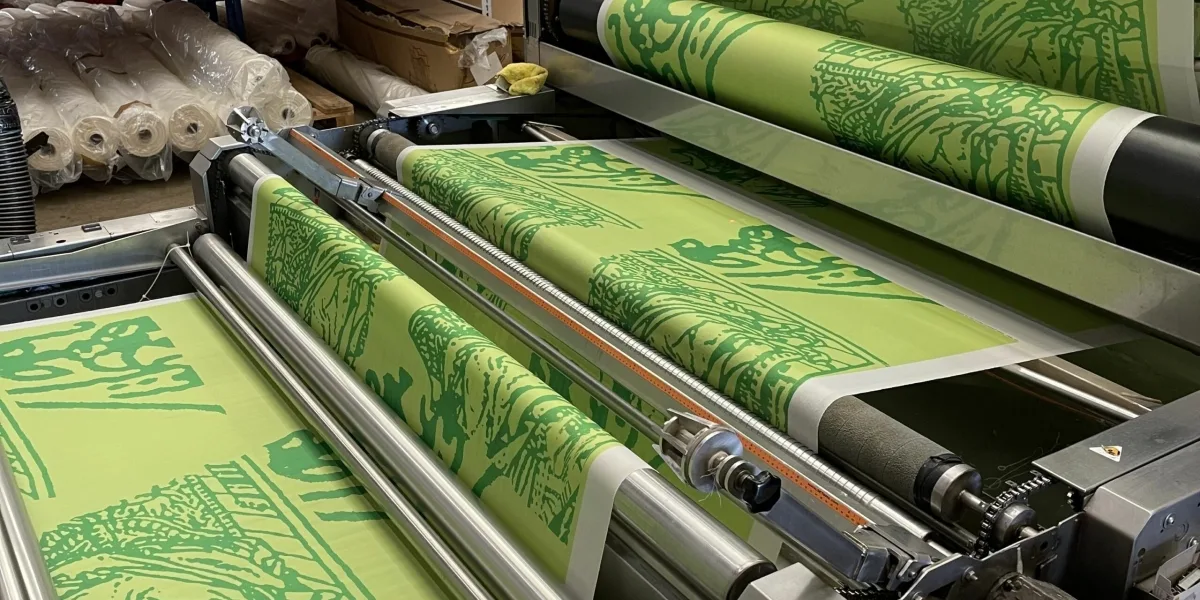
Digital printing on fabric has reshaped the textile industry by making fabric customization faster, more precise, and more accessible than ever before. Using advanced inkjet technology, digital printers apply designs directly onto textiles without the need for traditional screens or printing plates. This modern approach allows businesses to create detailed patterns, vibrant colors, and personalized products with exceptional consistency.
As customer demand for customized textiles continues to grow, digital printing on fabric has become a preferred solution for clothing brands, interior designers, promotional product manufacturers, and home furnishing companies. It supports short production runs, reduces preparation time, and enables quick design changes without increasing production costs. Whether creating fashion garments, decorative fabrics, or branded merchandise, digital textile printing offers both efficiency and creative freedom.
What Is Digital Printing on Fabric?
Digital printing on fabric is a textile printing method that transfers digital artwork directly onto fabric using specialized inkjet printers and textile inks. Unlike conventional printing techniques that require separate screens for every color, digital printing reproduces full-color designs in a single process.
The entire workflow is controlled digitally. Designers prepare artwork on a computer, adjust colors and dimensions, and send the design directly to the printer. This streamlined approach reduces setup time while maintaining excellent image quality.
Digital printing works with many textile materials, including:
- Cotton
- Polyester
- Silk
- Linen
- Rayon
- Bamboo fabric
- Fabric blends
Each fabric requires compatible inks and finishing techniques to achieve the best results.
How Digital Printing on Fabric Works
Digital Design Creation
The process begins with designing artwork using graphic design software. High-resolution files ensure sharp images, smooth gradients, and accurate colors when printed.
Fabric Preparation
Natural fabrics often require pretreatment before printing. Pretreatment improves ink absorption and helps produce brighter colors with greater wash durability.
Printing Process
The fabric passes through a digital textile printer where microscopic ink droplets are precisely deposited onto the textile surface according to the digital design.
Ink Fixation
Once printing is complete, the fabric undergoes heat or steam treatment. This permanently bonds the ink with the fibers, improving color fastness and durability.
Finishing and Inspection
After fixation, the fabric may be washed, dried, inspected for quality, and prepared for sewing or shipping.
Types of Digital Fabric Printing
Direct-to-Fabric Printing
This process applies ink directly onto prepared fabric. It is commonly used for cotton, silk, linen, and other natural textiles that require soft, breathable prints.
Dye Sublimation Printing
Dye sublimation is primarily used for polyester fabrics. The artwork is printed onto transfer paper before being infused into the fabric using heat. The ink becomes part of the fabric fibers, resulting in vivid colors and excellent durability.
Direct-to-Garment Printing
Often called DTG printing, this method prints directly onto finished garments such as T-shirts, hoodies, sweatshirts, and tote bags. It is widely used for custom apparel and print-on-demand businesses.
Benefits of Digital Printing on Fabric
Superior Print Quality
Digital textile printers produce sharp details, smooth color transitions, and highly accurate reproductions of photographs, illustrations, and complex artwork.
Unlimited Design Flexibility
There are virtually no restrictions on the number of colors or design complexity. Businesses can print detailed graphics without increasing setup costs.
Faster Production
Since no screens or plates are required, printing can begin immediately after the artwork is approved. This significantly shortens production timelines.
Cost Effective for Small Orders
Digital printing eliminates many setup expenses associated with traditional textile printing, making it an economical choice for limited production runs and customized orders.
More Sustainable Manufacturing
Compared with many conventional textile printing methods, digital printing generally uses less water, reduces chemical consumption, and minimizes material waste.
Common Applications
Fashion and Apparel
Fashion brands use digital printing to produce dresses, shirts, scarves, jackets, leggings, and seasonal collections featuring unique patterns and customized designs.
Home Textiles
Digitally printed fabrics are commonly used for curtains, bed linens, cushions, upholstery, tablecloths, and decorative accessories.
Sportswear
Sportswear manufacturers create customized jerseys, activewear, cycling apparel, and team uniforms with vibrant colors and personalized graphics.
Promotional Products
Businesses print company logos and marketing artwork on banners, flags, tote bags, exhibition displays, and branded merchandise.
Interior Decoration
Hotels, restaurants, offices, and residential projects use digitally printed fabrics to create customized interior spaces that reflect specific design themes.
Practical Benefits and Key Insights
Digital textile printing provides practical advantages that improve productivity while supporting creativity.
Supports Personalization
Customers increasingly expect customized products. Digital printing allows businesses to produce one-of-a-kind designs without changing production equipment.
Simplifies Design Revisions
Artwork can be updated quickly without creating new screens or printing plates, allowing designers to respond rapidly to customer requests.
Reduces Inventory
Print-on-demand manufacturing enables businesses to print only what is needed, reducing storage costs and minimizing unsold inventory.
Delivers Consistent Results
Modern digital printers reproduce colors accurately across multiple production batches, ensuring reliable quality for repeat customers.
Encourages Product Innovation
Designers can experiment with textures, gradients, photographic images, and detailed illustrations that would be difficult or expensive using traditional printing methods.
Common Challenges and Considerations
Initial Equipment Investment
Industrial digital textile printers require a significant financial investment. Many businesses partner with specialized printing providers instead of purchasing equipment.
Choosing the Right Fabric
Not every textile responds the same way to digital printing. Selecting compatible fabrics and inks is essential for achieving professional results.
Color Calibration
Accurate color matching requires proper printer calibration and color management throughout the production process.
Production Scale
Digital printing is ideal for custom work and smaller production runs. Extremely high-volume manufacturing may still favor traditional printing methods depending on production requirements.
Printer Maintenance
Regular cleaning and maintenance are necessary to keep printheads functioning correctly and maintain consistent print quality.
Frequently Asked Questions
1. What is digital printing on fabric?
Digital printing on fabric is a process that prints digital artwork directly onto textiles using specialized inkjet printers without requiring traditional printing screens.
2. Which fabrics are suitable for digital printing?
Cotton, polyester, silk, linen, rayon, bamboo fabric, canvas, and blended textiles can all be digitally printed using appropriate inks and finishing methods.
3. Is digital printing environmentally friendly?
In many cases, yes. Digital textile printing typically uses less water, produces less waste, and applies ink more efficiently than many traditional printing techniques.
4. How long do digitally printed fabrics last?
When printed with high-quality textile inks and properly heat-fixed, digitally printed fabrics offer excellent resistance to fading and repeated washing.
5. Why is digital printing popular for custom products?
Its low setup costs, fast turnaround, and ability to print small quantities make digital printing ideal for personalized products, limited editions, and print-on-demand businesses.
Conclusion
Digital printing on fabric has revolutionized textile manufacturing by combining speed, flexibility, and outstanding print quality in a single production process. It allows businesses to produce customized fabrics efficiently while reducing waste and responding quickly to changing customer demands. Whether used for fashion, home décor, sportswear, or promotional products, digital textile printing delivers consistent results with exceptional design freedom.
As technology continues to advance, digital textile printing will play an even greater role in the future of fabric production. Businesses that embrace this modern printing method can improve efficiency, expand creative possibilities, and meet the growing demand for high-quality personalized textiles. By understanding how the process works and selecting the right materials and techniques, manufacturers and designers can achieve long-lasting, professional results while remaining competitive in an evolving marketplace.


