
A military command centre positioned near a high-risk border region receives an alert indicating possible airborne chemical contamination. Within seconds, blast doors seal, emergency ventilation activates, and personnel move into protected zones. At that moment, the effectiveness of the facility no longer depends solely on its reinforced concrete structure—it depends on the engineering quality of its air protection system. The reliability of the filtration equipment, and the expertise of the manufacturer behind it, can determine whether the shelter continues to provide a safe operating environment.
As defence agencies, critical industries, and government organizations strengthen preparedness against Nuclear, Biological, and Chemical (NBC) threats, selecting a dependable CBRN Filtration System has become a strategic engineering decision rather than a routine procurement exercise. Beyond product specifications, the manufacturer's technical capability, testing standards, and long-term support directly influence system performance throughout its operational life.
Why a CBRN Filtration System Requires Specialized Engineering
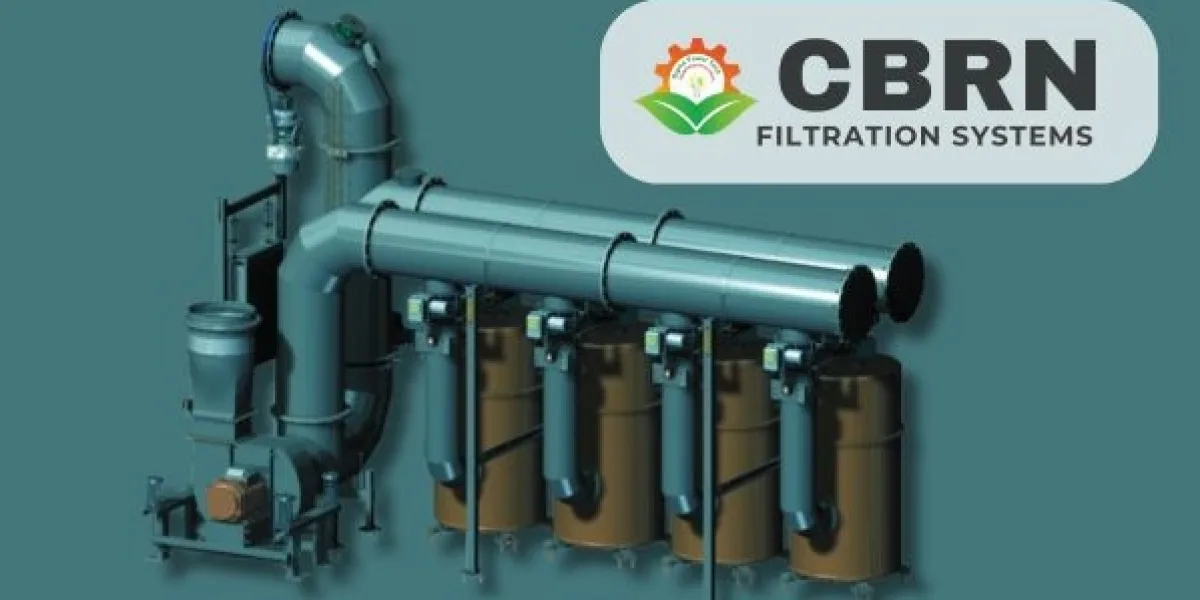
A CBRN Filtration System is designed to prevent hazardous airborne contaminants from entering protected facilities during nuclear incidents, biological outbreaks, toxic industrial releases, or chemical warfare events. Unlike conventional ventilation systems, these solutions combine advanced filtration, controlled airflow, contaminant monitoring, and positive pressure management.
An effective NBC filter system integrates multiple stages of air purification to remove radioactive particles, biological aerosols, and toxic gases before clean air reaches occupied spaces. Every component—from fan selection to filter housing design—must operate as part of a coordinated protection strategy.
How Engineering Quality Influences System Performance
Even premium filtration media cannot compensate for poor engineering or inconsistent manufacturing.
Proper airflow balancing, airtight construction, optimized pressure control, and validated filter performance determine whether contaminants remain outside protected areas. Manufacturers with extensive defence and industrial experience typically emphasize system integration rather than individual equipment performance, resulting in more reliable protection during emergency conditions.
Characteristics of a Reliable NBC Filtration Manufacturer
Not every supplier possesses the engineering capability required for high-security applications. Buyers evaluating the Top CBRN filtration system manufacturers in India or the Top NBC filtration system manufacturers in India should assess the manufacturer's overall technical competence rather than focusing exclusively on catalogue specifications.
Important indicators include:
- Proven experience in defence and critical infrastructure projects
- In-house engineering and manufacturing capabilities
- Documented testing and validation procedures
- Compliance with recognized quality and defence standards
- Ability to customize systems for specific facilities
- Comprehensive technical documentation
- Installation supervision and commissioning support
- Preventive maintenance programs
- Availability of replacement filters and spare components
- Long-term technical assistance
These factors collectively contribute to dependable system performance throughout the equipment lifecycle.
Engineering Features That Improve Protection
Modern NBC filtration systems incorporate multiple technologies that work together to maintain a safe indoor environment during contamination events.
Key engineering features include:
- High-efficiency HEPA filtration for radioactive particles and biological contaminants
- Activated carbon filtration for toxic gas adsorption
- Positive pressure operation to prevent contaminated air infiltration
- Corrosion-resistant construction for demanding environments
- Modular system architecture for scalable installations
- Continuous air monitoring compatibility
- Energy-efficient ventilation components
- Low maintenance design
- Extended operational service life
- Reliable emergency operating capability during backup power conditions
Each feature contributes to maintaining environmental integrity inside protected facilities when external conditions become hazardous.
Applications Across High-Security Facilities
The importance of reliable NBC filtration extends across numerous sectors where uninterrupted operation and personnel protection are essential.
Typical applications include:
- Military shelters
- Underground bunkers
- Defence command and control centres
- Ammunition storage facilities
- Border security infrastructure
- Nuclear power stations
- Chemical manufacturing plants
- Petrochemical facilities
- Government security buildings
- Emergency operation centres
- Strategic infrastructure
- Data centres supporting critical operations
Demand for NBC filters for bunker installations has increased as governments and private organizations invest in resilient infrastructure capable of operating during large-scale emergencies.
Selecting the Right System for Long-Term Performance
A high-performing filtration system begins with a detailed engineering assessment rather than equipment selection alone.
Critical evaluation factors include:
Threat Assessment
Expected nuclear, biological, and chemical risks determine filtration efficiency, adsorption capacity, and monitoring requirements.
Airflow Requirements
Shelter occupancy, ventilation rates, room configuration, and positive pressure objectives all influence system sizing.
Environmental Conditions
Temperature, humidity, dust loading, and corrosive environments affect equipment durability and filter service life.
Compliance and Monitoring
Facilities should verify applicable defence standards, quality certifications, control systems, and continuous monitoring capabilities before finalizing procurement.
Lifecycle Considerations
Maintenance accessibility, replacement filter availability, operating efficiency, and long-term reliability often provide greater value than minimizing initial acquisition costs.
Although procurement teams frequently search for terms such as NBC air filtration system price or Nbc filtration system in faridabad price, engineering suitability remains the most important criterion. A lower purchase price offers little value if the system cannot maintain protection under actual contamination conditions.
Buyer's Guide: Questions to Ask Before Choosing a Manufacturer
Before selecting a supplier, organizations should evaluate both technical capability and long-term service commitment.
A qualified manufacturer should demonstrate:
- Experience delivering complex NBC protection projects
- Strong defence engineering expertise
- Comprehensive manufacturing quality control
- Independent testing and validation procedures
- Product customization capabilities
- Complete engineering documentation
- Installation and commissioning assistance
- Preventive maintenance support
- Technical training for operators
- Proven long-term system reliability
For additional technical information on filtration design principles and integrated protection technologies, this overview of CBRN Filtration System provides useful engineering insights into contamination control solutions.
Common Mistakes During Manufacturer Selection
Several procurement errors continue to affect long-term system performance.
Common mistakes include:
- Selecting equipment without conducting a formal threat assessment
- Ignoring airflow and shelter pressurization calculations
- Underestimating filtration efficiency requirements
- Choosing suppliers based only on purchase cost
- Neglecting preventive maintenance planning
- Overlooking regulatory and defence compliance
- Failing to consider future facility expansion
- Using improper filter replacement strategies
- Inadequate commissioning and performance testing
- Overlooking the manufacturer's long-term technical support capabilities
Avoiding these issues improves operational readiness while reducing future maintenance challenges.
Conclusion
Choosing an NBC filtration system manufacturer is ultimately a decision about engineering quality, operational reliability, and long-term infrastructure resilience. A properly engineered CBRN Filtration System should deliver effective particulate filtration, toxic gas removal, positive pressure protection, and dependable performance throughout its service life.
Organizations responsible for defence facilities, industrial plants, government buildings, and other critical infrastructure should evaluate manufacturers based on technical expertise, validated engineering processes, compliance standards, and lifecycle support rather than procurement cost alone. Careful manufacturer selection strengthens occupant safety, improves emergency preparedness, and ensures critical facilities remain protected when facing nuclear, biological, or chemical threats.


