
The Cultural Roots of Skipping Breakfast in India
In India, the practice of skipping breakfast is not merely a modern convenience but is deeply woven into cultural traditions, religious practices, and historical lifestyles. For centuries, many communities followed a two-meal structure, especially in rural areas, where the first meal of the day was often a large, late-morning affair after completing morning chores. This was rooted in the agrarian lifestyle, where farmers would work in the fields from dawn and then break for a substantial meal around 10 or 11 a.m. This meal, often called 'brunch' in modern terms, was followed by a lighter dinner at sunset. The concept of a separate, early-morning breakfast as we know it today was less common.
Religious fasting also plays a significant role. Many Hindus observe fasts on specific days like Ekadashi, Purnima, or during festivals like Navratri. These fasts often involve skipping both breakfast and lunch, or having only a single meal after sunset. Similarly, Muslims observing Ramadan eat a pre-dawn meal (Sehri) and break the fast at dusk (Iftar), skipping the daytime meals including breakfast. Jains and some Hindu sects avoid eating after sunset, which can shift meal timings and sometimes lead to skipping breakfast the next day due to a small dinner. These practices have normalized the idea of going without food for extended periods, including the morning.
Urbanization has accelerated this tendency. In cities, long commutes and early work hours make it difficult for many to sit down for a traditional breakfast. Instead, a cup of tea or coffee on the go often becomes the substitute. Street foods like samosas, vada pav, or parathas are common but often eaten later in the morning, not as the first meal. The abundance of processed snacks and ready-to-eat cereals, marketed as quick breakfasts, has also shifted habits, but many still skip entirely due to lack of time or appetite.
Another cultural factor is the widespread belief that skipping breakfast helps with weight control. This myth is reinforced by some diet trends, despite growing evidence to the contrary. Additionally, in many Indian households, breakfast is viewed as an optional meal, while lunch and dinner are considered essential family gatherings. This hierarchy of meals further contributes to the casual attitude toward the first meal of the day.
Understanding these roots is crucial because they are not just about convenience but are tied to identity and tradition. Any advice to reinstate breakfast must respect these cultural nuances rather than dismiss them as mere laziness.
How Skipping Breakfast Disrupts Your Blood Sugar Regulation
After an overnight fast, your body relies on breakfast to replenish glucose stores and maintain stable blood sugar levels. When you skip this meal, your body enters a state of prolonged fasting that triggers several metabolic disruptions.
Normally, after eating, the pancreas releases insulin to help cells absorb glucose from the blood. Skipping breakfast extends the fasting period, causing blood sugar to drop. In response, the liver releases stored glucose to raise levels. However, this compensatory mechanism can overshoot, leading to higher-than-normal blood sugar spikes later in the day. Research shows that skipping breakfast is associated with poorer glycemic control and increased postprandial hyperglycemia after subsequent meals.
The Dawn Phenomenon and Breakfast Skipping
In the early morning, the body naturally produces hormones like cortisol and growth hormone that increase insulin resistance (the dawn phenomenon). Eating breakfast helps counteract this by improving insulin sensitivity. Without breakfast, insulin resistance persists, keeping blood sugar elevated. Over time, this repeated pattern can strain the pancreas and impair insulin secretion.
Impact on the Glycemic Response
Studies indicate that habitual breakfast skippers have higher fasting blood sugar and larger glucose excursions after lunch and dinner. This exaggerated response is partly due to the liver's overproduction of glucose in the absence of morning food. Additionally, skipping breakfast may reduce the activity of enzymes that help clear glucose from the blood, further contributing to hyperglycemia.
Clinical Evidence
A controlled trial found that healthy individuals who skipped breakfast for two weeks showed impaired beta-cell function and increased oxidative stress. These changes were reversible when breakfast was resumed. Another study noted that breakfast omission led to higher free fatty acid levels, which can worsen insulin resistance.
For individuals with diabetes or prediabetes, skipping breakfast is especially risky. It can lead to morning hyperglycemia and make blood sugar harder to control throughout the day. Consistent breakfast consumption has been linked to lower HbA1c levels and better overall glycemic management.
In summary, skipping breakfast disrupts the delicate balance of glucose regulation by prolonging fasting, triggering compensatory glucose release, and worsening insulin resistance. These effects set the stage for unstable blood sugar and increase the risk of metabolic dysfunction.
The Vicious Cycle: Breakfast Skipping and Insulin Resistance
Skipping breakfast does more than just leave you hungry—it sets off a physiological cascade that makes your body less efficient at processing sugar. When you go without food in the morning, your body enters a fasted state that persists for hours. In response, your liver ramps up glucose production to maintain energy levels. Normally, this is balanced by a small release of insulin. But when you skip breakfast repeatedly, cells become less sensitive to insulin's signal—a condition called insulin resistance. Over time, your pancreas must work harder to produce more insulin to keep blood sugar in check. This escalating demand can exhaust the pancreas and worsen resistance.
How a Late Lunch Compounds the Problem
By the time you eat lunch, your blood sugar may already be at a higher baseline due to the liver's sustained glucose output. A typical Indian lunch—often rich in refined carbohydrates like white rice or refined wheat rotis—can cause a dramatic surge in blood glucose. Because your cells are already desensitized, insulin struggles to drive glucose inside. The result: a sharp spike in blood sugar, followed by a rapid crash as the body overproduces insulin in a frantic attempt to compensate. This crash often triggers cravings for sugary snacks, leading to another cycle of high and low blood sugar.
Physical and Emotional Consequences
The direct effects of insulin resistance extend beyond blood sugar charts. Even a single day of skipping breakfast can elevate post-meal glucose levels by 20–30% in some individuals. Over weeks and months, this adds up to higher average blood sugar, increased HbA1c, and a greater risk of developing type 2 diabetes. In the short term, you may feel constant fatigue, brain fog, and irritability from unstable blood sugar. The mental toll is significant: the energy rollercoaster can lead to overeating, poor food choices, and guilt. For many, this pattern reinforces a negative relationship with food—making it harder to adopt healthier habits.
Breaking the Cycle Starts in the Morning
The good news is that the cycle is reversible. Eating a balanced breakfast—one that includes fiber, protein, and healthy fats—can stabilize morning blood sugar and improve insulin sensitivity by lunchtime. Studies show that people who eat breakfast regularly have lower insulin levels and better glucose tolerance throughout the day. Even a small meal, such as a bowl of vegetable upma with peanuts or a besan chilla, can provide the metabolic anchor needed to break the pattern. The key is consistency: the body learns to expect fuel in the morning, reducing the stress response that triggers excessive glucose production. Reinstating breakfast doesn't require a complete dietary overhaul—just a mindful shift to start the day with nourishment.
Practical Strategies to Reinstate Breakfast in the Indian Context
Reinstating breakfast doesn't mean a complete overhaul of your morning routine. Start with small, manageable changes that fit into the Indian lifestyle. The goal is to create a steady morning meal that stabilizes blood sugar and breaks the cycle of insulin resistance.
1. Start with What You Have
Use familiar ingredients to make breakfast easy and culturally acceptable. For example, a simple bowl of cooked oats (or steel-cut oats) with a pinch of salt and a sprinkle of roasted cumin seeds is a quick option. Alternatively, leftover roti can be crumbled into a pan with a little oil, turmeric, and mustard seeds for a savory roti upma. These dishes take under 10 minutes and use pantry staples.
2. Prep the Night Before
Morning rush is a common barrier. Soak a handful of almonds and a few dried figs overnight; in the morning, blend them with milk (or water) for a nutrient-dense smoothie. Chia seed pudding made with yogurt or milk can be prepared in a jar and kept in the fridge. Add chopped fruits like banana or papaya just before eating.
3. Balance the Plate
Aim for a mix of complex carbohydrates, protein, and healthy fats to prevent blood sugar spikes. Examples: Besan chilla (gram flour pancakes) with finely chopped onions and tomatoes, served with a dollop of yogurt. Or poha with peanuts, a squeeze of lemon, and a side of sprouted moth beans. Avoid chai alone or deep-fried items like samosa.
4. Use Your Lunchbox Mindset
Treat breakfast like a lunchbox meal: make extra at dinner or cook in batches. Cooked dalia (broken wheat) or quinoa can be stored for 2-3 days; simply reheat with a little water and garnish with cilantro. Hard-boiled eggs can be prepared in advance and eaten with a piece of fruit.
5. Address Time Constraints
If mornings are tight, eat a mini breakfast and pack a second breakfast for mid-morning. A handful of roasted peanuts and a banana can be consumed in 2 minutes. Gradually shift your first meal earlier until you have time for a proper breakfast. Set your alarm 15 minutes earlier to make space.
6. Involve the Family
Breakfast is more sustainable when it a family affair. Choose one day a week to cook a special breakfast together, like pongal or upma. Kids can help set the table or stir the batter. This builds a habit and makes the meal enjoyable.
Remember, consistency matters more than perfection. Even a small, balanced breakfast — like a glass of milk with a handful of nuts — is better than skipping. Over time, it will become a natural part of your routine, helping to regulate blood sugar and improve energy levels.
| Habit | Effect on Health |
|---|---|
| Skipping breakfast | Increases blood sugar levels |
| Irregular meal times | Disrupts metabolism and blood sugar control |
| High-carb breakfast (Indian diet) | Spikes blood sugar if not balanced |
| Adding protein/fiber to breakfast | Helps stabilize blood sugar |
Pros
- Skipping breakfast may lead to overeating later in the day
- Some people find intermittent fasting without breakfast helps with weight management
Cons
- Skipping breakfast can cause blood sugar spikes after later meals
- It disrupts the natural insulin response, especially in Indian diets high in carbs
- May increase risk of type 2 diabetes over time




Why is skipping breakfast a common practice in India?
How does skipping breakfast affect blood sugar regulation?
What is the dawn phenomenon and how is it related to breakfast skipping?
Can skipping breakfast lead to long-term metabolic issues?
Is skipping breakfast risky for people with diabetes or prediabetes?
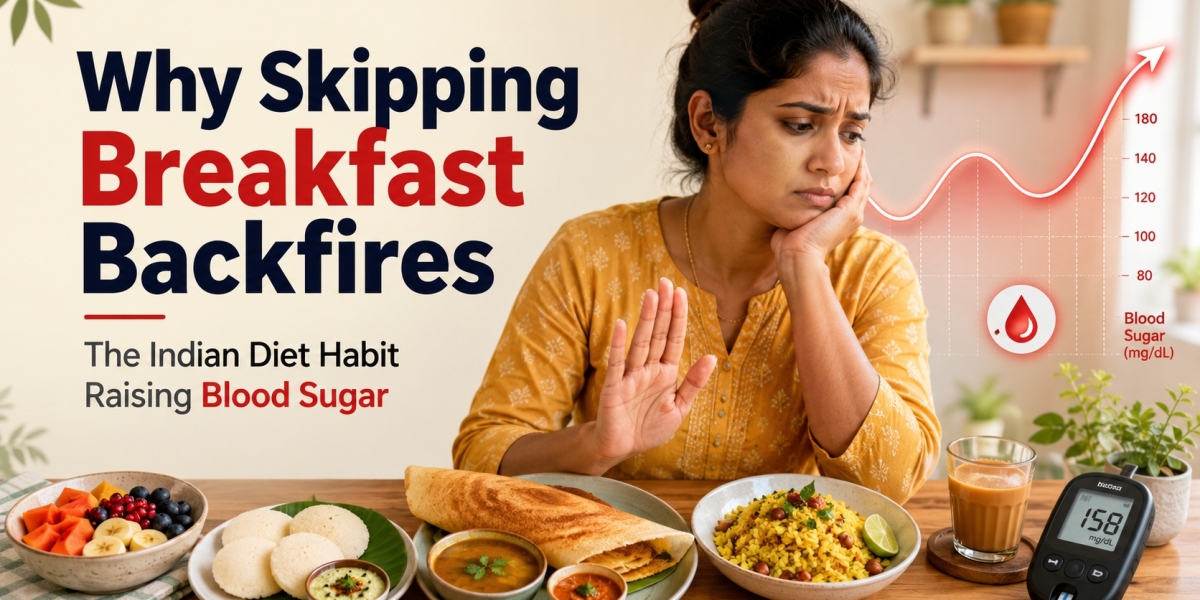
Skipping breakfast may seem like a quick way to cut calories, but for many Indians, this habit can actually raise blood sugar levels and backfire on health goals.Why Skipping Breakfast Backfires: The Indian Diet Habit Raising Blood Sugar


