ackage carriers face a variety of challenges while completing their daily delivery routes, and unexpected dog encounters are among the most common safety concerns. Employees may approach residential doorways, walk through driveways, enter apartment complexes, or deliver packages near unsecured yards where dogs are present. Even a familiar-looking dog can become territorial or defensive when a delivery worker approaches its property.
Implementing package carrier dog bite prevention practices can help delivery employees recognize potential hazards, make safer decisions, and reduce the risk of injuries while working. Proper training, awareness, and consistent safety procedures are essential for protecting employees throughout their daily routes.
Understanding Dog-Related Hazards on Delivery Routes
Package carriers often work independently and visit numerous properties throughout the day. This means they may encounter dogs in different environments, including fenced yards, open driveways, porches, garages, apartment buildings, and public sidewalks.
Common risk situations include:
-
Dogs escaping through open gates or doors.
-
Animals approaching delivery workers from behind vehicles.
-
Dogs barking or lunging through fences.
-
Customers allowing dogs to roam freely around delivery areas.
-
Unexpected encounters with multiple dogs.
-
Employees entering properties without knowing whether animals are present.
Recognizing these risks before approaching a delivery location is an important part of workplace safety.
1. Evaluate Every Property Before Approaching
Employees should develop the habit of observing their surroundings before leaving their vehicle or approaching a customer's door. Look for warning signs such as dog warning signs, barking, visible animals, open gates, damaged fencing, food bowls, and dog toys.
A property that appears safe from the street may contain an unsecured dog in the backyard or behind a partially open door.
If an employee notices an uncontrolled dog, they should avoid entering the property until the situation can be assessed safely. Following company procedures and contacting a supervisor when necessary is preferable to risking an injury to complete a delivery.
2. Follow Safe Doorstep and Gate Procedures
Opening a gate or approaching a front door can create an unexpected dog encounter. Package carriers should never assume that a fenced yard or closed door guarantees that an animal is secured.
Before entering a yard, employees should check for dogs and verify that the entrance is safe. If a customer has requested delivery inside a gate, the carrier should follow workplace procedures and avoid entering if an animal presents a potential hazard.
Employees should also avoid reaching through gates, attempting to interact with unfamiliar dogs, or making sudden movements near animals.
3. Recognize Warning Signs of Aggressive Behavior
Understanding canine body language can help delivery employees identify potentially dangerous situations early.
Warning signs may include:
-
Growling or snarling.
-
Stiff body posture.
-
Intense staring.
-
Raised hackles.
-
Lunging or snapping.
-
Blocking access or aggressively guarding an area.
A wagging tail does not automatically mean a dog is friendly. Employees should observe the dog's overall posture and behavior rather than relying on a single sign.
Recognizing these warning signals allows workers to maintain distance and avoid escalating an encounter.
4. Know How to Respond When a Dog Approaches
If a dog approaches aggressively, employees should avoid running, screaming, or making sudden movements. Running may encourage chasing, while aggressive gestures can increase the animal's excitement.
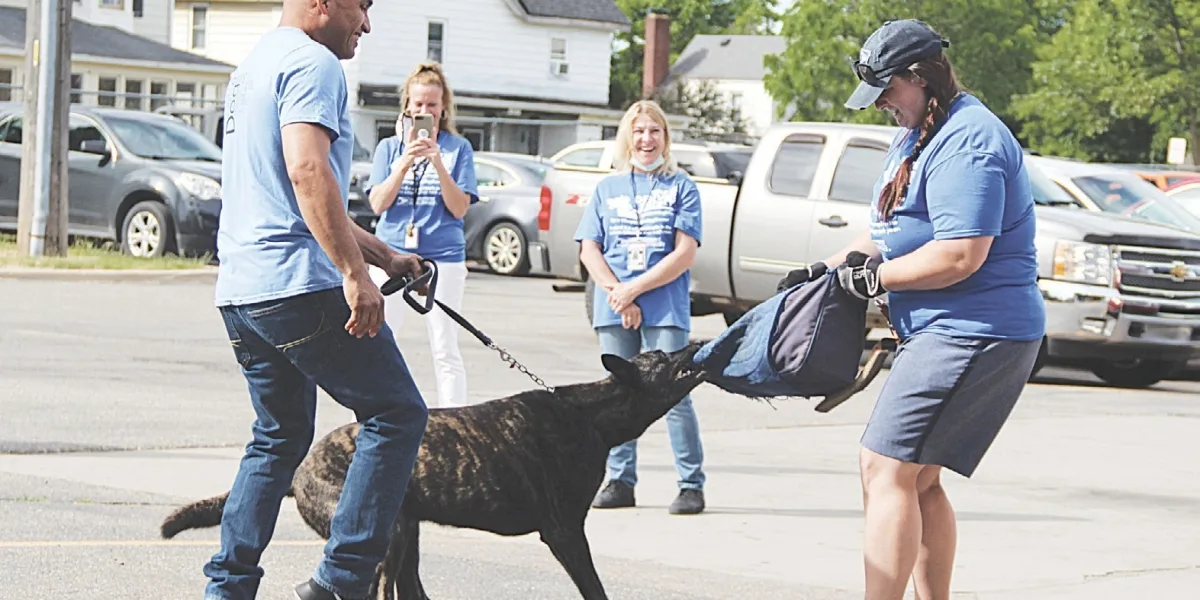
Workers should remain calm, avoid direct eye contact, and position themselves slightly sideways when possible. If a dog continues approaching, an available object such as a delivery bag, backpack, or clipboard may provide a barrier.
If the dog pauses, employees should slowly move toward a safer location without turning their backs or attempting to physically control the animal.
5. Report Unsafe Properties and Near Misses
Incident reporting is an important part of workplace safety. Employees should report aggressive dogs, unsecured animals, threatening encounters, and near misses even when no injury occurs.
Reports should include the property location, date, circumstances, dog description, and any relevant observations. This information helps supervisors identify recurring hazards and communicate safety concerns to other workers.
A consistent reporting system also allows employers to evaluate their procedures and make improvements based on real-world experiences.
6. Make Safety Training Part of Daily Operations
Effective package carrier dog bite prevention requires more than written instructions. Delivery organizations should provide regular training covering canine behavior, property assessments, safe delivery procedures, emergency responses, and incident reporting.
Training should be practical, easy to understand, and relevant to the environments employees encounter. New workers should receive safety education before beginning field assignments, while experienced employees should participate in refresher training.
Supervisors must also support workers who refuse to enter unsafe properties. Employees should never feel pressured to prioritize delivery completion over their personal safety.
Bulli Ray: Occupational Dog Bite Safety Training
Bulli Ray specializes in occupational dog bite safety training for package carriers, postal employees, delivery professionals, and other field workers who regularly encounter dogs.
The company offers online training courses, on-site instruction, and practical demonstrations with live dogs in controlled training environments. Its programs help employees understand canine behavior, recognize warning signs, evaluate potential hazards, and develop safer responses to unexpected dog encounters.
Employers can explore Bulli Ray's training resources at https://bulliray.com/ to learn more about workplace dog bite safety education.
Conclusion
Daily delivery routes require constant awareness, especially when employees encounter unfamiliar dogs at residential and commercial properties. Evaluating locations before approaching, following safe gate procedures, recognizing warning signs, maintaining distance, and reporting hazards can help reduce workplace risks.
A strong package carrier dog bite prevention program combines practical training, clear policies, employee communication, and management support. By making dog safety part of everyday delivery operations, organizations can help protect their employees and create safer working environments.