
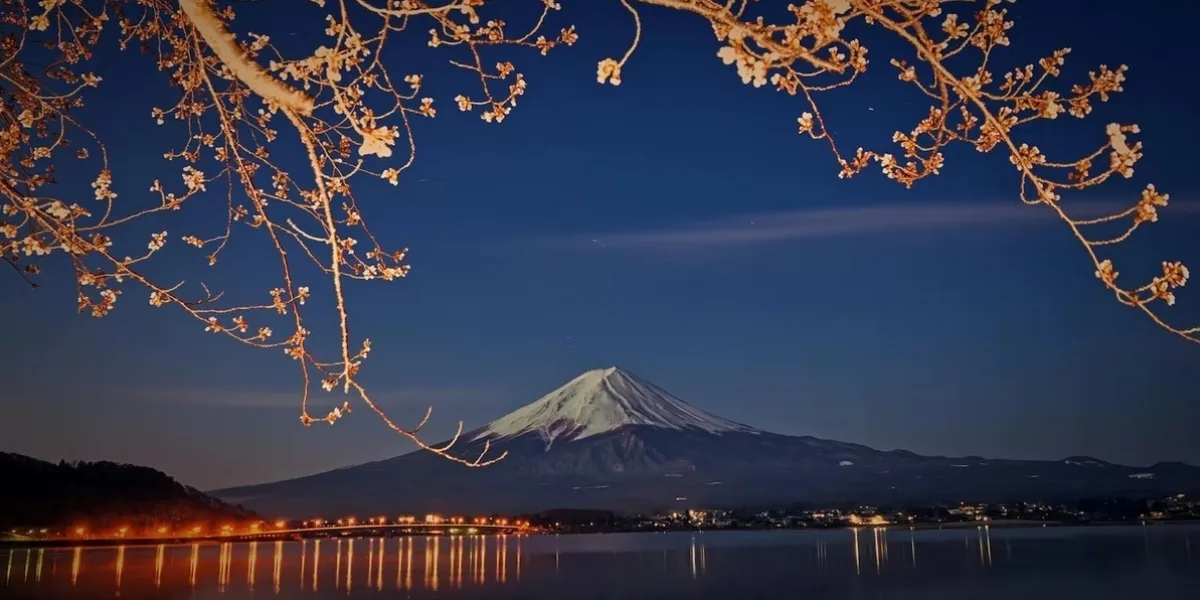
Japan offers countless memorable travel experiences, but few are as impressive as seeing Mount Fuji rise above the surrounding landscape. With its distinctive volcanic shape, snow-covered summit, and cultural significance, this famous mountain attracts visitors from around the world. For travelers staying in Tokyo, a Mt. Fuji day tour offers an opportunity to explore the mountain's scenic surroundings, discover traditional Japanese attractions, and experience a different side of the country without arranging an overnight stay.
Why Mount Fuji Is a Must-Visit Destination
Standing approximately 3,776 meters above sea level, Mount Fuji is Japan's highest mountain and one of its most recognizable national symbols. Its symmetrical volcanic profile has inspired artists, poets, photographers, and travelers for centuries.
Beyond its natural beauty, Mount Fuji holds considerable spiritual and cultural importance. It has long been associated with religious pilgrimage and traditional Japanese beliefs. Its surrounding landscape also provides opportunities to explore lakes, forests, historic shrines, and traditional villages.
The mountain and its surrounding cultural sites were recognized together as a UNESCO World Heritage property in 2013, reflecting their importance in Japanese history and artistic heritage.
For international visitors, the Mount Fuji area provides a refreshing contrast to Tokyo's busy streets, modern architecture, and crowded shopping districts.
What Makes a Day Trip to Mount Fuji Special?
A visit to the Mount Fuji region offers more than simply looking at a famous mountain. The surrounding area has several attractions that allow travelers to experience different aspects of Japanese scenery and culture.
Beautiful Views Around Lake Kawaguchi
Lake Kawaguchi is one of the most popular places for viewing Mount Fuji. Its calm waters, mountain surroundings, and attractive lakeside scenery create excellent opportunities for photography.
On clear days, the mountain can appear beautifully reflected across the lake. Visitors can enjoy lakeside walks, explore nearby attractions, or simply relax while appreciating the landscape.
The changing seasons make the area particularly attractive. Cherry blossoms bring colorful scenery in spring, while autumn introduces warm shades of red and gold. Winter often provides crisp views of the mountain with its famous snow-covered summit.
Explore Oshino Hakkai
Oshino Hakkai is a traditional village known for its clear spring-fed ponds and charming atmosphere. The water originates from snowmelt that filters through the volcanic layers of Mount Fuji over many years.
Visitors can walk between the ponds, admire traditional architecture, sample local specialties, and enjoy views of the surrounding countryside.
The village offers an interesting cultural experience and a peaceful setting away from Japan's larger cities.
Visit Mount Fuji's Fifth Station
The Fifth Station is one of the most accessible viewpoints on Mount Fuji's slopes. Located high above the surrounding landscape, it provides visitors with a closer look at the mountain without requiring a full summit climb.
Travelers can explore the viewing areas, visit local shops, and enjoy the atmosphere of this popular mountain destination. Access depends on road conditions, weather, and seasonal restrictions, so the itinerary may need to change depending on the time of year.
The Best Time to Visit Mount Fuji
Mount Fuji can be visited throughout much of the year, but the scenery and visibility vary considerably by season.
Spring: Cherry blossoms and fresh greenery make spring an attractive period for sightseeing. The contrast between flowering trees and Mount Fuji can create beautiful photographic opportunities.
Summer: The surrounding lakes and countryside become lively with outdoor activities. However, humidity and cloud cover can sometimes make the mountain difficult to see.
Autumn: Colorful foliage transforms the surrounding landscape. Lakeside parks and mountain viewpoints become especially attractive during the autumn season.
Winter: Clear, cold days can offer excellent opportunities to see Mount Fuji with its iconic snow-covered summit. Travelers should be prepared for low temperatures and possible weather-related restrictions.
For the best chance of seeing the mountain clearly, early morning is generally preferable. Clouds can develop as the day progresses, so visibility is never guaranteed.
Why Choose a Guided Private Day Tour?
Planning a trip to the Mount Fuji region independently can involve researching train schedules, connecting local buses, checking attraction opening times, and managing several transportation arrangements.
A guided private tour can make the experience more convenient by organizing transportation and allowing visitors to explore multiple destinations in one day.
Flexible Travel Arrangements
Private travel provides greater flexibility than many fixed group itineraries. Visitors can discuss their interests and choose attractions that match their preferred travel style, subject to the available schedule and road conditions.
Families, couples, and small groups may particularly appreciate having a dedicated vehicle rather than coordinating several public transportation connections.
Comfortable Transportation
The journey from Tokyo to the Mount Fuji area can take time, especially when traveling between different sightseeing locations. A private vehicle provides a comfortable environment for relaxing between stops and enjoying the countryside along the way.
More Time for Sightseeing
A well-organized itinerary helps reduce the time spent arranging transportation. Instead of concentrating on complicated connections, travelers can focus on enjoying the scenery, taking photographs, and discovering local attractions.
A More Personalized Experience
Different travelers have different priorities. Some prefer photography and natural scenery, while others are interested in traditional villages, local food, and cultural landmarks.
A personalized itinerary makes it easier to create a balanced day based on individual interests and available time.
Photography Opportunities Around Mount Fuji
Mount Fuji is one of Japan's most photographed natural landmarks, and its surrounding region offers a wide variety of scenic locations.
Lake Kawaguchi is especially popular for reflection photography, while traditional villages such as Oshino Hakkai provide opportunities to capture Japanese architecture with the mountain in the background.
Visitors interested in distinctive compositions can also explore Arakurayama Sengen Park, famous for its five-storied Chureito Pagoda and panoramic views of Mount Fuji.
For better photography conditions, consider the following tips:
-
Start sightseeing early to improve your chances of clear mountain views.
-
Carry a camera or smartphone with sufficient storage.
-
Bring a suitable lens for both landscape and detailed photography.
-
Check the weather forecast before departure.
-
Allow extra time at scenic viewpoints instead of rushing between locations.
The mountain's appearance can change throughout the day, making patience an important part of capturing memorable photographs.
What to Prepare Before Your Day Trip
A little preparation can make a Mount Fuji excursion more comfortable and enjoyable.
Wear comfortable walking shoes, especially if your itinerary includes village paths, observation areas, or lakeside walks. Temperatures around the mountain can be considerably cooler than in central Tokyo, so bringing an additional layer of clothing is advisable.
A light rain jacket, drinking water, sunscreen, and portable phone charger can also be useful. During winter, warm clothing is particularly important.
It is equally important to check the planned attractions and transportation arrangements in advance. Some mountain roads and sightseeing locations may have seasonal restrictions or temporary closures.
Travelers should also remember that Mount Fuji is not always visible. Cloud cover and weather conditions can affect visibility even when the surrounding area appears pleasant.
Making the Most of Your Japan Travel Experience
A trip to Mount Fuji can be combined with other Japanese experiences to create a more memorable holiday. Visitors can explore traditional food markets, enjoy regional specialties, discover historic shrines, or spend time around the Fuji Five Lakes.
The area also provides opportunities to experience a quieter atmosphere compared with major urban destinations. This balance between natural scenery and cultural discovery makes the region appealing to different types of travelers.
For those planning a longer Japanese holiday, a Mount Fuji excursion can complement visits to Tokyo, Kyoto, Osaka, and other popular destinations.
Frequently Asked Questions
Can Mount Fuji be visited in one day from Tokyo?
Yes. The Mount Fuji region is accessible from Tokyo, making it suitable for a full-day sightseeing excursion. The exact itinerary depends on transportation, traffic, weather, and the number of attractions selected.
Is climbing Mount Fuji necessary to enjoy the visit?
No. Visitors can enjoy impressive mountain views from surrounding lakes, villages, parks, and designated observation areas without climbing to the summit.
What happens if Mount Fuji is covered by clouds?
Visibility depends on weather conditions, and the mountain may be partially or completely hidden. Visitors can still enjoy surrounding attractions, traditional villages, lakes, and local experiences.
Is a private vehicle useful for exploring the Mount Fuji area?
A private vehicle can make it easier to visit multiple attractions, particularly when traveling with family or a group. It also reduces the need to coordinate different local transportation connections.
What should visitors wear?
Comfortable walking shoes and clothing suitable for the season are recommended. Temperatures around the mountain can be cooler than in Tokyo, so an additional layer is useful throughout the year.
Conclusion
Mount Fuji represents some of Japan's most remarkable natural beauty and cultural heritage. From the peaceful shores of Lake Kawaguchi to the traditional atmosphere of Oshino Hakkai, its surrounding region offers plenty of opportunities for sightseeing, photography, and relaxation.
A well-planned day trip allows visitors to experience these highlights without needing to arrange an overnight stay. With comfortable transportation, flexible sightseeing arrangements, and time to appreciate the scenery, exploring Mount Fuji can become an unforgettable part of any Japanese travel itinerary.


