
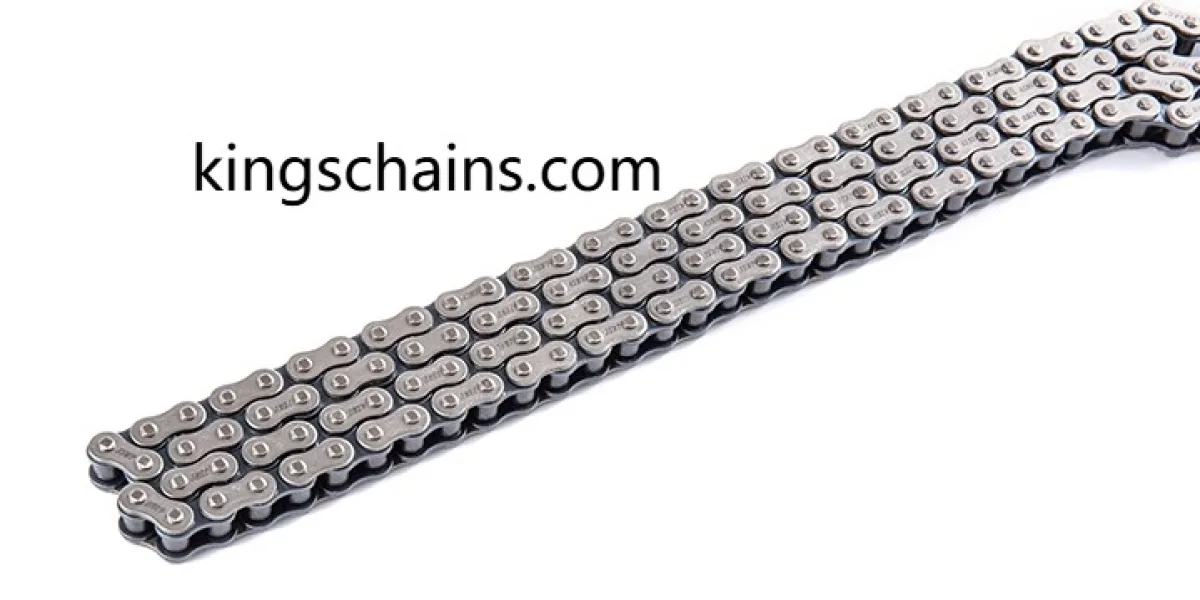
Motorcycle Roller Chain selection involves more than comparing prices or checking product appearance. Buyers need to consider dimensions, material properties, structural design, and manufacturing consistency before making a purchasing decision. For distributors, wholesalers, and equipment-related businesses, a detailed evaluation can reduce compatibility issues and make supplier communication more efficient. Preparing clear technical requirements also helps manufacturers recommend suitable specifications for different applications.
Confirm the Model and Dimensional Requirements
Start by identifying the required model and checking its main dimensions. Different applications may require specific pitches, diameters, inner widths, pin measurements, and plate thicknesses. Even minor dimensional differences can affect installation and compatibility with existing equipment.
Buyers can provide technical drawings, product samples, or detailed specification sheets as references. These materials help suppliers understand the expected dimensions and reduce potential misunderstandings. When replacing an existing component, checking the original model number is also a practical step.
Length and link quantity should be confirmed before production begins. Buyers should also clarify whether standard specifications meet their needs or whether customized dimensions are necessary. Accurate information makes sample evaluation and order confirmation more straightforward.
Examine the Materials Used in Each Component
Material selection has a direct relationship with product performance. A complete assembly contains several parts, such as inner plates, outer plates, pins, bushings, and rollers. Each component performs a different function and may have specific material requirements.
Steel grade, hardness, and heat treatment are important details to discuss with a supplier. These factors can influence strength, wear resistance, and durability under different operating conditions. Buyers should request relevant technical information instead of relying entirely on general product descriptions.
It is also useful to understand how raw materials are selected and processed. Clear information about material specifications allows purchasing teams to compare different options and assess whether the proposed construction matches their application requirements.
Compare Sealed and Non-Sealed Structures
Product structure is another factor worth considering. Non-sealed designs may suit applications with conventional lubrication and maintenance arrangements. Sealed versions include additional sealing elements that help retain lubricant and reduce the entry of external contaminants.
Buyers should evaluate operating speed, environmental conditions, maintenance expectations, and lubrication needs before choosing a design. These factors help determine which construction is appropriate for the intended equipment.
Connecting components and related accessories also deserve attention. Purchasers should confirm their dimensions and compatibility before ordering. This step can help prevent installation difficulties and avoid unnecessary adjustments after delivery.
Review Manufacturing and Inspection Procedures
Manufacturing consistency is important when purchasing commercial quantities. Buyers can ask suppliers about stamping, component processing, heat treatment, assembly, and packaging procedures. Understanding these stages provides a clearer picture of how products are prepared before shipment.
Inspection arrangements should also be discussed. Common evaluation methods include dimensional measurement, hardness testing, tensile testing, length inspection, and fatigue testing. The selected procedures should correspond to the agreed technical specifications.
Purchasers may request inspection records or sample test reports when available. Before confirming a bulk order, both parties should establish acceptance criteria, measurement requirements, and applicable tolerances. Written quality requirements can provide a useful reference during production and delivery.
Evaluate Samples Before Bulk Purchasing
Samples allow buyers to examine actual product details before committing to a larger quantity. During evaluation, purchasers can check dimensions, surface condition, assembly quality, and compatibility with the intended equipment.
Where possible, testing should take place under conditions similar to actual operation. This approach may reveal issues that are difficult to identify through photographs or specification documents alone.
Buyers should also clarify whether the approved sample will serve as the production reference. Any agreed changes to materials, dimensions, or construction should be documented before manufacturing starts. Keeping sample approval records can make subsequent quality discussions more efficient.
Discuss Delivery and Long-Term Supply Requirements
Product suitability is only one part of a purchasing decision. Buyers should also confirm production schedules, minimum order quantities, packaging details, shipping arrangements, and payment terms before placing an order.
For businesses with regular purchasing plans, supply stability and communication efficiency deserve attention. It is helpful to understand how a supplier handles technical questions, specification adjustments, and quality concerns after delivery.
A practical supplier assessment should therefore include technical capability, sample evaluation, inspection procedures, production planning, and communication. Comparing these factors provides a more complete basis for choosing a suitable manufacturing partner.
Discuss Your Product Requirements with kingschains
A well-prepared purchasing plan begins with clear specifications and realistic application requirements. By checking dimensions, materials, structural options, and inspection arrangements, buyers can make more informed decisions and reduce avoidable issues during procurement.kingschains offers product options for businesses with different sourcing requirements. Buyers can contact the company to discuss model selection, technical details, sample arrangements, and bulk order planning. Visit https://www.kingschains.com/ for further product information and supplier details.


