
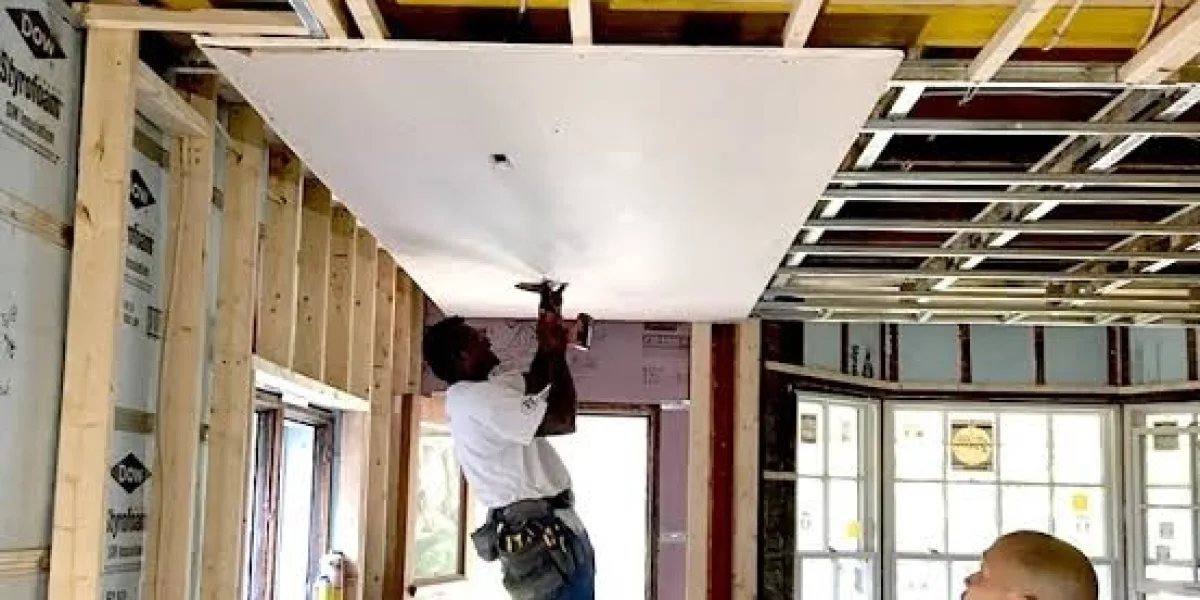
Creating smooth interior walls starts with proper planning, accurate measurements, and the right materials. Homeowners updating a bedroom, adding a new room, or remodeling an older property need wall surfaces that look clean and support the rest of the interior design. Working with Gainesville FL Drywall Installation Experts can help homeowners prepare their spaces for quality drywall installation and a finished appearance. From choosing suitable drywall panels to preparing framing and finishing seams, each step affects the final result. Understanding the installation process can help homeowners make better decisions and avoid common problems during interior construction.
Preparing Your Home for New Drywall
Check the Framing Before Installation
Drywall needs a suitable surface for secure installation. Studs, ceiling supports, corners, and openings should be checked before panels are attached. Uneven framing can make panels difficult to position and may lead to visible imperfections after finishing.
Homeowners should also make sure necessary framing work is complete. Proper preparation helps reduce installation delays and creates a better foundation for the drywall.
Complete Electrical and Plumbing Work
Electrical wiring, plumbing lines, and other components behind the walls should be installed and checked before drywall covers them. Electrical boxes should be positioned correctly, and necessary inspections should be completed according to local requirements.
Clear the Work Area
Removing furniture, decorations, and personal belongings from the installation area makes it easier to handle drywall panels. Flooring and nearby fixtures should also be protected from dust and construction materials.
Choosing the Right Drywall Materials
Standard Drywall for Everyday Spaces
Standard drywall is commonly used in living rooms, bedrooms, hallways, and many other interior spaces. It creates a consistent surface for paint and interior decoration.
Panel size and thickness should be selected according to the framing, wall design, and project requirements. Proper material selection helps installers work efficiently while creating a stable wall surface.
Moisture Resistant Drywall
Areas with higher humidity may require moisture resistant drywall, depending on the room and construction requirements. These panels may be appropriate for certain applications, but they do not replace waterproofing systems where waterproofing is necessary.
Fire Rated Drywall
Some locations in residential properties require fire rated drywall. The appropriate materials depend on local building requirements and the construction design. Homeowners should discuss material choices before installation begins.
Understanding the Installation Process
Measuring and Cutting Panels
Installers measure wall sections and cut panels to fit around windows, doors, electrical boxes, and other openings. Accurate cutting helps reduce unnecessary gaps and material waste.
Securing Panels to Framing
Drywall panels are attached to framing using appropriate fasteners. Installers carefully position each panel to maintain alignment and create a consistent surface. Proper fastening helps prevent loose panels and unnecessary movement.
Taping and Applying Joint Compound
Once the panels are installed, seams and fastener areas are finished with joint compound. Tape is applied to panel joints, followed by compound coats that gradually create a smooth transition between sections.
Why Drywall Finishing Is Important
Creating Smooth Surfaces
Finishing helps remove visible seams, uneven edges, and small surface imperfections. Multiple coats of compound may be necessary, depending on the wall condition and desired finish.
Sanding and Preparing for Paint
After the compound dries, the wall is sanded to create a consistent surface. Dust is removed, and the drywall is prepared for primer. Careful sanding helps prevent bumps and rough areas from showing through paint.
Checking the Walls Under Lighting
Natural light and room lighting can reveal surface imperfections. Walls should be inspected before painting so that uneven areas can be addressed during the finishing stage.
Common Drywall Installation Problems to Avoid
Poor preparation can create problems that become noticeable after the project is completed. Homeowners should pay attention to framing alignment, panel positioning, and finishing quality.
Common installation mistakes include:
-
Incorrect panel measurements.
-
Poor fastening and loose drywall.
-
Uneven joints and visible seams.
-
Inadequate sanding.
-
Installing drywall before necessary work is complete.
-
Using unsuitable materials for the intended room.
Careful planning helps prevent these problems and supports a better finished interior.
FAQs
How long does drywall installation take?
The timeline depends on the room size, framing conditions, panel installation, and finishing requirements. Drying time between compound applications can also affect the schedule.
Which drywall is best for bedrooms?
Standard drywall is commonly used for bedrooms. Material selection should depend on the construction requirements and intended use of the room.
Can drywall be installed during remodeling?
Yes. Drywall is commonly installed after framing, insulation, electrical, and plumbing work has been completed.
Why is drywall sanding necessary?
Sanding removes raised areas and imperfections in joint compound. It helps create a smooth surface for primer and paint.
Should drywall be primed before painting?
Yes. Primer helps prepare drywall and joint compound for paint and can support a more consistent finished appearance.
Conclusion
Proper drywall installation helps create attractive interior walls and prepares rooms for painting and decoration. From framing preparation and material selection to joint finishing and sanding, every step contributes to the final appearance. Homeowners planning an interior improvement project can book interior improvement services with In&Out You Name It LLC to move forward with their drywall installation needs.


