
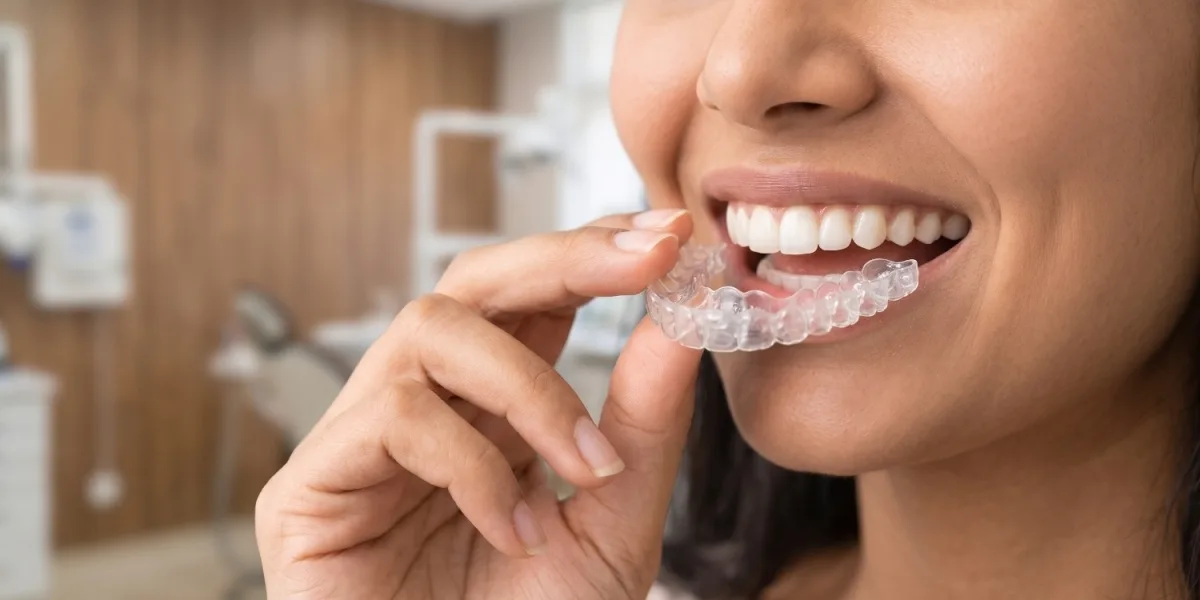
A straighter smile can make everyday activities such as speaking, eating, and smiling feel more comfortable. However, choosing the right orthodontic treatment involves more than selecting a clear appliance. People considering Teeth Aligners in Islamabad should understand how treatment planning works, what makes a suitable candidate, and why regular dental supervision matters. Clear aligners offer a removable approach to correcting selected alignment problems, but their success depends on careful assessment, consistent wear, and realistic expectations.
Why Do People Consider Clear Aligners?
Teeth do not always grow into perfectly aligned positions. Some people develop crowding, gaps, rotated teeth, or bite irregularities during childhood and adolescence. Others notice changes later in life as their teeth gradually shift.
These concerns can affect more than appearance. Crowded teeth may create areas that are difficult to clean, while certain bite problems can contribute to uneven contact between teeth. Some people also feel uncomfortable showing their teeth in photographs or during conversations.
Traditional braces remain an effective option for many orthodontic cases. However, their brackets and wires are visible and remain attached throughout treatment. Clear aligners provide another approach by using removable transparent trays to apply controlled pressure to selected teeth.
The decision should depend on dental needs rather than appearance alone. An orthodontic professional can explain whether aligners offer a suitable solution or whether another treatment would provide better control.
What Makes an Aligner Treatment Plan Reliable?
A good treatment plan begins with understanding the patient's existing dental condition. A digital preview or a set of transparent trays cannot replace a proper examination.
Several elements contribute to a well-planned aligner treatment.
1. A Detailed Dental Examination
Before recommending aligners, a dentist or orthodontist should examine the teeth, gums, bite, and supporting structures. Existing dental problems may need attention before tooth movement begins.
For example, someone with untreated gum inflammation may need periodontal care first. Similarly, cavities, damaged fillings, or other dental concerns should receive appropriate attention before starting orthodontic treatment.
The examination also helps identify the type and extent of tooth movement required. Mild spacing may need a different approach from significant crowding or a complicated bite concern.
2. Accurate Records and Scans
Dental impressions or digital scans help create a detailed representation of the patient's teeth. Depending on the case, the clinician may also request photographs and dental X-rays.
These records serve different purposes:
-
Digital scans show the current positions and shapes of teeth.
-
Clinical photographs help document the starting condition.
-
X-rays provide information about roots, bone, and other structures when clinically necessary.
-
Bite records help assess how the upper and lower teeth meet.
The clinician uses these findings to develop an appropriate treatment plan. A digital scan is useful, but it should always form part of a broader clinical assessment.
3. Individualised Tooth Movement
Every patient has a different dental structure. Even two people with similar-looking front teeth may require different treatment approaches because their roots, bite relationships, and supporting structures are not identical.
An aligner plan should account for the movement each tooth needs. Some movements are more predictable than others, and certain cases require attachments or additional orthodontic techniques.
A professional should explain the intended changes and discuss any limitations before treatment begins.
How Clear Aligners Gradually Move Teeth
Clear aligners use a series of custom-made plastic trays. Each tray has a slightly different shape from the previous one and applies controlled pressure to selected teeth.
Patients generally move through the planned sequence according to their clinician's instructions. As the teeth respond to the pressure, they gradually approach the positions outlined in the treatment plan.
The process involves several stages:
Initial records: The dental team examines the teeth and collects the information needed for planning.
Treatment design: The clinician evaluates the required movements and prepares a suitable sequence.
Aligner production: Custom trays are manufactured according to the approved plan.
Daily wear: Patients wear their aligners for the recommended number of hours and remove them for meals, drinks other than water, and cleaning.
Progress reviews: The clinician checks tooth movement, tray fit, oral health, and any concerns.
Final assessment: Once the planned movement is complete, the clinician evaluates the result and explains the retention phase.
Not every tooth responds exactly as a digital simulation predicts. The treatment team may need to adjust the plan or provide additional trays if certain teeth do not move as expected.
Who May Benefit from Teeth Aligners?
Clear aligners can help address several mild to moderate orthodontic concerns. Suitability depends on the patient's dental condition and the complexity of the required movement.
Mild Crowding
Crowding occurs when teeth do not have enough space to sit in their intended positions. Some teeth may overlap or rotate slightly.
Aligners can help manage selected crowding cases by gradually moving teeth into a more organised arrangement. However, the clinician must determine whether enough space exists for the planned movement.
Gaps Between Teeth
Small spaces between teeth can develop for several reasons, including natural tooth size, missing teeth, or differences in dental development.
Aligners may help close suitable gaps. However, the dentist should identify the underlying reason for the spacing before recommending treatment.
Slightly Rotated Teeth
Some teeth develop a twisted appearance because they erupt at an angle or lack sufficient space. Certain rotations respond well to aligner treatment, although more difficult movements may require additional techniques.
Minor Bite Irregularities
Selected bite concerns may improve with clear aligners. However, complex bite relationships, significant jaw discrepancies, or severe orthodontic problems may require fixed braces or a combination of treatments.
A consultation is the best way to understand which option is appropriate.
When Might Another Orthodontic Treatment Be Better?
Clear aligners are not suitable for every patient. Some dental conditions require more precise control or a different treatment approach.
Fixed braces may offer advantages in cases involving:
-
Severe crowding or complicated tooth rotations.
-
Significant bite discrepancies.
-
Complex tooth movements.
-
Certain vertical or root-positioning concerns.
-
Cases where removable appliances may not provide sufficient control.
In some situations, a clinician may recommend a combination of orthodontic techniques. The goal should be a healthy, functional result rather than choosing a treatment simply because it looks less noticeable.
Patients should feel comfortable asking why a particular option has been recommended and what alternatives are available.
The Importance of Monitoring During Treatment
Receiving the aligner trays is only one part of the process. Follow-up appointments help the dental team determine whether the teeth are moving according to the plan.
Checking Tray Fit
An aligner should sit closely against the teeth. Small gaps between the tray and tooth surface may indicate that the tooth has not followed the expected movement.
Poor fit can result from inconsistent wear, an unexpected tooth response, or another issue that requires assessment.
Patients should not force a tray into position if it causes unusual pain or does not fit correctly. They should contact their dental provider for guidance.
Identifying Tracking Problems
Tracking describes how closely the actual tooth movement follows the planned movement. If a tooth falls behind, later trays may not fit properly.
The clinician can evaluate the problem and decide whether the patient should continue with the current tray, return to an earlier one, or receive additional instructions.
Ignoring tracking problems may affect the progress of treatment. Regular reviews help identify these concerns before they become more difficult to manage.
Reviewing Oral Health
The dental team should also monitor gum health, tooth surfaces, and overall oral hygiene. Aligners cover the teeth for much of the day, so proper cleaning becomes especially important.
Regular check-ups allow the clinician to address concerns before they interfere with orthodontic progress.
Daily Habits That Can Influence Treatment
Clear aligners offer flexibility, but patients need to follow a consistent routine. Everyday habits can affect both treatment progress and oral health.
Follow the Recommended Wearing Schedule
Patients should wear their aligners for the number of hours prescribed by their clinician. Removing trays too frequently can reduce the time available for controlled tooth movement.
It may take a few days to develop a comfortable routine. Keeping the aligner case in a familiar place can make it easier to remember where the trays belong.
Remove Aligners Before Eating
Most clear aligners should be removed before meals. Eating with them can damage the plastic, affect their shape, or trap food against the teeth.
Patients should also follow their provider's advice about drinks. Water is generally the safest choice while wearing aligners.
Maintain a Consistent Cleaning Routine
Food particles and plaque can collect around teeth and aligners. Patients should brush their teeth before putting the trays back in after meals whenever possible.
A useful daily routine includes:
-
Brushing twice a day with fluoride toothpaste.
-
Cleaning between teeth with floss or an appropriate interdental aid.
-
Rinsing aligners as directed.
-
Cleaning trays with products recommended by the provider.
-
Avoiding hot water that could distort the plastic.
Good hygiene supports gum health and helps reduce the risk of cavities during treatment.
Avoid Wrapping Trays in Tissues
One common problem occurs when patients remove their aligners at restaurants or during social events and place them in a tissue. The trays can easily be thrown away by mistake.
A protective case provides a safer place to store them. Patients should also avoid leaving aligners in direct sunlight or in hot environments.
What Should Patients Expect During the First Few Days?
New aligners can create pressure as they begin moving the teeth. Some people experience mild tenderness, particularly when changing to a new tray.
The sensation usually differs from person to person. It may be more noticeable during the first few days of a new aligner stage.
Speech can also feel slightly different at first. Some patients notice a temporary change in pronunciation, especially when producing certain sounds. Reading aloud or practising normal conversation may help them adjust.
However, severe pain, swelling, bleeding, or a sharp edge that repeatedly injures the mouth should not be ignored. Patients should contact their dental provider rather than attempting to modify the trays themselves.
Understanding Teeth Aligners Cost in Islamabad
Treatment expenses depend on several clinical and practical factors. There is no single price that applies to every patient because the number of trays and complexity of tooth movement can vary considerably.
People researching Teeth Aligners cost should consider the complete treatment plan instead of comparing prices alone.
Factors That Affect the Total Cost
Case complexity: A straightforward alignment concern may require less treatment than a complicated orthodontic case.
Number of aligners: The number of trays depends on the movements planned and the expected treatment stages.
Additional procedures: Some patients may need attachments, refinements, or other clinically appropriate procedures.
Professional supervision: Treatment planning, progress assessments, and follow-up care form important parts of orthodontic treatment.
Retainers: Retention appliances may involve an additional expense, depending on the provider's treatment package.
Before making a decision, patients should ask for a clear explanation of the quoted amount. They can also confirm whether follow-up visits, replacement trays, refinements, and retainers are included.
A lower initial quote may not represent the complete cost if important parts of treatment are charged separately.
Questions to Ask Before Choosing an Aligner Provider
Selecting a dental provider is an important part of the treatment process. Patients should understand who will assess their teeth, prepare the treatment plan, and monitor progress.
Here are some useful questions to ask during a consultation:
-
Am I a suitable candidate for clear aligners?
-
What dental or bite concerns will the treatment address?
-
Who will supervise my orthodontic treatment?
-
How often will I need progress appointments?
-
What happens if a tooth does not move according to the plan?
-
Could I need additional trays or attachments?
-
What is included in the quoted treatment price?
-
Will I need retainers after completing treatment?
A reliable provider should explain the treatment in understandable language. Patients should receive realistic information about possible outcomes, limitations, and alternative options.
People looking for professional dental guidance can explore the services available at Dental Clinic Islamabad and arrange an assessment to discuss their individual dental concerns.
Why Retainers Matter After Aligners
Completing the final aligner tray does not mean the treatment process has permanently finished. Teeth can gradually shift after orthodontic treatment because the surrounding tissues need time to adapt to their new positions.
Retainers help maintain the alignment achieved during treatment. The dentist may recommend removable or fixed retainers depending on the patient's needs.
Patients should follow the prescribed wearing schedule. Some retainers require full-time wear initially, followed by nighttime use, while others may follow a different routine.
Retainers also need proper care. Removable appliances should be cleaned as instructed and stored safely when not in use. Fixed retainers require careful brushing and cleaning around the bonded wire.
Skipping retention can increase the risk of relapse, particularly in areas where teeth were previously crowded or spaced.
Common Mistakes That Can Affect Aligner Treatment
Patients often focus on wearing the trays but overlook other parts of the treatment routine. Avoiding common mistakes can make the experience easier to manage.
Wearing aligners inconsistently: Frequent removal can interfere with the planned movement.
Changing trays too early: Moving to the next stage without professional guidance may cause poor fit or discomfort.
Ignoring damaged trays: Cracked or distorted aligners may not apply pressure as intended.
Neglecting oral hygiene: Placing trays over unclean teeth can trap food particles and plaque.
Missing review appointments: Regular assessments help the clinician identify problems and adjust the treatment plan.
Stopping retainers: Teeth may shift after treatment if patients do not follow retention instructions.
Patients should communicate with their dental team whenever they notice an unusual change rather than trying to solve treatment problems independently.
Final Thoughts
Clear aligners provide a removable and discreet option for correcting selected orthodontic concerns. However, the quality of the treatment depends on more than the trays themselves. Accurate records, suitable case selection, individualised planning, consistent wear, and professional monitoring all contribute to a well-managed process.
Before starting treatment, patients should understand their dental condition, compare appropriate treatment options, and ask about the complete cost. They should also consider the commitment involved in daily wear and long-term retainer use.
A professional consultation can help determine whether aligners are suitable and what type of result is realistic for each individual. Making an informed decision at the beginning can help patients approach their orthodontic treatment with greater confidence.


