
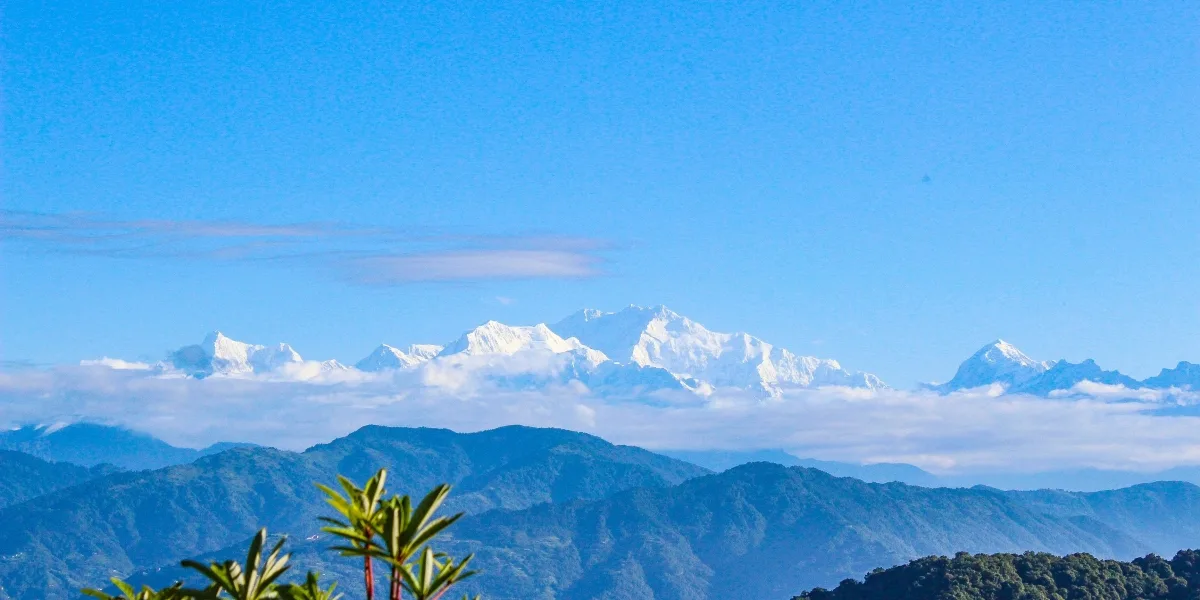
Snow-covered peaks, quiet mountain villages, and wild forests make the Himalayas a dream place for trekkers. The Kanchenjunga Base Camp Trek offers all these things and much more. It takes trekkers into one of Nepal’s most remote mountain regions, where nature feels peaceful and untouched. But choosing the right season is important. Good weather can make the journey safer, more comfortable, and more enjoyable.
Spring and autumn are the best seasons for this adventure. Each season offers a different view of the mountains, forests, and local villages. Knowing what to expect can help trekkers choose the right time for their trip.
Spring: A Beautiful Time for Trekking
Spring lasts from March to May. It is one of the best times to explore the Kanchenjunga region. The weather is often mild, and the days are warmer. Snow begins to melt on many lower trails, making the journey more comfortable.
During this season, forests come alive with colorful flowers. Rhododendrons bloom across the hills, adding bright colors to the green landscape. On clear days, trekkers can enjoy beautiful views of Mount Kanchenjunga and nearby peaks.
Spring is also a good time for nature lovers. The region has rich forests and many kinds of birds and wildlife. However, higher areas can still be cold, and some trails may have snow. Warm clothes and good trekking gear are important.
Autumn: Clear Skies and Mountain Views
Autumn runs from September to November. It is another excellent season for the Kanchenjunga Base Camp Trek. The monsoon rain has usually cleared the dust from the air, leaving fresh landscapes and clear mountain views.
The weather is often stable, with pleasant daytime temperatures in the lower areas. The skies are usually clear, especially in October and November. This makes autumn a great choice for taking photos and enjoying views of the high peaks.
Many trekkers choose this season because the trails are often in good condition after the rainy months. The local villages also offer a chance to experience mountain life and culture. Since autumn is a popular trekking season in Nepal, it is wise to plan the trip early.
Monsoon: A Season to Avoid
The monsoon season usually lasts from June to August. Heavy rain can make the trails muddy, slippery, and difficult to walk on. Landslides and floods may also affect roads and trekking routes.
Clouds often cover the mountain views, so trekkers may not get the clear scenery they hope to see. Leeches can also be common in wet forest areas.
The Kanchenjunga region is remote, so travel delays can cause extra problems. For these reasons, the monsoon season is usually not the best choice for this trek.
Winter: Cold and Challenging Conditions
Winter lasts from December to February. During this time, temperatures drop, especially at higher elevations. Snow can cover mountain trails and make some sections hard to cross.
The cold can be severe near the base camps and high mountain passes. Some teahouses may close, and services can be limited in remote villages.
Winter may suit experienced trekkers who have the right gear and are ready for harsh weather. However, most trekkers should choose spring or autumn for a safer and more comfortable journey.
Trek Length, Distance, and Maximum Elevation
The Kanchenjunga Base Camp Trek usually takes around 20 to 26 days, depending on the route, walking pace, and rest days. The total trekking distance is roughly 200 to 220 kilometers for a full circuit-style journey, though the distance can change with the chosen route. The highest point on the North Base Camp route is Pangpema at about 5,143 meters (16,873 feet). The South Base Camp route reaches viewpoints near Oktang at around 4,730 meters. These high areas are cold, so proper acclimatization is important.
How to Choose the Best Season
Both spring and autumn offer great conditions for trekking. Choose spring if colorful flowers, fresh forests, and warmer days sound exciting. Pick autumn if clear skies, stable weather, and sharp mountain views are your main goals.
October and April are often good months to consider. Still, mountain weather can change quickly. Checking the forecast and local trail conditions before departure is always a smart step.
Trek with Nepal Social Treks and Expedition
Good planning can make a remote mountain journey easier. Nepal Social Treks and Expedition helps trekkers prepare for the Kanchenjunga adventure with experienced guides, porters, permits, transport, and accommodation arrangements.
The team also helps with route planning, customized itineraries, packing advice, and altitude awareness. Experienced guides can support trekkers along the trail and help them understand local culture and mountain conditions. Proper planning also allows time for rest and acclimatization.
Enjoy Kanchenjunga in the Right Season
The Kanchenjunga Base Camp Trek is a special journey for people who love nature, quiet trails, and high mountain views. Spring and autumn are usually the best seasons to enjoy it. Choose the season that suits your plans, prepare well, and respect the mountain conditions. With the right timing and support, this remote Himalayan adventure can become a memory that lasts a lifetime.


