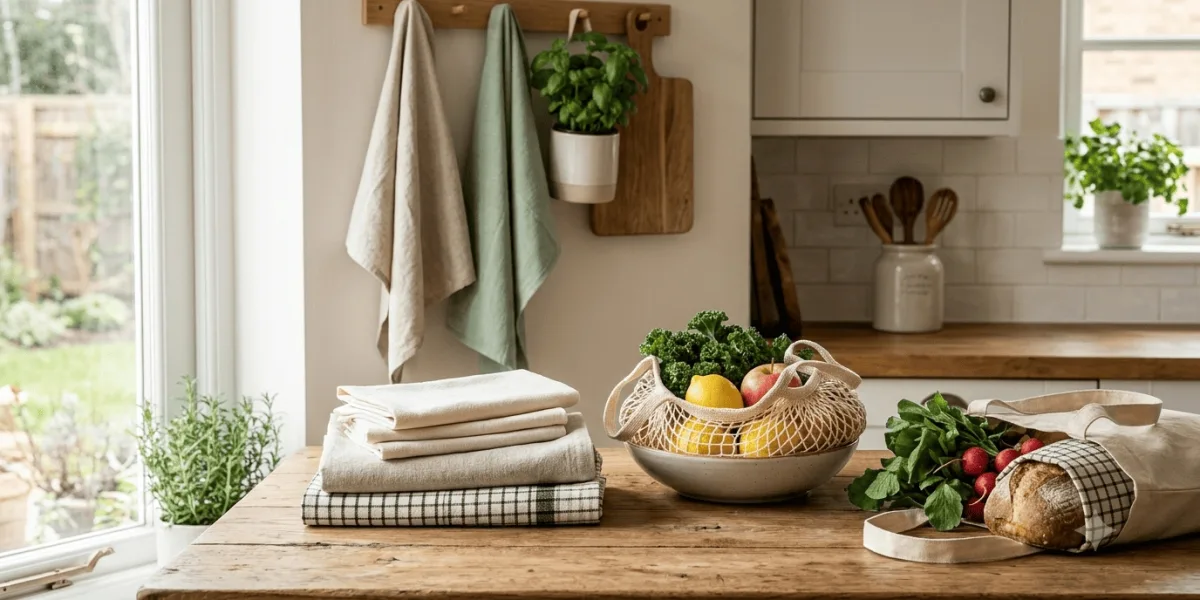
A well-organized home is built around thoughtful choices, practical products, and everyday habits that make life easier. The kitchen, in particular, benefits from accessories that combine functionality, durability, and attractive design. From drying dishes and cleaning countertops to organizing groceries and storing household essentials, the right textile products can make daily routines more convenient.
As more American households embrace sustainable living, reusable home products are becoming an important part of modern lifestyles. Instead of relying entirely on disposable alternatives, homeowners are exploring washable fabrics, reusable shopping bags, and durable kitchen accessories that offer long-term value.
Natural materials such as cotton and linen are especially popular because of their versatility, comfortable textures, and timeless appearance. When thoughtfully selected, these products can complement different interior styles while supporting a more organized and practical household.
1. Why Kitchen Textiles Are Essential for Modern Homes
Kitchen textiles play an important role in maintaining a clean, comfortable, and functional cooking environment. Although they may seem like small household accessories, their everyday usefulness makes them valuable additions to any kitchen.
Tea Towels are among the most versatile kitchen essentials. They can be used for drying dishes, wiping clean surfaces, handling everyday kitchen tasks, and covering baked goods after preparation. Their lightweight construction makes them easy to handle, wash, and store.
Choosing quality kitchen textiles involves considering several important characteristics:
-
Absorbency: A good kitchen fabric should absorb moisture effectively during everyday use.
-
Durability: Strong stitching and reliable fabric construction help products withstand repeated washing.
-
Comfort: Soft materials make handling and cleaning more convenient.
-
Versatility: Multi-purpose products reduce the need for several specialized accessories.
-
Easy maintenance: Machine-washable fabrics simplify household cleaning routines.
Keeping a small collection of practical kitchen textiles within easy reach can make cooking and cleaning more efficient.
2. Natural Fabrics That Combine Comfort and Durability
The material used in household textiles influences their performance, appearance, and lifespan. Cotton and linen are two popular natural fabric choices that offer different advantages for everyday household applications.
Understanding Cotton Fabric
Cotton is widely used in kitchen accessories because of its softness, breathability, and moisture absorption. It is available in different weaves and thicknesses, allowing homeowners to select products according to their needs.
Lightweight cotton fabrics are useful for drying glassware and wiping surfaces, while thicker options can provide additional absorbency for general kitchen activities.
Cotton products are also relatively easy to maintain. With suitable washing and drying practices, quality cotton textiles can remain useful through repeated household use.
The Appeal of Linen
Linen is valued for its natural texture, breathable structure, and distinctive appearance. Produced from flax fibers, it offers a timeless aesthetic that works well in contemporary, rustic, and farmhouse-inspired interiors.
Linen Tea Towels are a practical option for homeowners who appreciate simple designs and natural materials. Their understated appearance makes them suitable for both everyday kitchen use and decorative styling.
Linen can become softer with regular use and proper care. Its natural texture also adds character to kitchen spaces without requiring elaborate decorations.
Selecting the Right Material
Before purchasing household textiles, consider how frequently they will be used and what tasks they need to perform. Fabric thickness, weave, absorbency, and care instructions can all influence the overall experience.
Selecting products based on their intended purpose helps households make more informed decisions and avoid unnecessary purchases.
3. Bringing Traditional Patterns Into Contemporary Kitchens
Kitchen accessories can influence the appearance of an interior just as much as furniture and decorative elements. Choosing attractive textile patterns is an easy way to introduce personality into a kitchen without making expensive changes.
Traditional patterns remain popular because they work across different decorating styles. Simple geometric designs, neutral colors, and classic combinations can create an inviting atmosphere.
Checkered Towels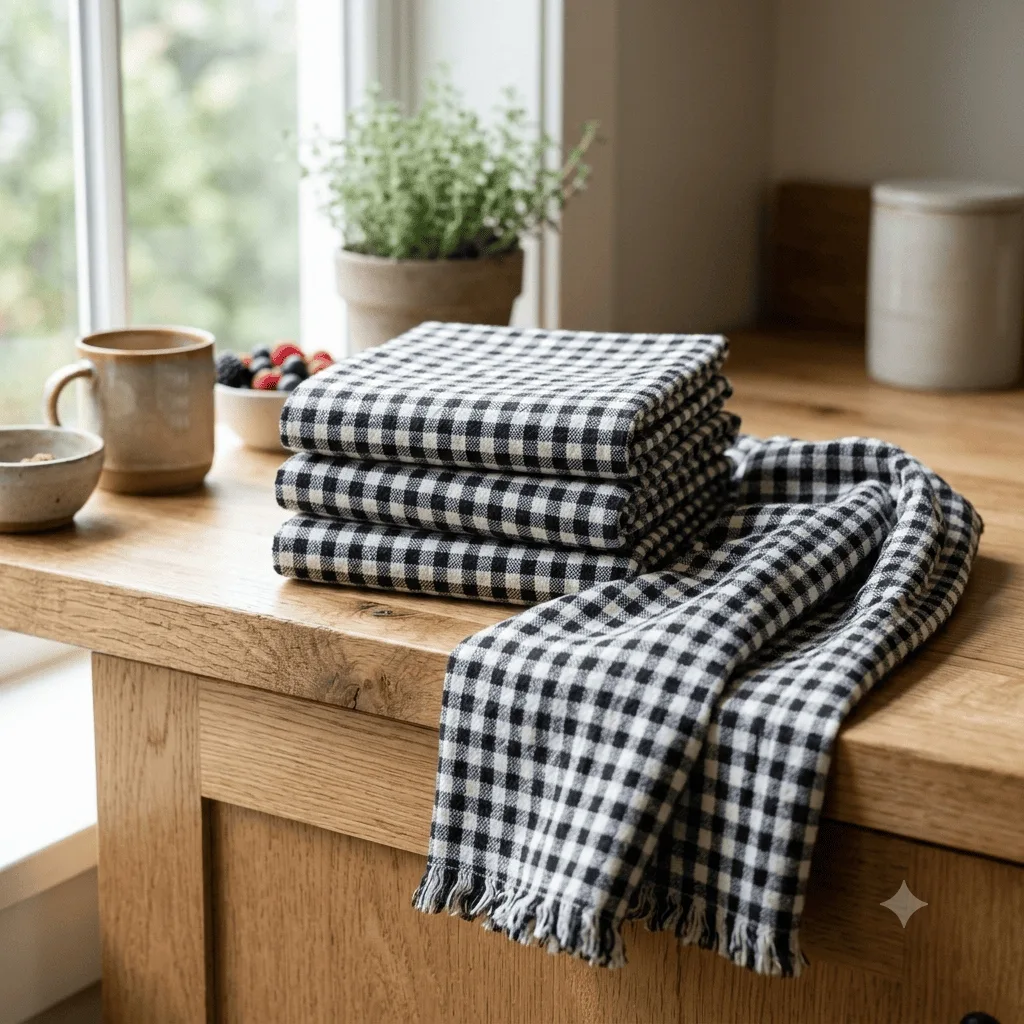 are a timeless example of kitchen accessories that combine decorative appeal with everyday usefulness. Their recognizable patterns complement farmhouse kitchens, country-inspired interiors, and modern spaces that feature natural materials.
Simple Kitchen Styling Ideas
A coordinated kitchen does not need to look overly designed. Small details can create a balanced and welcoming environment.
Consider these ideas:
-
Combine neutral-colored towels with wooden countertops and cabinets.
-
Introduce patterned fabrics to add contrast to plain kitchen interiors.
-
Match selected textile colors with curtains or table linens.
-
Display neatly folded towels on open shelves.
-
Use simple ceramic containers and natural greenery to complement textile patterns.
Rotating different colors and patterns throughout the year can also refresh the appearance of a kitchen without purchasing new furniture or accessories.
4. Reusable Shopping Accessories for Everyday Convenience
Sustainable household habits extend beyond cooking and cleaning. Grocery shopping, farmers market visits, and household storage also provide opportunities to reduce disposable packaging.
Reusable fabric bags are practical alternatives for carrying and organizing everyday items. They are lightweight, convenient, and suitable for a variety of household applications.
Mesh String Bags are particularly useful for shopping and carrying selected groceries. Their breathable construction allows air to circulate, making them suitable for certain fruits and vegetables.
Practical Uses Around the Home
Reusable bags can serve several purposes beyond grocery shopping:
-
Farmers market shopping: Carry fresh produce and everyday market purchases.
-
Kitchen organization: Keep selected household accessories together.
-
Travel storage: Organize lightweight belongings inside suitcases.
-
Everyday errands: Keep a reusable bag available for unexpected shopping trips.
-
Household storage: Store suitable lightweight items in closets or utility spaces.
What Makes a Good Reusable Bag?
When choosing reusable fabric bags, consider material quality, stitching, handle construction, and carrying capacity. A well-constructed bag should be appropriate for the intended items and comfortable to carry.
Proper cleaning and storage are equally important. Washing reusable bags according to their care instructions helps maintain cleanliness and makes them suitable for continued use.
5. Maintaining Kitchen Fabrics for Better Longevity
Purchasing quality textiles is only part of maintaining a functional household. Regular care helps preserve fabric quality, maintain cleanliness, and reduce unnecessary replacements.
Kitchen fabrics regularly come into contact with water, food particles, oils, and cleaning products. Developing a consistent washing routine is therefore important.
Easy Fabric Care Practices
Wash Frequently: Clean kitchen textiles regularly, particularly after handling food spills or heavily soiled surfaces.
Separate Different Loads: Keep heavily stained cleaning fabrics separate from lightly used household towels.
Follow Washing Instructions: Check product labels for suitable water temperatures and washing recommendations.
Choose Appropriate Detergents: Use suitable laundry products to maintain fabric quality and cleanliness.
Dry Thoroughly: Make sure textiles are completely dry before folding and storing them.
Store in Clean Spaces: Keep washed products in dry, ventilated cupboards or shelves.
Avoiding unnecessary exposure to excessive heat and harsh cleaning products can also help protect certain fabric types.
A simple maintenance routine makes it easier to keep household textiles ready for everyday use.
6. Small Lifestyle Changes That Support Sustainability
Sustainable living is not necessarily about making dramatic changes. Often, it begins with simple decisions that become part of everyday routines.
Replacing frequently discarded household products with reusable alternatives is one practical way to reduce unnecessary waste.
For example, washable kitchen fabrics can reduce reliance on disposable paper products for suitable household tasks. Reusable shopping bags can help limit single-use grocery packaging, while durable textiles can reduce the frequency of replacements.
Creating More Responsible Household Habits
Homeowners can introduce several practical habits:
-
Keep reusable shopping bags near the front door or inside the car.
-
Use washable cleaning textiles whenever appropriate.
-
Choose durable products instead of frequently replacing inexpensive alternatives.
-
Repair small fabric tears when possible.
-
Organize kitchen accessories to prevent unnecessary purchases.
-
Follow recommended care instructions to extend product life.
It is also helpful to consider product versatility before purchasing. Accessories that serve multiple purposes can reduce household clutter and make storage easier.
A sustainable home is not created through one purchase. It develops through consistent choices that prioritize quality, responsible consumption, and practical everyday solutions.
7. Creating a Functional and Welcoming Kitchen Environment
A comfortable kitchen should support daily activities while reflecting the household's personal style. Practical organization, suitable materials, and thoughtfully selected accessories all contribute to a better cooking environment.
Start by identifying the products used most frequently. Keep essential cleaning fabrics accessible, organize shopping bags in one convenient location, and store clean textiles separately from heavily used items.
Consider combining natural materials with simple decorative elements. Wooden accessories, ceramic containers, woven storage baskets, and neutral-colored fabrics can create a balanced appearance.
It is equally important to avoid overcrowding countertops with unnecessary accessories. Keeping frequently used products organized makes the kitchen easier to maintain and more enjoyable to use.
By selecting versatile textiles and reusable household products, homeowners can create spaces that balance convenience, visual appeal, and sustainability.
Conclusion
Creating a functional and sustainable home begins with making thoughtful decisions about everyday essentials. Quality kitchen fabrics, natural materials, attractive patterns, and reusable shopping accessories can make household routines more convenient while encouraging responsible consumption.
Cotton and linen textiles offer practical solutions for different kitchen activities, while reusable fabric bags provide convenient alternatives for shopping and storage. With proper care and thoughtful selection, these everyday products can become valuable parts of an organized household.
For homeowners looking to explore practical kitchen textiles, reusable fabric products, and thoughtfully designed home essentials, All Cotton and Linen offers a range of products worth discovering. Visit to explore home textile collections that bring together everyday functionality, timeless designs, and practical solutions for modern living.