
Hair thinning can happen gradually, making it difficult to notice until your ponytail feels smaller, your part looks wider, or more hair starts collecting in your brush. While some shedding is normal, persistent hair loss can affect your confidence and leave you searching for a reliable solution.
For people exploring PRP hair Toronto, platelet-rich plasma therapy offers a non-surgical approach that uses components of your own blood to support hair follicle activity. At Beauty Aesthetics, understanding the treatment process, realistic expectations, and individual hair concerns is an important part of making an informed decision.
Understanding PRP Hair Treatment and How It Works
Platelet-rich plasma (PRP) therapy is a treatment that uses a concentrated portion of your blood containing platelets. These platelets release growth factors involved in the body's natural tissue repair and healing processes.
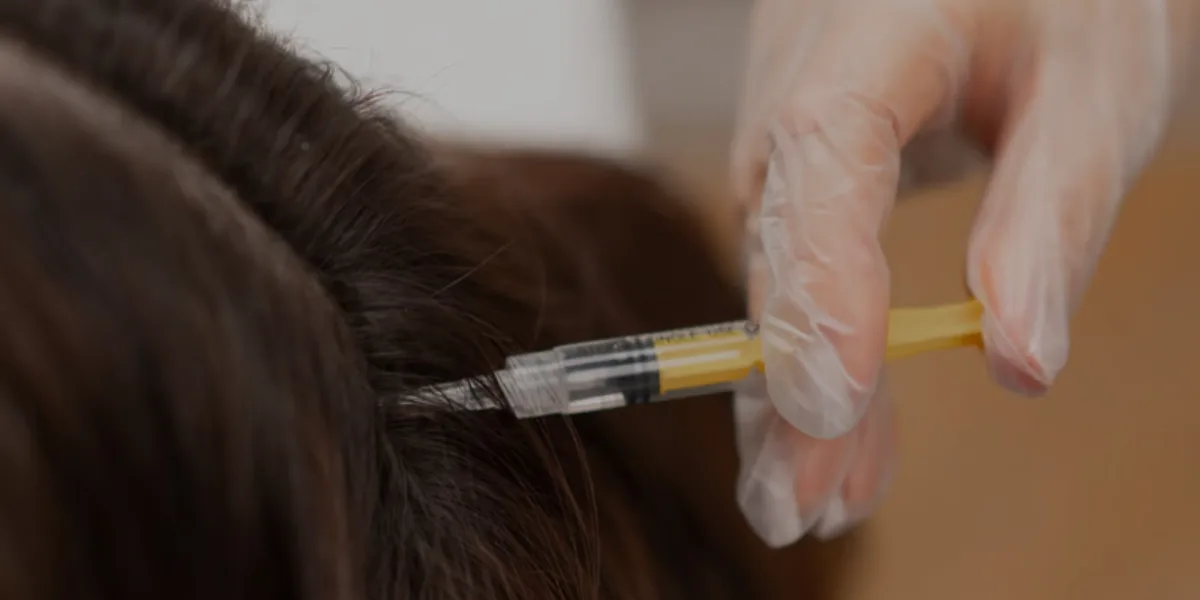
During a PRP hair treatment, a small blood sample is collected and placed in a centrifuge. This machine separates the blood into different components, allowing the platelet-rich portion to be prepared for injection into targeted areas of the scalp.
The aim is to support existing hair follicles and potentially encourage healthier hair growth.
PRP is commonly considered for people experiencing early-stage thinning or certain forms of pattern hair loss. However, it does not create new follicles or guarantee that hair will regrow in completely bald areas.
Research suggests that PRP may improve hair density in some individuals with androgenetic alopecia, although treatment methods and results vary. The quality of evidence is still developing, making professional assessment especially important.
Why People Consider PRP for Hair Loss in Toronto
Hair loss has several possible causes, including genetics, hormonal changes, nutritional deficiencies, stress, medications, and certain medical conditions.
Because these factors affect hair differently, choosing a treatment without understanding the underlying cause may lead to disappointing results.
People considering PRP hair loss treatment Toronto often want an option that does not involve surgery or extensive recovery.
Potential Benefits of PRP Hair Therapy
-
Non-surgical approach: Treatment involves targeted injections rather than surgical hair transplantation.
-
Uses your own blood: PRP is prepared from a sample collected from your body.
-
Minimal downtime: Many people can return to ordinary activities relatively quickly.
-
Supports existing follicles: PRP may improve hair density and thickness in suitable candidates.
-
Personalized treatment: Injection areas and treatment schedules can be adjusted according to individual needs.
-
May complement other treatments: A qualified clinician may recommend PRP alongside established hair loss therapies when appropriate.
These advantages make PRP worth discussing, particularly for people noticing gradual thinning rather than extensive hair loss.
However, results are not immediate, and the treatment is not effective for every type of hair loss.
Who May Be a Suitable Candidate for PRP Hair Treatment?
PRP may be considered for adults experiencing early or moderate pattern hair loss, particularly when hair follicles remain active.
For example, someone noticing gradual thinning around the crown may respond differently from someone experiencing sudden shedding across the entire scalp.
A proper consultation helps distinguish between these situations.
People with androgenetic alopecia, commonly called male or female pattern hair loss, are among the groups most frequently studied in PRP research.
However, sudden or patchy hair loss, scalp inflammation, or shedding after illness may require different investigations and treatments.
PRP may also be unsuitable for individuals with certain blood disorders, platelet abnormalities, active infections, or other medical concerns.
A qualified healthcare professional should review your medical history, medications, and scalp condition before recommending treatment.
What Happens During a PRP Hair Treatment Session?
Knowing what to expect can make your first appointment feel more comfortable.
Although the exact procedure varies, most sessions follow a similar process.
1. Hair and Scalp Assessment
The appointment begins with an evaluation of your hair thinning pattern, scalp health, and medical history.
Your clinician may discuss when the shedding started, whether hair loss runs in your family, and whether recent lifestyle or health changes could be contributing.
2. Blood Collection
A small amount of blood is drawn, usually from your arm, using a sterile collection technique.
3. PRP Preparation
The blood sample is processed in a centrifuge to separate its components and prepare the platelet-rich plasma.
4. Scalp Injections
The prepared PRP is injected into selected areas of the scalp using fine needles.
Some people experience temporary discomfort, tenderness, or pressure during the procedure. Pain-management options may be discussed beforehand.
5. Aftercare Instructions
Your clinician will explain how to care for your scalp after treatment.
Temporary redness, tenderness, swelling, or small bruises can occur. Serious complications are uncommon but possible, including infection or injury from injections.
Following individualized aftercare guidance helps reduce avoidable irritation.
How Long Does PRP Take to Show Hair Growth Results?
One of the most important things to understand about PRP is that hair growth happens gradually.
Hair follicles move through natural growth, transition, and resting phases. Even when treatment is effective, visible changes take time.
Some people begin noticing improvements in shedding or hair appearance after several months. Changes in density may take longer to assess.
A clinician may recommend a series of initial sessions followed by maintenance treatments, depending on the person's response and clinical needs.
However, there is no universally accepted PRP treatment schedule for hair loss.
Results depend on factors such as the underlying diagnosis, severity of thinning, treatment preparation, and individual biological response.
PRP cannot promise permanent regrowth or replace treatments needed for an underlying medical condition.
Practical Tips Before and After PRP Hair Therapy
Preparing properly can make the treatment experience smoother and support healthy scalp care.
Before your appointment:
-
Discuss medications, supplements, medical conditions, and previous hair treatments with your clinician.
-
Avoid stopping prescribed medications unless instructed by the prescribing healthcare professional.
-
Inform your provider about scalp irritation, infections, or unexplained shedding.
-
Ask about expected results, potential risks, and the recommended treatment schedule.
After treatment, follow your clinician's instructions regarding hair washing, styling products, exercise, and scalp treatments.
Avoid aggressive scratching or massaging of tender injection areas.
Maintaining adequate nutrition, addressing diagnosed deficiencies, and following an appropriate hair care routine may also support overall hair health.
Taking consistent photographs under similar lighting can help you and your clinician assess changes more objectively.
Why Choosing the Right PRP Treatment Approach Matters
Not every PRP procedure is prepared or administered in exactly the same way.
Differences in platelet concentration, preparation methods, injection techniques, and treatment frequency may influence outcomes.
For this reason, choosing treatment based only on convenience or advertised results is not ideal.
A responsible provider should explain the available evidence, assess whether PRP is appropriate, and discuss alternative options when needed.
It is equally important to understand that PRP is not a guaranteed solution for hair loss. Established treatments, including certain topical or prescription medications, may be more appropriate for some individuals.
The best treatment plan begins with identifying the cause of thinning rather than assuming every hair concern requires the same procedure.
Conclusion
Exploring PRP hair Toronto can be a useful first step for people interested in a non-surgical option for thinning hair. PRP may help improve hair density in suitable candidates, particularly those experiencing pattern hair loss, but outcomes differ and require patience.
Understanding your hair loss pattern, reviewing potential risks, and setting realistic expectations are essential before beginning treatment.
At Beauty Aesthetics, an individualized consultation can help you explore whether PRP hair therapy aligns with your scalp condition, hair goals, and overall treatment needs.


