The performance of an industrial valve is shaped long before the finished product reaches a pipeline. Material sourcing, manufacturing discipline, component compatibility, and quality inspection all influence how reliably a valve performs in its working environment. When evaluating a Trunnion Ball Valves Manufacturer, buyers should look beyond product availability and consider how the factory manages the complete production process. A manufacturer's technical understanding, production consistency, and ability to respond to different application requirements can be just as important as the valve's basic operating design.
Material selection provides the foundation for dependable valve construction. The body must offer suitable structural strength, while the ball, stem, seats, and supporting components need to work together under the conditions expected in service. Cast steel is often considered for industrial applications that require a robust body. Stainless steel and corrosion-resistant alloys may be more suitable for environments where chemical exposure or moisture could affect component integrity. The correct choice depends on the transported medium, surrounding conditions, and maintenance expectations. A responsible manufacturer should help buyers understand these material differences rather than recommend a single material for every application.
The internal components deserve equal attention. The ball needs a carefully finished surface to interact properly with the seating arrangement, while the stem must transfer movement from the operating mechanism without compromising the assembly. Bearings and trunnion supports help maintain the ball's position during operation. Seat materials should be selected according to the fluid and the demands of the process. Differences in material compatibility, surface treatment, and machining quality can influence sealing behavior and component wear. This is why material selection should be considered as part of an integrated manufacturing process.
For purchasers, choosing a factory begins with defining the actual project requirements. The first step is to understand the pipeline medium and the purpose of the valve. A system transporting oil or gas may have different requirements from a water treatment installation or a chemical processing line. Buyers should also consider the installation environment, connection arrangement, operating method, and available maintenance space. These details help determine whether a particular valve construction is appropriate. Providing clear application information allows the manufacturer to offer a more relevant recommendation and reduces the possibility of selecting a product that does not fit the system.
Factory evaluation should include more than reviewing a catalogue. Buyers can ask about raw material sourcing, machining procedures, production monitoring, assembly practices, and final inspection. A well-organized manufacturing process helps maintain consistency between components and finished products. Documentation is also important, particularly for projects involving engineering contractors, distributors, or international procurement teams. Clear product information makes it easier to review material suitability, installation requirements, and compliance expectations before an order is confirmed.
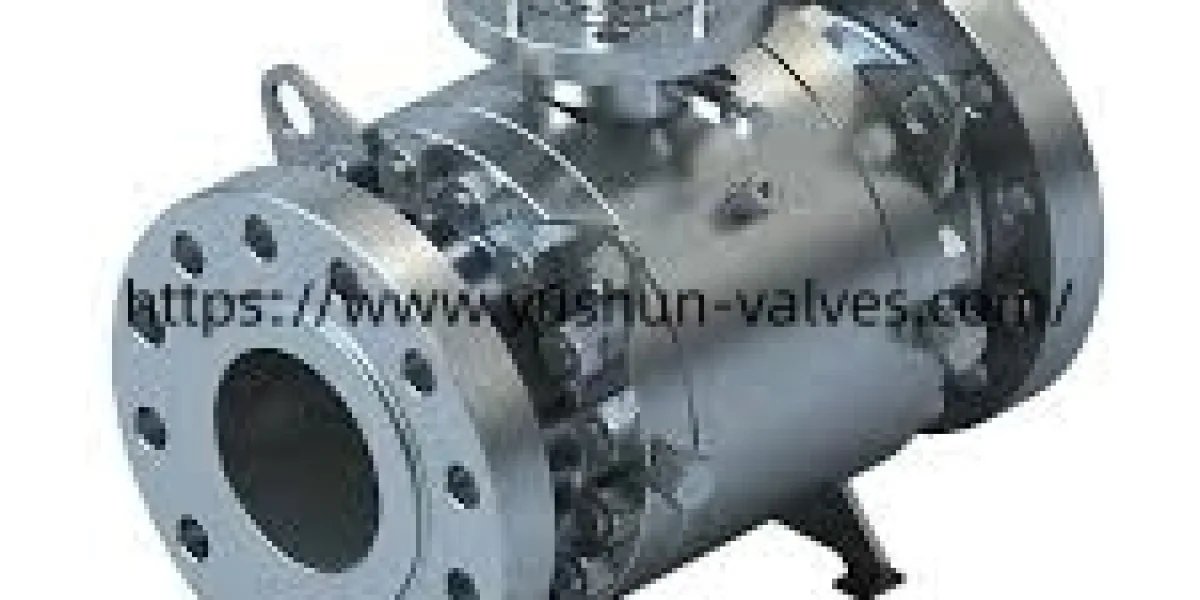
The trunnion-mounted structure is a central feature of this valve design. Its ball is supported by trunnions rather than moving freely within the body. This arrangement helps keep the ball stable and distributes operating forces through the supporting structure. The seats form the sealing interface around the ball, while the stem connects the ball to the operating device. When the valve is opened or closed, the coordinated movement of these components controls the passage of fluid. This construction is often considered for pipeline duties where stable shut-off and controlled operation are important.
Sealing design is another area where manufacturing experience matters. The interaction between the ball and seats must be considered alongside the nature of the medium and the conditions in which the valve will operate. Soft-seated designs may be suitable for applications that prioritize particular sealing characteristics, while metal-seated arrangements can be considered for more demanding service environments. Other design features, such as double block and bleed functionality or fire-safe construction, may be relevant to specific projects. These features should be selected according to actual process and safety requirements rather than treated as automatic necessities.
The user's experience with a valve is closely connected to how easily it can be operated, inspected, and maintained. Handwheel operation may be appropriate for accessible locations, while electric or pneumatic actuators can support remote operation and automated systems. Maintenance teams also need practical access to external components and clear guidance on inspection procedures. Information about replacement parts, sealing arrangements, and service support can make future maintenance planning more manageable. A manufacturer that provides technical communication throughout selection and after-sales service can help reduce uncertainty for equipment users.
Physical design influences installation just as much as internal engineering. Body construction, bonnet arrangement, end connections, stem position, and actuator placement determine how the valve fits into the surrounding pipework. In crowded industrial facilities, accessibility should be considered before the equipment is ordered. External coatings and surface finishes also have a practical role because they help protect the valve during storage, transportation, and exposure to the installation environment. A carefully designed product should be considered not only in terms of appearance but also in terms of handling, installation, and long-term service access.
Zhejiang Yushun Valve Co., Ltd. focuses on industrial fluid control and develops ball valve products for applications across petrochemical processing, energy, environmental engineering, and water treatment. Its manufacturing approach includes screened raw materials, production process monitoring, and product testing. The company also provides technical consultation and customized product support to help customers consider different operating conditions. Buyers interested in evaluating its trunnion-mounted ball valve options can review the product range and contact the company through https://www.yushun-valves.com/product.