Missing teeth can affect more than your appearance. They may make chewing difficult, change the way you speak, and affect your confidence when smiling. If you have lost one or more teeth due to decay, injury, or other dental problems, dental implants may be an option worth discussing with a qualified dentist. Understanding the treatment process, benefits, recovery, and cost can help you make an informed decision about your oral health.
Choosing Dental Implants in Pune can be a step towards restoring your ability to chew comfortably and improving the appearance of your smile. Dental implants are designed to replace missing tooth roots and support artificial teeth. However, their suitability depends on factors such as your gum health, jawbone condition, medical history, and overall oral hygiene. A dental consultation is important to understand whether this treatment is appropriate for you.
What Are Dental Implants?
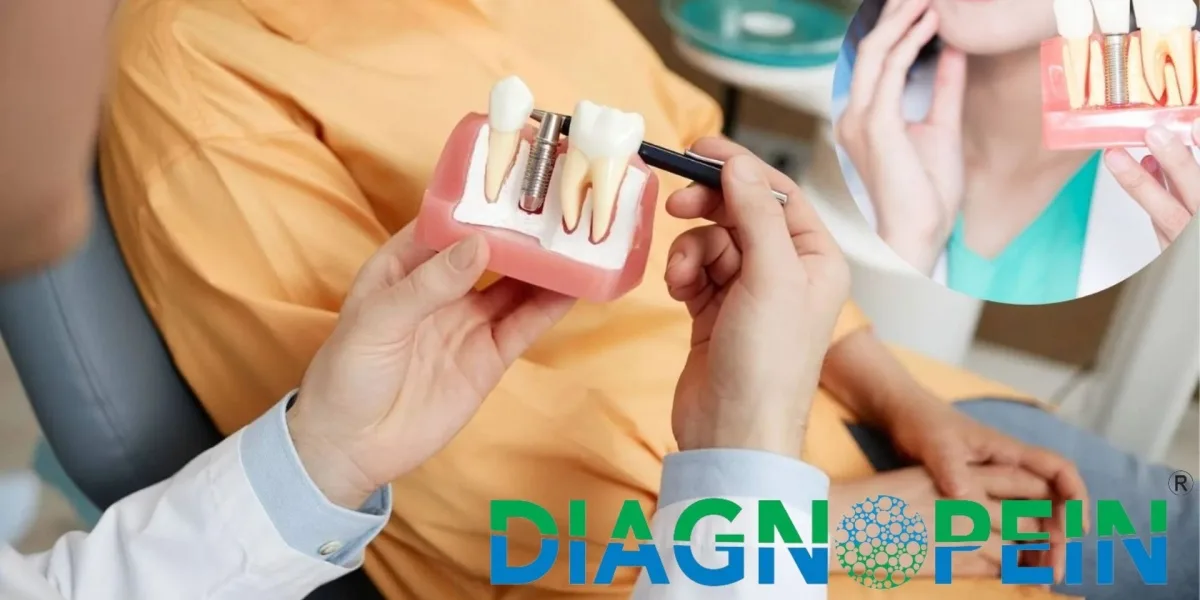
A dental implant is a small post, usually made of titanium or another suitable material, that is placed in the jawbone to act as an artificial tooth root. After the implant heals and connects with the bone, a replacement tooth can be attached to it.
A dental implant treatment generally involves three main components:
-
Implant: The artificial tooth root placed in the jawbone.
-
Abutment: The connector that supports the replacement tooth.
-
Dental crown: The visible part designed to resemble a natural tooth.
Depending on the patient's needs, dental implants can replace a single missing tooth, several teeth, or support a full-arch replacement.
Why Are Dental Implants Recommended?
Missing teeth can affect everyday activities and oral health. Depending on the situation, a dentist may recommend dental implants as one of several tooth replacement options.
1. Support Everyday Chewing
A properly restored implant can help improve chewing function, making it easier to eat a variety of foods. The final outcome depends on the treatment plan, healing, and the condition of the surrounding teeth and gums.
2. Improve the Appearance of Your Smile
Replacement teeth are designed to fit the patient's mouth and complement the surrounding teeth. This can help restore the appearance of a complete smile.
3. Help Maintain Jawbone Health
When a tooth is lost, the jawbone in that area may gradually shrink because it no longer receives the same stimulation from chewing. Dental implants can help provide stimulation to the surrounding bone, although the outcome varies between individuals.
4. Provide a Fixed Tooth Replacement Option
Unlike removable dentures, an implant-supported tooth is fixed in place. With appropriate care, it can provide stable support for everyday activities.
5. Support Clear Speech
Missing teeth or poorly fitting dentures may affect pronunciation. Replacing missing teeth may help improve speech in some cases.
Who May Be Suitable for Dental Implants?
Dental implants may be considered for adults who have lost one or more teeth and want a fixed replacement option.
Suitability depends on several factors, including:
-
Adequate jawbone to support the implant.
-
Healthy gums or gum disease that has been appropriately treated.
-
Good oral hygiene habits.
-
Medical conditions and medications that may affect healing.
-
Smoking or tobacco use, which can increase the risk of complications.
-
The ability to attend follow-up appointments.
People with insufficient jawbone may need additional treatment, such as bone grafting, before implant placement. A dentist must assess each patient individually before recommending the procedure.
How Does the Dental Implant Procedure Work?
The dental implant process usually takes place over several stages. The exact treatment plan depends on the number of missing teeth and the patient's oral health.
Step 1: Dental Examination and Treatment Planning
The dentist examines your teeth and gums, reviews your medical history, and may recommend dental X-rays or other imaging to assess the jawbone and nearby structures.
This assessment helps determine the implant position and whether additional treatment is needed.
Step 2: Implant Placement
The implant is placed into the jawbone through a planned dental procedure. Local anaesthesia is commonly used to help manage discomfort during the procedure.
After placement, the area needs time to heal.
Step 3: Healing and Bone Integration
Over the following months, the implant gradually connects with the surrounding bone. This process is called osseointegration. Its duration varies depending on the patient's healing, bone condition, and treatment requirements.
Step 4: Placement of the Replacement Tooth
Once the implant is sufficiently stable, the dentist attaches the abutment and replacement crown, or another suitable restoration.
The dentist then checks the fit, bite, and comfort of the replacement tooth.
How long does the treatment take?
Implant placement may be completed in a single appointment, but the complete treatment often takes several months because healing is required before the final restoration can be fitted. Additional procedures or individual healing needs may extend the timeline.
How Should You Prepare for Dental Implant Treatment?
Good preparation can help support a smoother treatment and recovery process.
Before your appointment:
-
Share your medical history and current medications with the dentist.
-
Inform the dentist if you smoke or use tobacco.
-
Follow instructions about eating, medication, and oral hygiene.
-
Ask whether dental imaging or treatment for existing gum problems is needed.
-
Discuss the expected treatment stages, recovery period, and total cost.
-
Arrange transport or assistance if sedation or other arrangements make it necessary.
Do not stop prescribed medication unless your treating healthcare professional advises you to do so.
Dental Implant Aftercare and Recovery
Some swelling, tenderness, or mild bleeding may occur after implant placement. The dentist will explain what is expected during recovery and how to care for the treated area.
For better recovery and long-term oral health:
-
Follow the dentist's instructions carefully.
-
Keep your mouth clean using the recommended brushing and cleaning methods.
-
Eat soft foods for the period advised by your dentist.
-
Avoid smoking and tobacco use.
-
Attend follow-up appointments.
-
Schedule regular dental check-ups and professional cleaning when recommended.
Contact your dentist if you experience worsening pain, increasing swelling, persistent bleeding, fever, or other concerning symptoms. Seek urgent care for severe symptoms or difficulty breathing or swallowing.
Dental implants also require ongoing maintenance. The implant itself cannot develop tooth decay, but the surrounding gums and bone can still develop problems if oral hygiene is inadequate.