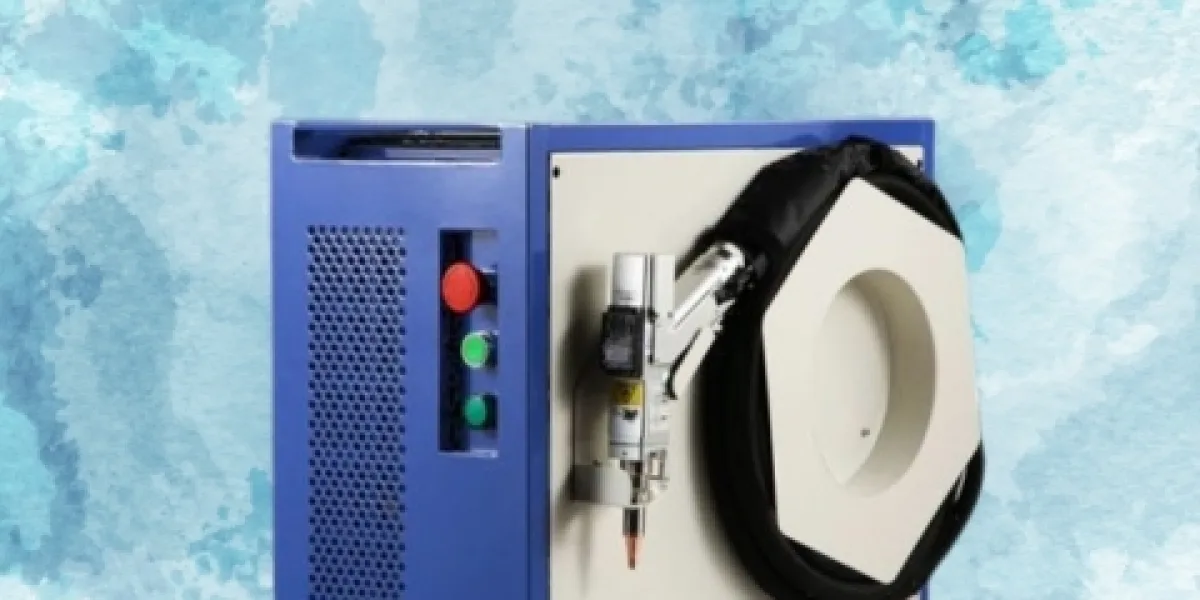
Metal fabrication continues to evolve as manufacturers seek faster, more precise, and reliable joining methods. Handheld metal laser welding is becoming an important solution for workshops, manufacturing facilities, automotive businesses, and industrial production lines. This technology uses a concentrated laser beam to join metal components with controlled heat and precision, making it suitable for a wide range of fabrication applications.
With its portable design and convenient operation, handheld laser welding equipment offers manufacturers a modern approach to metal joining while supporting consistent production quality.
How Handheld Metal Laser Welding Works
The process uses a high-energy laser beam focused on the joint between two metal pieces. The concentrated energy heats and melts the material, creating a weld as the molten metal cools and solidifies. Depending on the equipment configuration, operators can adjust parameters such as laser power, welding speed, and beam characteristics to suit different materials and thicknesses.
A handheld welding gun allows the operator to guide the laser along the joint manually. This flexibility makes the equipment useful for components with different shapes, angles, and joint configurations.
Proper preparation, accurate parameter selection, and suitable operator training are essential for achieving reliable results.
Metals Suitable for Laser Welding
Different metals can be processed using laser welding technology, although the appropriate settings depend on the material grade, thickness, and joint design.
Common applications include:
-
Stainless steel: Used in kitchen equipment, industrial enclosures, medical equipment housings, and decorative products.
-
Carbon steel: Suitable for structural components, machinery parts, metal frames, and fabrication projects.
-
Aluminum: Used in automotive components, lightweight structures, and selected industrial products.
-
Galvanized steel: Can be welded with appropriate process controls and ventilation to manage zinc-related fumes.
-
Other metal alloys: Certain alloys can also be processed when the equipment and welding parameters are suitable.
Material compatibility should always be confirmed before production, especially when working with reflective metals or dissimilar materials.
Applications Across Different Industries
Handheld laser welding equipment serves a variety of industrial and commercial sectors. In automotive manufacturing, it can join selected body components, brackets, and metal assemblies. Metal furniture producers use laser welding for frames, cabinets, and decorative structures.
In stainless steel fabrication, the technology is used for equipment housings, panels, containers, and custom-made products. Machinery manufacturers may also apply laser welding to compatible components that require controlled, accurate joints.
For small workshops, handheld metal laser welding can support custom fabrication jobs where operators need to work with different component shapes. Larger manufacturers can incorporate suitable systems into production workflows to improve process consistency and reduce unnecessary finishing work where conditions permit.
Choosing the Right Welding Equipment
Selecting the appropriate machine requires careful consideration of production requirements. Laser power should match the intended material thickness and welding application. Buyers should also evaluate the available welding modes, wire-feeding options, cooling system, control interface, and compatibility with their existing electrical supply.
The quality of the welding gun, service support, availability of replacement parts, and manufacturer experience are equally important considerations. Before purchasing, request sample welds using your actual materials and joint designs.
Businesses should also compare the complete ownership cost, including installation, operator training, maintenance, consumables, and safety equipment, rather than focusing exclusively on the initial purchase price.
Essential Safety Considerations
Laser welding requires strict safety procedures because direct or reflected laser radiation can cause serious eye and skin injuries. Appropriate laser-rated protective eyewear alone is not sufficient to make an uncontrolled work area safe.
Install suitable laser enclosures or engineered barriers, use appropriate interlocks and access controls, and follow the equipment manufacturer's safety instructions. Welding fumes must be controlled through suitable local exhaust ventilation, particularly when processing coated or galvanized metals.
Operators should receive training in laser safety, equipment operation, emergency procedures, and material handling. Compliance with applicable workplace safety requirements is essential for every installation.
Final Thoughts
Modern metal fabrication demands precision, efficiency, and dependable production methods. Handheld metal laser welding provides a flexible option for businesses working with compatible metals across a wide range of fabrication tasks. By selecting suitable equipment, establishing correct welding parameters, and implementing effective safety measures, manufacturers can integrate this technology into their operations with greater confidence.
Whether you operate a small fabrication workshop or manage an industrial production facility, evaluating your material requirements and long-term production goals will help you identify the right laser welding solution.