Modern supply chains involve multiple suppliers, manufacturers, distributors, and retailers. Tracking products across these stages can be challenging when businesses rely on disconnected systems or manual records. A reliable traceability solution helps organizations maintain better visibility into product movement, verify important information, and respond more efficiently to quality issues.
Choosing the right company for Traceability Software Development Services is an important step for businesses that want to improve transparency, data accuracy, and operational efficiency. The right technology partner can help develop a solution that fits business requirements, supports industry regulations, and adapts to changing supply chain needs.
What Are Traceability Software Development Services?
Traceability software enables businesses to record and track products, materials, components, and transactions throughout their lifecycle. Depending on the application, the system may capture information such as product origin, manufacturing details, batch numbers, transportation records, storage conditions, and delivery status.
Professional Traceability Software Development Services help organizations design and implement systems that collect, organize, and share relevant product data. These solutions can support food production, healthcare, pharmaceuticals, manufacturing, logistics, and other industries where reliable product information matters.
A well-designed platform can reduce manual data entry, improve record accessibility, and help teams identify where a product has been at different stages of its journey.
Why Choosing the Right Development Company Matters
Every business has different tracking requirements. A food manufacturer may need batch-level tracking, while a healthcare organization may require detailed records for medical products and equipment. Selecting a development company with a suitable technical approach helps ensure that the solution addresses these specific needs.
Before choosing a provider, consider the following factors:
Industry knowledge: The development team should understand your supply chain, product lifecycle, and relevant compliance requirements.
Technical expertise: Look for experience with databases, system integration, cloud platforms, APIs, and blockchain where appropriate.
Scalability: The software should support business growth, additional suppliers, increasing product volumes, and new tracking requirements.
Data security: Access controls, secure data exchange, and appropriate data protection measures are essential.
Integration capabilities: The solution should work with existing enterprise resource planning, inventory, warehouse, and logistics systems where required.
Ongoing support: Maintenance, updates, performance monitoring, and future improvements help keep the platform useful over time.
Evaluating these factors can help businesses choose a technology partner that understands both operational challenges and long-term objectives.
Visit Us: https://primafelicitas.com/blockchain/top-blockchain-development-companies-in-2026/
How Blockchain Traceability Software Development Improves Transparency
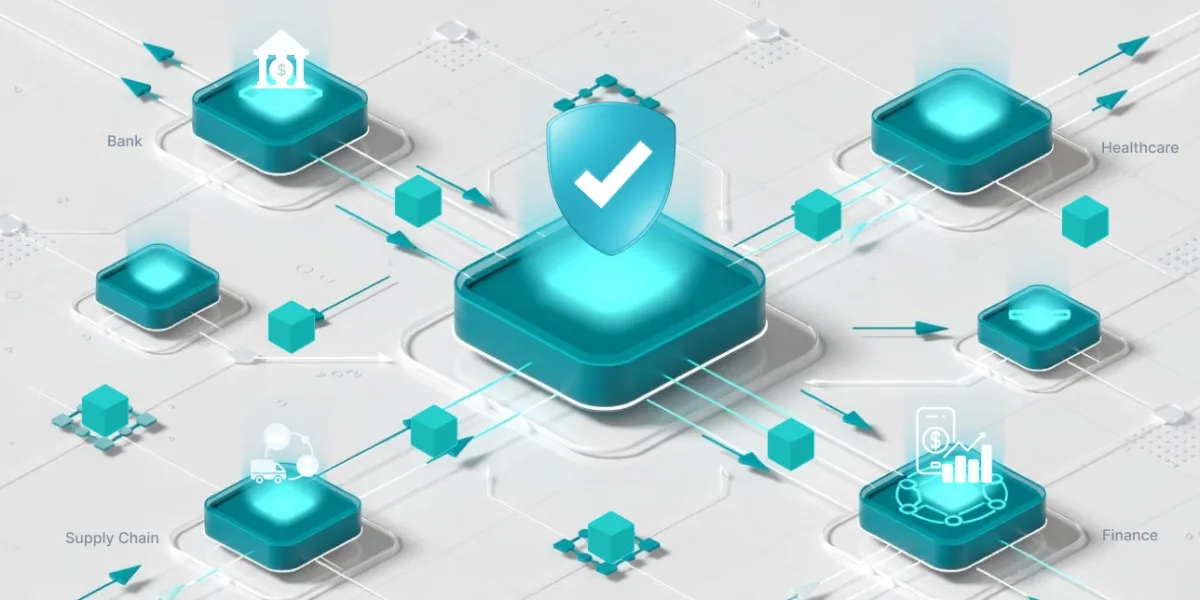
Traditional tracking systems can create information gaps when different organizations maintain separate records. Blockchain can help address some of these challenges by providing a shared ledger where authorized participants record and verify transactions.
Blockchain Traceability Software Development can support product tracking by connecting events across a supply chain. For example, a product record may include information about its origin, processing, shipment, and receipt. When properly designed, blockchain-based systems can make recorded information more difficult to alter without detection and improve the ability of authorized participants to review shared records.
Potential benefits include:
- Improved visibility into product movement.
- Better coordination between supply chain partners.
- More reliable records of product-related events.
- Easier investigation of certain quality or authenticity concerns.
- Greater transparency for businesses and authorized stakeholders.
However, blockchain is not necessary for every traceability project. Businesses should evaluate data-sharing needs, transaction volumes, privacy requirements, costs, and existing infrastructure before selecting the technology. Accurate data collection and reliable verification processes remain essential.
The Role of a Fish Traceability Services Provider
Seafood supply chains often involve fishing vessels, processors, cold-storage facilities, transportation companies, wholesalers, and retailers. Maintaining accurate records across these stages can help businesses improve product visibility and support responsible sourcing practices.
A Fish Traceability Services Provider can help develop systems that record relevant information, including catch details, processing activities, batch identification, storage conditions, and shipment records. Depending on the business requirements, tracking may use QR codes, digital identifiers, sensors, databases, or blockchain-based records.
These capabilities can help seafood businesses trace products back through the supply chain, investigate discrepancies, and provide authorized customers or partners with useful product information.
For example, if a quality concern affects a particular seafood batch, a traceability system may help identify associated shipments and supply chain participants more efficiently. This can support targeted investigations instead of relying entirely on scattered paperwork.
The effectiveness of the system depends on consistent data entry, participation from supply chain partners, and processes for checking the accuracy of recorded information.
Medical Traceability Solution Development Services for Healthcare
Healthcare and medical supply chains require dependable records because product quality, identification, and handling can directly affect patient safety. Medical products may pass through manufacturers, distributors, storage facilities, hospitals, and other healthcare providers before reaching their destination.
Medical Traceability Solution Development Services help organizations build software for tracking relevant product information throughout these stages. Depending on the application, a system may record serial numbers, batch identifiers, expiry dates, shipment details, and handling events.
A medical traceability solution can help organizations:
- Maintain accessible product movement records.
- Support inventory visibility and stock management.
- Identify affected batches during product recalls.
- Improve coordination between authorized supply chain participants.
- Support documentation and applicable regulatory processes.
Healthcare organizations should select solutions that account for data privacy, system security, interoperability, and applicable regulations. The software should also distinguish between information that can be shared across the supply chain and sensitive information that requires restricted access.
Important Features to Look for in Traceability Software
When evaluating development companies, businesses should consider the features needed for their particular industry and workflows.
Product identification: Unique product, batch, or serial identifiers help connect records to the correct items.
Real-time tracking: Where suitable data sources are available, tracking dashboards can provide updated information about product movement and status.
Data integration: APIs and connectors can link traceability platforms with existing business applications and external systems.
Reporting and analytics: Reports can help teams review product history, investigate delays, and identify process gaps.
Alerts and notifications: Configurable alerts can notify authorized users about specific events, missing records, or predefined exceptions.
Role-based access: Permission controls help ensure users can access only the information required for their responsibilities.
Audit trails: Event histories can help teams understand what information was recorded, when changes occurred, and which authorized users performed relevant actions.
Not every project requires all these features. A development partner should prioritize functionality according to business goals, operational complexity, and budget.
How to Select the Best Traceability Software Development Partner
Start by defining the problems your business wants to solve. These might include limited product visibility, fragmented records, manual reporting, slow recall investigations, or difficulty sharing information with partners.
Next, review potential providers based on their technical capabilities, development process, communication, security practices, and experience with similar requirements. Ask how the company handles system integration, testing, data migration, user permissions, and post-launch support.
It is also useful to request a clear project roadmap that outlines the proposed features, implementation stages, responsibilities, and expected costs. A phased implementation may allow businesses to validate essential functions before expanding the system across additional products or locations.
Finally, consider whether the provider can support future improvements. Traceability requirements may change as businesses expand into new markets, introduce new products, or work with additional supply chain partners.
Conclusion
Choosing the right traceability technology partner can help businesses improve product visibility, organize supply chain information, and strengthen coordination across operations. The most effective solution is one that fits the organization's real requirements rather than relying on unnecessary technical complexity.
From Blockchain Traceability Software Development to industry-specific applications supported by a Fish Traceability Services Provider or Medical Traceability Solution Development Services, the right approach depends on product type, data requirements, and business objectives.