
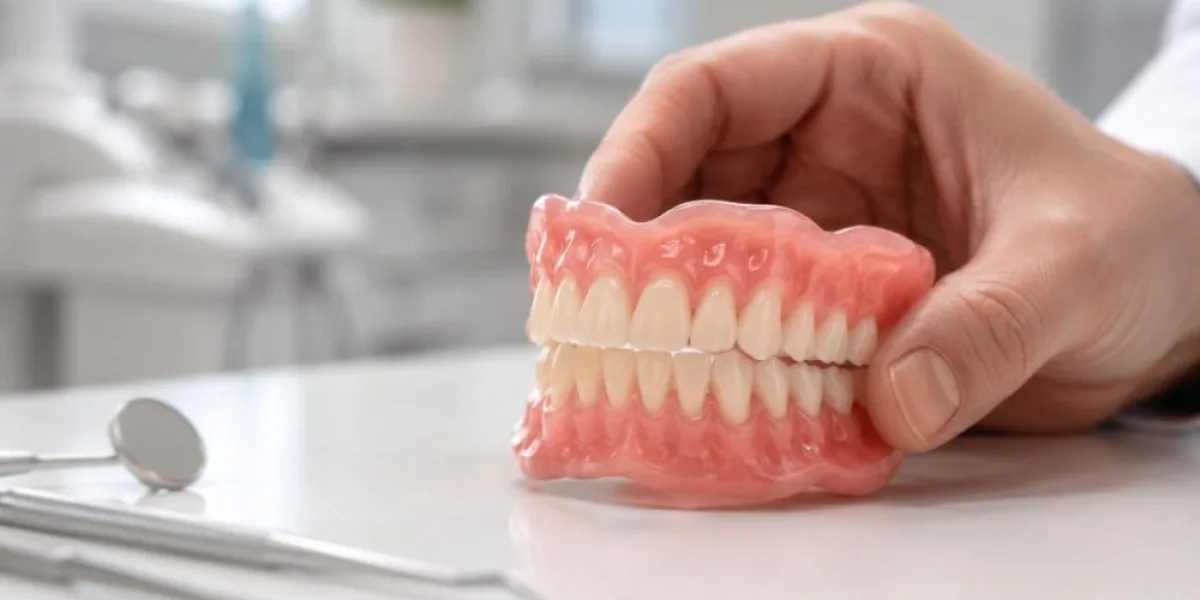
Losing all your natural teeth can affect more than your smile. It may change how you eat, speak and feel about your appearance. Full dentures offer a way to replace missing teeth and restore important everyday functions. If you are considering full dentures in Leicester, understanding the treatment process, available materials and ongoing care can help you feel more confident about your decision.
For new patients, getting dentures involves several stages, from an initial consultation to impressions, fitting and follow-up adjustments. Every mouth is different, so the right approach depends on your oral health, jaw shape and personal preferences. A qualified dental professional can assess your needs and explain which options may be appropriate for you.
What Are Full Dentures?
Full dentures, also called complete dentures, are removable dental appliances designed to replace all the teeth in the upper jaw, lower jaw or both. They usually consist of artificial teeth attached to a base that rests against the gums. The design is customised to your mouth to help restore your smile and support activities such as eating and speaking.
Full dentures may be recommended when all the teeth in an arch are missing or need to be removed because they cannot be maintained. Upper and lower dentures can differ in stability because the shape of the jaw and the amount of supporting tissue vary. Your dental professional will assess these factors before recommending a suitable design and explaining what you can realistically expect from treatment.
How the Full Denture Fitting Process Works
Getting full dentures usually involves several appointments. The first visit allows your dental professional to examine your mouth, discuss your medical and dental history, and understand your expectations. They may check the condition of your gums, the shape of your jaw and whether any remaining teeth require treatment before dentures can be made.
Impressions or digital scans may then be taken to record the shape of your mouth. Measurements help establish how your upper and lower jaws meet and where the replacement teeth should sit. Depending on the treatment plan, you may attend a trial appointment to assess the appearance, bite and comfort before the final dentures are produced. Once fitted, further reviews may be needed to address pressure points or other concerns.
Immediate Dentures and Conventional Full Dentures
Patients who need teeth removed may be offered immediate dentures in suitable circumstances. These are prepared before the natural teeth are extracted and fitted soon afterwards, allowing replacement teeth to be available during the initial healing period. Your dentist will explain whether this option is appropriate based on your oral health and treatment needs.
Conventional dentures are generally made after the extraction sites have healed sufficiently. This can allow the dental professional to take account of changes in the gums and supporting tissues when designing the appliance. Healing times vary, and the most suitable approach depends on your circumstances. Immediate dentures may require adjustments, relining or replacement as your mouth changes during recovery, so discuss the expected follow-up care before treatment begins.
Choosing the Right Material for Full Dentures
Acrylic is a commonly used material for full dentures. It can be shaped to suit the patient's mouth and designed with artificial teeth that complement their facial features. The thickness, colour and arrangement of the teeth can influence comfort and appearance, so it is worth discussing your preferences during the planning stage.
Your dental professional may explain different design options, including ways to improve support or comfort where appropriate. Not every material or modification suits every patient, and the choice should be based on clinical suitability rather than appearance alone. Ask how the proposed dentures will be maintained, whether adjustments are included in the treatment plan and what to do if the fit changes over time.
What to Expect When Wearing New Full Dentures
It is normal for new dentures to feel unfamiliar at first. You may notice changes in speech, increased saliva or some difficulty eating while you adjust. These experiences often improve with practice, although the adjustment period differs between individuals. Following your provider's instructions can help you become accustomed to wearing your dentures more comfortably.
Start eating with softer foods where advised and cut food into manageable pieces. Chewing slowly and evenly on both sides may help improve stability. You can also practise speaking aloud to become more comfortable with pronunciation. Some initial tenderness can occur, but significant or persistent pain should not be ignored. Contact your dental professional if the dentures rub, move excessively or make everyday activities difficult.
How to Care for Full Dentures
Daily cleaning is important for maintaining your dentures and supporting good oral health. Remove food debris and clean the appliance using a denture brush and products recommended for its material. Avoid hot water, which may distort some dentures, and do not use abrasive household cleaners unless your dental professional specifically advises you to do so.
Your gums, tongue and any remaining natural teeth also need regular care. Follow the advice you receive about removing your dentures at night and storing them safely when they are not being worn. Attend routine dental reviews even if you no longer have natural teeth, as your mouth can change over time. Professional assessments can identify fit problems and help determine whether an adjustment, reline or replacement is needed.
Finding Full Denture Services in Leicester
When comparing local denture providers, consider their qualifications, experience and the support they offer throughout treatment. Look for clear explanations of the fitting stages, available denture options and follow-up arrangements. Patient reviews may help you understand other people's experiences, but they should be considered alongside professional credentials and the suitability of the proposed treatment for your needs.
If you are researching dentures leicester, prepare questions before arranging a consultation. Ask how your oral health will be assessed, how many appointments may be required and whether trial fittings and adjustments are part of the treatment plan. It is also sensible to request a written breakdown of the treatment arrangements and any applicable charges before proceeding. Comparing these details can help you choose a provider who communicates clearly and offers appropriate aftercare.
When Do Full Dentures Need Adjusting or Replacing?
Even well-made dentures may need attention as your mouth changes. Signs that your dentures require assessment include looseness, persistent rubbing, difficulty chewing or changes in the way the upper and lower teeth meet. These problems do not always mean that a new set is necessary. In some cases, a professional adjustment or reline may improve the fit.
Dentures also experience wear over time. If the appliance becomes damaged, repeatedly uncomfortable or difficult to use, arrange an appointment to discuss your options. Do not attempt to reshape or repair it with household glue or other improvised materials. Your dental professional can assess the cause of the problem and recommend an appropriate solution based on the condition of the dentures and your oral health.
Conclusion
Full dentures can help replace missing teeth, support everyday activities and restore confidence in your smile. Choosing the right option involves understanding the fitting process, considering the available materials and preparing for an adjustment period. The treatment plan may also differ depending on whether you need immediate dentures following extractions or conventional dentures after healing.
If you are considering full dentures in Leicester, arrange a consultation with a qualified dental professional to discuss your needs and expectations. Ask about fitting appointments, maintenance, follow-up adjustments and the overall treatment arrangements. With a personalised approach and consistent care, you can make an informed decision about full dentures and learn how to manage them comfortably in daily life.


